Reading RPLS is free for the whole profession. Members post, reply, and get the members-only rooms.

Notifications
Clear all
Strictly Surveying
69
Posts
34
Users
0
Reactions
3,708
Views

Topic starter
Translate
▼
English
Spanish
French
German
Italian
Portuguese
Russian
Chinese
Japanese
Korean
Arabic
Hindi
Dutch
Polish
Turkish
Vietnamese
Thai
Swedish
Danish
Finnish
Norwegian
Czech
Hungarian
Romanian
Greek
Hebrew
Indonesian
Malay
Ukrainian
Bulgarian
Croatian
Slovak
Slovenian
Serbian
Lithuanian
Latvian
Estonian
Hi all,
We have one crew that for the past several months has consistently come back with traverses that have double the allowable angular error.
The instrument is a Topcon ES 100 series, only a few months old and freshly calibrated. The crew chief has over 30 years experience and the rodman has nearly as much. We've spent considerable resources checking every conceivable component that could be causing this. Daily rod plumb checks, swapped instrument out with other instruments known to generate good closures, replaced tripod legs with brand new, verified plummet is calibrated. basically everything we could think of. The distances check great, and the sets direct/reverse resolve within allowable tolerances, and yet still the overall traverse loop will be significantly over allowable angular on a regular basis.
What are we missing?
Dan
Posted : August 11, 2017 11:04 am

Translate
▼
English
Spanish
French
German
Italian
Portuguese
Russian
Chinese
Japanese
Korean
Arabic
Hindi
Dutch
Polish
Turkish
Vietnamese
Thai
Swedish
Danish
Finnish
Norwegian
Czech
Hungarian
Romanian
Greek
Hebrew
Indonesian
Malay
Ukrainian
Bulgarian
Croatian
Slovak
Slovenian
Serbian
Lithuanian
Latvian
Estonian
That happened to me in the early 80s. Drove us nuts. Went to the DMV to update my drivers license. During the eye test the lady says 'My God, you dont drive do you?'..
Mystery solved..
Posted : August 11, 2017 11:14 am

Translate
▼
English
Spanish
French
German
Italian
Portuguese
Russian
Chinese
Japanese
Korean
Arabic
Hindi
Dutch
Polish
Turkish
Vietnamese
Thai
Swedish
Danish
Finnish
Norwegian
Czech
Hungarian
Romanian
Greek
Hebrew
Indonesian
Malay
Ukrainian
Bulgarian
Croatian
Slovak
Slovenian
Serbian
Lithuanian
Latvian
Estonian
I had a dealer, once, tell me a similar story:
He had a customer that was having trouble getting a good closure. He went with the crew, to see if he could observe anything that might be causing the bad closure. The crew was taking turns, turning angles. Sometimes, they would even stand on opposite sides of the gun and one would take the backsight while the other would turn to the foresight.
Is this something new? You say they both have about 30 years experience; is it just the last few months? Can you give the ES100 to another crew with out any problems?
It's been my experience that the tripod and the ground it's setting on is the biggest problem I have, when measuring angles.
Posted : August 11, 2017 11:22 am

Translate
▼
English
Spanish
French
German
Italian
Portuguese
Russian
Chinese
Japanese
Korean
Arabic
Hindi
Dutch
Polish
Turkish
Vietnamese
Thai
Swedish
Danish
Finnish
Norwegian
Czech
Hungarian
Romanian
Greek
Hebrew
Indonesian
Malay
Ukrainian
Bulgarian
Croatian
Slovak
Slovenian
Serbian
Lithuanian
Latvian
Estonian
Just curious - what's your standard for acceptable angular error on your closure?
Posted : August 11, 2017 11:23 am

Translate
▼
English
Spanish
French
German
Italian
Portuguese
Russian
Chinese
Japanese
Korean
Arabic
Hindi
Dutch
Polish
Turkish
Vietnamese
Thai
Swedish
Danish
Finnish
Norwegian
Czech
Hungarian
Romanian
Greek
Hebrew
Indonesian
Malay
Ukrainian
Bulgarian
Croatian
Slovak
Slovenian
Serbian
Lithuanian
Latvian
Estonian
Robot?
Had a chief who used to "correct" the robot crosshairs for every shot until I explained the robot knew where the crosshairs were in relation to the target.
His traverses were crap.
Posted : August 11, 2017 11:26 am

Translate
▼
English
Spanish
French
German
Italian
Portuguese
Russian
Chinese
Japanese
Korean
Arabic
Hindi
Dutch
Polish
Turkish
Vietnamese
Thai
Swedish
Danish
Finnish
Norwegian
Czech
Hungarian
Romanian
Greek
Hebrew
Indonesian
Malay
Ukrainian
Bulgarian
Croatian
Slovak
Slovenian
Serbian
Lithuanian
Latvian
Estonian
It sounds like you have narrowed it down to The Crew.
There seems to be something wrong with their technique or work habits.
Maybe move one of them to another crew for a few days... just don't imply either of them is not up to snuff.
Posted : August 11, 2017 11:35 am

Translate
▼
English
Spanish
French
German
Italian
Portuguese
Russian
Chinese
Japanese
Korean
Arabic
Hindi
Dutch
Polish
Turkish
Vietnamese
Thai
Swedish
Danish
Finnish
Norwegian
Czech
Hungarian
Romanian
Greek
Hebrew
Indonesian
Malay
Ukrainian
Bulgarian
Croatian
Slovak
Slovenian
Serbian
Lithuanian
Latvian
Estonian
Did you swap the DC , maybe try to just book the angles no DC , one time we had a new type.of stake out file linked in our DC and it gave us some odd numbers.
Posted : August 11, 2017 11:41 am

Translate
▼
English
Spanish
French
German
Italian
Portuguese
Russian
Chinese
Japanese
Korean
Arabic
Hindi
Dutch
Polish
Turkish
Vietnamese
Thai
Swedish
Danish
Finnish
Norwegian
Czech
Hungarian
Romanian
Greek
Hebrew
Indonesian
Malay
Ukrainian
Bulgarian
Croatian
Slovak
Slovenian
Serbian
Lithuanian
Latvian
Estonian
Dan Henry, post: 441460, member: 10756 wrote: Hi all,
We have one crew that for the past several months has consistently come back with traverses that have double the allowable angular error.
The instrument is a Topcon ES 100 series, only a few months old and freshly calibrated. The crew chief has over 30 years experience and the rodman has nearly as much. We've spent considerable resources checking every conceivable component that could be causing this. Daily rod plumb checks, swapped instrument out with other instruments known to generate good closures, replaced tripod legs with brand new, verified plummet is calibrated. basically everything we could think of. The distances check great, and the sets direct/reverse resolve within allowable tolerances, and yet still the overall traverse loop will be significantly over allowable angular on a regular basis.
What are we missing?
Dan
Try closing the horizon with direct/reverse readings and see if this helps and see what the error is to 360?ø.
Posted : August 11, 2017 11:43 am

Translate
▼
English
Spanish
French
German
Italian
Portuguese
Russian
Chinese
Japanese
Korean
Arabic
Hindi
Dutch
Polish
Turkish
Vietnamese
Thai
Swedish
Danish
Finnish
Norwegian
Czech
Hungarian
Romanian
Greek
Hebrew
Indonesian
Malay
Ukrainian
Bulgarian
Croatian
Slovak
Slovenian
Serbian
Lithuanian
Latvian
Estonian
In the old days at the big firm I used to take a crew out on Saturday. Same equipment, same instrument operator, yet my closures we always so much better than the regular crew during the week. The only difference was they held the rod upright and as vertical as they could get it, while I held the rod upside down so the target was just above the point, minimizing any error in holding the rod vertical.
Posted : August 11, 2017 12:08 pm
Topic starter
Translate
▼
English
Spanish
French
German
Italian
Portuguese
Russian
Chinese
Japanese
Korean
Arabic
Hindi
Dutch
Polish
Turkish
Vietnamese
Thai
Swedish
Danish
Finnish
Norwegian
Czech
Hungarian
Romanian
Greek
Hebrew
Indonesian
Malay
Ukrainian
Bulgarian
Croatian
Slovak
Slovenian
Serbian
Lithuanian
Latvian
Estonian
Good thoughts, all.
We wondered about a vision change. I don't see how the crew chief (who is the instrument man) could get the direct reverse sets ( shot in BD, FD, FR, BR order) to agree if that were the case. And the set data does agree. The direct angle and indirect angle agree within a few seconds in most instances.
Acceptable closure varies depending on the class of survey, but generally for Class A stuff, it's the square root of the number of angles turned times 20, in seconds. Class B is same, but 25, C is same but 30.
It's not a robot. Topcon ES series manual TS. We sent him out with a second instrument recently, and he made the same setups with both instruments, and hand wrote the numbers in a field book for the second instrument. The second instrument's angles were within 5-10 seconds of the ES and matched what was stored in the data collector.
We've even tried running with the vertical compensator turned off, or on and it doesn't seem to change the outcome. It's on by default.
We're stumped since this particular crew have been working together for probably 20 years, they've done hundreds of traverses with acceptable results, and we can't figure out what's changed.
I haven't tried closing the horizon with this gun yet, but will.
We just had another crew close a 1:60000 traverse with his ES series, so we're going to swap instruments between these 2 crews and keep looking for the answer.
Dan
Posted : August 11, 2017 12:17 pm

Translate
▼
English
Spanish
French
German
Italian
Portuguese
Russian
Chinese
Japanese
Korean
Arabic
Hindi
Dutch
Polish
Turkish
Vietnamese
Thai
Swedish
Danish
Finnish
Norwegian
Czech
Hungarian
Romanian
Greek
Hebrew
Indonesian
Malay
Ukrainian
Bulgarian
Croatian
Slovak
Slovenian
Serbian
Lithuanian
Latvian
Estonian
Parallax with the instrument's optics?
Might be a combination of aging eyes and this particular instrument's optics.
Just a wag.
Easiest way I can think of to test would be to swap instruments with a different crew.
Just because I'm paranoid, doesn't mean they aren't out to get me.
Posted : August 11, 2017 12:22 pm

Translate
▼
English
Spanish
French
German
Italian
Portuguese
Russian
Chinese
Japanese
Korean
Arabic
Hindi
Dutch
Polish
Turkish
Vietnamese
Thai
Swedish
Danish
Finnish
Norwegian
Czech
Hungarian
Romanian
Greek
Hebrew
Indonesian
Malay
Ukrainian
Bulgarian
Croatian
Slovak
Slovenian
Serbian
Lithuanian
Latvian
Estonian
Any tribrachs getting checked/ calibrated at the same time?
Posted : August 11, 2017 12:50 pm

Translate
▼
English
Spanish
French
German
Italian
Portuguese
Russian
Chinese
Japanese
Korean
Arabic
Hindi
Dutch
Polish
Turkish
Vietnamese
Thai
Swedish
Danish
Finnish
Norwegian
Czech
Hungarian
Romanian
Greek
Hebrew
Indonesian
Malay
Ukrainian
Bulgarian
Croatian
Slovak
Slovenian
Serbian
Lithuanian
Latvian
Estonian
A couple of questions, are your backsights and foresights using a tribrach and tripod? Any chance you have a prisim with a bad offset in the mix? Your not trying to correct for curvature both with the gun and the data collector? PPM set correctly? Although that probably wouldn't affect your closure. Some kind of scale factor turned on?
Posted : August 11, 2017 1:08 pm
Translate
▼
English
Spanish
French
German
Italian
Portuguese
Russian
Chinese
Japanese
Korean
Arabic
Hindi
Dutch
Polish
Turkish
Vietnamese
Thai
Swedish
Danish
Finnish
Norwegian
Czech
Hungarian
Romanian
Greek
Hebrew
Indonesian
Malay
Ukrainian
Bulgarian
Croatian
Slovak
Slovenian
Serbian
Lithuanian
Latvian
Estonian
Sometimes things just don't work like they should.
I recall a brand-spanking-new TS that would perform some very good traverse work...as long as there was no great difference in elevation between the BS and FS. Took us a long time to "contain" the factors that produced unacceptable data.
Long story short we sent it back, had the barrel tilt sensor replace...had it looked at and calibrated a number of times. It still wouldn't do right if you backsighted something on a tall hill and foresighted something down in a hole. The outfit that sold it to us blamed everything from operator error, tripods, tribrachs, etc. We eliminated every source we could.
The best indicator was that ANY crew that used it in that manner returned some sloppy results. We eventually just lived with it.
Posted : August 11, 2017 1:18 pm
Translate
▼
English
Spanish
French
German
Italian
Portuguese
Russian
Chinese
Japanese
Korean
Arabic
Hindi
Dutch
Polish
Turkish
Vietnamese
Thai
Swedish
Danish
Finnish
Norwegian
Czech
Hungarian
Romanian
Greek
Hebrew
Indonesian
Malay
Ukrainian
Bulgarian
Croatian
Slovak
Slovenian
Serbian
Lithuanian
Latvian
Estonian
Are you manually checking the angular closure using N-2*180 or relying on software?
Posted : August 11, 2017 1:22 pm

Translate
▼
English
Spanish
French
German
Italian
Portuguese
Russian
Chinese
Japanese
Korean
Arabic
Hindi
Dutch
Polish
Turkish
Vietnamese
Thai
Swedish
Danish
Finnish
Norwegian
Czech
Hungarian
Romanian
Greek
Hebrew
Indonesian
Malay
Ukrainian
Bulgarian
Croatian
Slovak
Slovenian
Serbian
Lithuanian
Latvian
Estonian
First things that come to mind, C&R corrections, temp and pressure not set right, prism offset not right. If you backsight a point flop 180?ø, is the instrument reading 180?ø? I know you said instrument was recently calibrated, but was it shipped off for calibration and the shipped back? It's possible for it to get out of whack through shipping.
Posted : August 11, 2017 1:57 pm

Translate
▼
English
Spanish
French
German
Italian
Portuguese
Russian
Chinese
Japanese
Korean
Arabic
Hindi
Dutch
Polish
Turkish
Vietnamese
Thai
Swedish
Danish
Finnish
Norwegian
Czech
Hungarian
Romanian
Greek
Hebrew
Indonesian
Malay
Ukrainian
Bulgarian
Croatian
Slovak
Slovenian
Serbian
Lithuanian
Latvian
Estonian
We have an ES series as well. You must collimate the gun once a week. It won't hold like the old topcons.
Me. "What's the difference?"
T.C. Carroll "It's the difference between right and wrong!"
Posted : August 11, 2017 1:58 pm

Translate
▼
English
Spanish
French
German
Italian
Portuguese
Russian
Chinese
Japanese
Korean
Arabic
Hindi
Dutch
Polish
Turkish
Vietnamese
Thai
Swedish
Danish
Finnish
Norwegian
Czech
Hungarian
Romanian
Greek
Hebrew
Indonesian
Malay
Ukrainian
Bulgarian
Croatian
Slovak
Slovenian
Serbian
Lithuanian
Latvian
Estonian
I've had two things that have caused me to produce bad angular closures over the years:
One is phasing. It's the eye's tendency to center of the brightest part of the pole. If part of the pole is shaded and part is bright, you'll tend to center on the bright part. This is particularly problematic in the winter when traversing East to West as the eye is constantly biasing to the south of center. Not likely to be the issue.
Second is a warped tribrach center. We were traversing with a tribrach with a prism and candy cane on the prism. We thought we were doing so well using a tripod instead of a prism pole and bipod. We ended up with a bad angular closure around a hundred acre tract. Checked everything, levels on the gun and on the poles and the tribrach. Everything checked great. Finally noticed that the candy cane was very slightly canted caused by the tribrach center. It was only a half hundredth or so, but it was always in the same direction and it caused an accumulation over 20 or thirty setups. That one took a while to figure out.
Posted : August 11, 2017 2:26 pm

Translate
▼
English
Spanish
French
German
Italian
Portuguese
Russian
Chinese
Japanese
Korean
Arabic
Hindi
Dutch
Polish
Turkish
Vietnamese
Thai
Swedish
Danish
Finnish
Norwegian
Czech
Hungarian
Romanian
Greek
Hebrew
Indonesian
Malay
Ukrainian
Bulgarian
Croatian
Slovak
Slovenian
Serbian
Lithuanian
Latvian
Estonian
Dan have you PC with over 30 experience have his eyes checked. You can also set some targets out by the office of have some natural
point you can turn angles to. Have several people turn the angle and see what's going on. I know that my eyes are getting a little bad.
I have a floater in my right eye and it does bother my ability to turn good angles if I am not very careful. Case in point; Astro on Polaris,
turned 8 D&R and could not get below 1.65 seconds s.e.. Tried 4 nights in a row till it came to me about the floater. Used the left eye
and got a s.e. of 0.48 seconds.
JOHN NOLTON
Posted : August 11, 2017 2:27 pm

Translate
▼
English
Spanish
French
German
Italian
Portuguese
Russian
Chinese
Japanese
Korean
Arabic
Hindi
Dutch
Polish
Turkish
Vietnamese
Thai
Swedish
Danish
Finnish
Norwegian
Czech
Hungarian
Romanian
Greek
Hebrew
Indonesian
Malay
Ukrainian
Bulgarian
Croatian
Slovak
Slovenian
Serbian
Lithuanian
Latvian
Estonian
So...it's Friday...
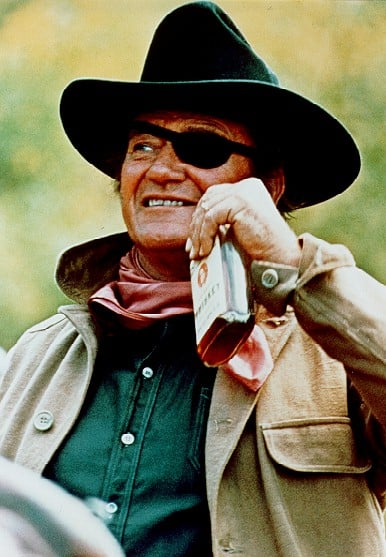
It could be ONE of TWO things
Posted : August 11, 2017 2:38 pm
Page 1 / 4
Next