Reading RPLS is free for the whole profession. Members post, reply, and get the members-only rooms.

Notifications
Clear all

Topic starter
Translate
▼
English
Spanish
French
German
Italian
Portuguese
Russian
Chinese
Japanese
Korean
Arabic
Hindi
Dutch
Polish
Turkish
Vietnamese
Thai
Swedish
Danish
Finnish
Norwegian
Czech
Hungarian
Romanian
Greek
Hebrew
Indonesian
Malay
Ukrainian
Bulgarian
Croatian
Slovak
Slovenian
Serbian
Lithuanian
Latvian
Estonian
No more futzing with mechanical pencils.
My original strategy was to sharpen a whole box in the office in our electric Panasonic sharpener. I never ran out of sharp pencils during the work week. Then a fellow surveyor gave me a little pocket sharpener that he got at CSDS. It works great! So generally I just sharpen three in the morning and put them in my vest pocket.
Recently I found another Panasonic electric sharpener at Goodwill for $3 so now I have one at home.
Posted : July 29, 2015 8:52 pm

Translate
▼
English
Spanish
French
German
Italian
Portuguese
Russian
Chinese
Japanese
Korean
Arabic
Hindi
Dutch
Polish
Turkish
Vietnamese
Thai
Swedish
Danish
Finnish
Norwegian
Czech
Hungarian
Romanian
Greek
Hebrew
Indonesian
Malay
Ukrainian
Bulgarian
Croatian
Slovak
Slovenian
Serbian
Lithuanian
Latvian
Estonian
I'm an old wooden pencil lover from way back. Somebody should get you one of these for Christmas..you seem like someone that could appreciate it.
[MEDIA=youtube]e72nZE2e9xw[/MEDIA]
Posted : July 29, 2015 9:00 pm

Translate
▼
English
Spanish
French
German
Italian
Portuguese
Russian
Chinese
Japanese
Korean
Arabic
Hindi
Dutch
Polish
Turkish
Vietnamese
Thai
Swedish
Danish
Finnish
Norwegian
Czech
Hungarian
Romanian
Greek
Hebrew
Indonesian
Malay
Ukrainian
Bulgarian
Croatian
Slovak
Slovenian
Serbian
Lithuanian
Latvian
Estonian
have you seen this guy's business? April fool's site?
http://www.huffingtonpost.com/2012/04/11/david-rees-how-to-sharpen-pencils_n_1418288.html
Posted : July 29, 2015 9:44 pm

Translate
▼
English
Spanish
French
German
Italian
Portuguese
Russian
Chinese
Japanese
Korean
Arabic
Hindi
Dutch
Polish
Turkish
Vietnamese
Thai
Swedish
Danish
Finnish
Norwegian
Czech
Hungarian
Romanian
Greek
Hebrew
Indonesian
Malay
Ukrainian
Bulgarian
Croatian
Slovak
Slovenian
Serbian
Lithuanian
Latvian
Estonian
Why didn't we think of those sooner?
Posted : July 30, 2015 4:07 pm

Translate
▼
English
Spanish
French
German
Italian
Portuguese
Russian
Chinese
Japanese
Korean
Arabic
Hindi
Dutch
Polish
Turkish
Vietnamese
Thai
Swedish
Danish
Finnish
Norwegian
Czech
Hungarian
Romanian
Greek
Hebrew
Indonesian
Malay
Ukrainian
Bulgarian
Croatian
Slovak
Slovenian
Serbian
Lithuanian
Latvian
Estonian
My little staedler is going on 10 years... 
Posted : July 30, 2015 6:28 pm

Translate
▼
English
Spanish
French
German
Italian
Portuguese
Russian
Chinese
Japanese
Korean
Arabic
Hindi
Dutch
Polish
Turkish
Vietnamese
Thai
Swedish
Danish
Finnish
Norwegian
Czech
Hungarian
Romanian
Greek
Hebrew
Indonesian
Malay
Ukrainian
Bulgarian
Croatian
Slovak
Slovenian
Serbian
Lithuanian
Latvian
Estonian
You want a number 2 pencil that will blow the Dixon Ticonderoga #2 away, for quality and strength of lead?
Mikado Black Warrior. Once you try them, you'll never go back.
Posted : July 30, 2015 6:57 pm

Translate
▼
English
Spanish
French
German
Italian
Portuguese
Russian
Chinese
Japanese
Korean
Arabic
Hindi
Dutch
Polish
Turkish
Vietnamese
Thai
Swedish
Danish
Finnish
Norwegian
Czech
Hungarian
Romanian
Greek
Hebrew
Indonesian
Malay
Ukrainian
Bulgarian
Croatian
Slovak
Slovenian
Serbian
Lithuanian
Latvian
Estonian
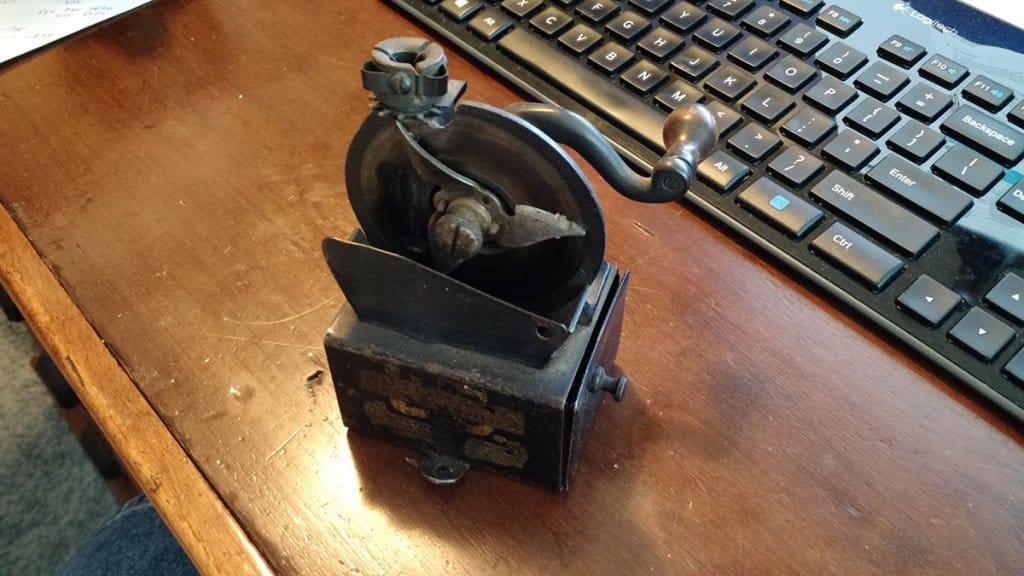
paden cash, post: 329613, member: 20 wrote: I'm an old wooden pencil lover from way back. Somebody should get you one of these for Christmas..
Here's my little bundle of pencil sharpener joy:
Like what we do here? Start your Membership or Donate
Need a new or refreshed website? Websites for Surveyors
Check out my new website at Five Point Web Solutions
Posted : July 31, 2015 9:21 am

Translate
▼
English
Spanish
French
German
Italian
Portuguese
Russian
Chinese
Japanese
Korean
Arabic
Hindi
Dutch
Polish
Turkish
Vietnamese
Thai
Swedish
Danish
Finnish
Norwegian
Czech
Hungarian
Romanian
Greek
Hebrew
Indonesian
Malay
Ukrainian
Bulgarian
Croatian
Slovak
Slovenian
Serbian
Lithuanian
Latvian
Estonian
I was a pencil fan. F hardness.
Then I found Clutch pencils with their own sharpener.
Then 0.5mm mechanical pencils.
I love your pencil sharpener Wendell.
I've a very modern version that the kids used to devour pencils in record time. Great entertainment for them ie.
What's a No 2?
We have hardness grades, F H's B's etc.
A No 2 has other meanings here, and then there's the joke about a pencil and a suffering carpenter.
I need enlightenment!
Posted : July 31, 2015 2:39 pm
Topic starter
Translate
▼
English
Spanish
French
German
Italian
Portuguese
Russian
Chinese
Japanese
Korean
Arabic
Hindi
Dutch
Polish
Turkish
Vietnamese
Thai
Swedish
Danish
Finnish
Norwegian
Czech
Hungarian
Romanian
Greek
Hebrew
Indonesian
Malay
Ukrainian
Bulgarian
Croatian
Slovak
Slovenian
Serbian
Lithuanian
Latvian
Estonian
Drafting pencils and leads come in hardness grades like that, HB being the softest if I remember right.
In the U.S. standard wooden pencils are called No. 2 pencils, not sure why. Maybe the No. 1 was harder but I've never seen one. No. 2 pencils have a softer lead like HB.
Edit-upon further research, no. 2 is equivalent to HB (hard, black). No. 2-1/2 or 3 would be harder but not sure how they compare to 1H, 2H, etc. apparently r manufacturers aren't uniform the Germans tending harder and the Japanese tending softer.
Posted : July 31, 2015 2:43 pm

Translate
▼
English
Spanish
French
German
Italian
Portuguese
Russian
Chinese
Japanese
Korean
Arabic
Hindi
Dutch
Polish
Turkish
Vietnamese
Thai
Swedish
Danish
Finnish
Norwegian
Czech
Hungarian
Romanian
Greek
Hebrew
Indonesian
Malay
Ukrainian
Bulgarian
Croatian
Slovak
Slovenian
Serbian
Lithuanian
Latvian
Estonian
Posted : July 31, 2015 2:53 pm

Translate
▼
English
Spanish
French
German
Italian
Portuguese
Russian
Chinese
Japanese
Korean
Arabic
Hindi
Dutch
Polish
Turkish
Vietnamese
Thai
Swedish
Danish
Finnish
Norwegian
Czech
Hungarian
Romanian
Greek
Hebrew
Indonesian
Malay
Ukrainian
Bulgarian
Croatian
Slovak
Slovenian
Serbian
Lithuanian
Latvian
Estonian
Dan B. Robison, post: 329840, member: 34 wrote: http://www.thealmightyguru.com/Pointless/PencilGrades.html
DDSM
Pencil hardness from harder to softer = 9H, 8H, 7H, ... 2H, H, F, HB, B, 2B, 3B, ... 8B, 9xxB
"H" is "hardness", "B" is "Blackness" I guess "F" indicates it can sharpen to a fine point (just learned that one today). I found that http://pencils.com/hb-graphite-grading-scale/&apos ;">here
Edit:
Oops...Robinson beat me to it....story of my life.
Posted : July 31, 2015 3:00 pm
Topic starter
Translate
▼
English
Spanish
French
German
Italian
Portuguese
Russian
Chinese
Japanese
Korean
Arabic
Hindi
Dutch
Polish
Turkish
Vietnamese
Thai
Swedish
Danish
Finnish
Norwegian
Czech
Hungarian
Romanian
Greek
Hebrew
Indonesian
Malay
Ukrainian
Bulgarian
Croatian
Slovak
Slovenian
Serbian
Lithuanian
Latvian
Estonian
You can use 9H for a concrete scribe too.
Posted : July 31, 2015 3:04 pm

Translate
▼
English
Spanish
French
German
Italian
Portuguese
Russian
Chinese
Japanese
Korean
Arabic
Hindi
Dutch
Polish
Turkish
Vietnamese
Thai
Swedish
Danish
Finnish
Norwegian
Czech
Hungarian
Romanian
Greek
Hebrew
Indonesian
Malay
Ukrainian
Bulgarian
Croatian
Slovak
Slovenian
Serbian
Lithuanian
Latvian
Estonian
It's a little hard to make out at this resolution, but my Dixon Ticonderoga #2 also is marked HB.
Posted : July 31, 2015 3:11 pm

Translate
▼
English
Spanish
French
German
Italian
Portuguese
Russian
Chinese
Japanese
Korean
Arabic
Hindi
Dutch
Polish
Turkish
Vietnamese
Thai
Swedish
Danish
Finnish
Norwegian
Czech
Hungarian
Romanian
Greek
Hebrew
Indonesian
Malay
Ukrainian
Bulgarian
Croatian
Slovak
Slovenian
Serbian
Lithuanian
Latvian
Estonian
No 2 or HB pencils are great to have laying around the office, but if I carry them I usually break the point. That's why a mechanical pencil is handier to carry.
Of course for field books, the old rule was 4H, so that you left an impression in the paper that could be deciphered if the graphite smeared or someone tried to erase. Ink would have been desirable as better proof that no erasure had occurred, but in the old days ink was anything but handy in the field and tended to bleed if the paper got wet. I think those were the reasons pencils were recommended.
But now I've switched to gel pens for most uses except scratch paper work. They don't bleed, give better contrast for the old eyes, and can't be erased.
Posted : July 31, 2015 3:13 pm
Topic starter
Translate
▼
English
Spanish
French
German
Italian
Portuguese
Russian
Chinese
Japanese
Korean
Arabic
Hindi
Dutch
Polish
Turkish
Vietnamese
Thai
Swedish
Danish
Finnish
Norwegian
Czech
Hungarian
Romanian
Greek
Hebrew
Indonesian
Malay
Ukrainian
Bulgarian
Croatian
Slovak
Slovenian
Serbian
Lithuanian
Latvian
Estonian
I erase. I think the old prohibition is a surveyor's old wive's tale.
My Sanford pencils have a 2 and HB on them. I never thought to look before Warren's post above.
Posted : July 31, 2015 4:12 pm
Translate
▼
English
Spanish
French
German
Italian
Portuguese
Russian
Chinese
Japanese
Korean
Arabic
Hindi
Dutch
Polish
Turkish
Vietnamese
Thai
Swedish
Danish
Finnish
Norwegian
Czech
Hungarian
Romanian
Greek
Hebrew
Indonesian
Malay
Ukrainian
Bulgarian
Croatian
Slovak
Slovenian
Serbian
Lithuanian
Latvian
Estonian
Dave Karoly, post: 329838, member: 94 wrote: In the U.S. standard wooden pencils are called No. 2
Thanks Dave
I was a bit confused as the link above to a store mentioned No 2 then also hardness.
Hardness is variable here too. Not all HB pencils are same.
I suspect cheap imports.
Then there's the wood they're made from. Only way to sharpen some was a sharp pocket knife. I used a scalpel blade in my younger days. (Paden's sharpener would work on any timber)
Standard part of a surveyors kit. (scalpel and spare blades)
Caused raised eyebrows when purchasing at local chemist (aka Drug store)
I found F to be a happy median for field book input.
Soft enough and yet not high wearing. Also good on damp paper.
Posted : July 31, 2015 4:37 pm

Translate
▼
English
Spanish
French
German
Italian
Portuguese
Russian
Chinese
Japanese
Korean
Arabic
Hindi
Dutch
Polish
Turkish
Vietnamese
Thai
Swedish
Danish
Finnish
Norwegian
Czech
Hungarian
Romanian
Greek
Hebrew
Indonesian
Malay
Ukrainian
Bulgarian
Croatian
Slovak
Slovenian
Serbian
Lithuanian
Latvian
Estonian
Dave Karoly, post: 329611, member: 94 wrote: No more futzing with mechanical pencils.
My original strategy was to sharpen a whole box in the office in our electric Panasonic sharpener. I never ran out of sharp pencils during the work week. Then a fellow surveyor gave me a little pocket sharpener that he got at CSDS. It works great! So generally I just sharpen three in the morning and put them in my vest pocket.
Recently I found another Panasonic electric sharpener at Goodwill for $3 so now I have one at home.
Haven't used a wooden pencil in 35 years!
Posted : July 31, 2015 4:50 pm
Translate
▼
English
Spanish
French
German
Italian
Portuguese
Russian
Chinese
Japanese
Korean
Arabic
Hindi
Dutch
Polish
Turkish
Vietnamese
Thai
Swedish
Danish
Finnish
Norwegian
Czech
Hungarian
Romanian
Greek
Hebrew
Indonesian
Malay
Ukrainian
Bulgarian
Croatian
Slovak
Slovenian
Serbian
Lithuanian
Latvian
Estonian
Dave Karoly, post: 329851, member: 94 wrote: I erase. I think the old prohibition is a surveyor's old wive's tale.
I had "No erasures in the lab book/field book" drilled into me pretty well in college 1968-72. You lost points for erasing. It was portrayed not just as bad practice, but so serious it would destroy all confidence in your data.
Davis, Foote, & Kelly 1968 says "numerical data should not be erased" in italics for emphasis, but "portions of sketches and explanatory notes may be erased if there is a good reason."
Not sure if any BOR has a policy or if anybody has ever lost in court because of it.
Posted : July 31, 2015 6:04 pm
Translate
▼
English
Spanish
French
German
Italian
Portuguese
Russian
Chinese
Japanese
Korean
Arabic
Hindi
Dutch
Polish
Turkish
Vietnamese
Thai
Swedish
Danish
Finnish
Norwegian
Czech
Hungarian
Romanian
Greek
Hebrew
Indonesian
Malay
Ukrainian
Bulgarian
Croatian
Slovak
Slovenian
Serbian
Lithuanian
Latvian
Estonian
Wolf & Ghilani 2006 is still preaching the old messages, at least a 3H pencil ... ink may smear ... no erasures permitted.
----
The edit timeout is now 15 minutes, which seems kinda short if you get interrupted while looking something up to add to a post.
Posted : July 31, 2015 6:25 pm
Topic starter
Translate
▼
English
Spanish
French
German
Italian
Portuguese
Russian
Chinese
Japanese
Korean
Arabic
Hindi
Dutch
Polish
Turkish
Vietnamese
Thai
Swedish
Danish
Finnish
Norwegian
Czech
Hungarian
Romanian
Greek
Hebrew
Indonesian
Malay
Ukrainian
Bulgarian
Croatian
Slovak
Slovenian
Serbian
Lithuanian
Latvian
Estonian
I use standard forms I print on card stock. True no. 2 is prone to smearing.
Bid round stick ball point pens work good too and the ink is waterproof.
Posted : July 31, 2015 7:28 pm
Page 1 / 2
Next