Reading RPLS is free for the whole profession. Members post, reply, and get the members-only rooms.

Notifications
Clear all
Strictly Surveying
20
Posts
13
Users
0
Reactions
1,448
Views

Topic starter
Translate
▼
English
Spanish
French
German
Italian
Portuguese
Russian
Chinese
Japanese
Korean
Arabic
Hindi
Dutch
Polish
Turkish
Vietnamese
Thai
Swedish
Danish
Finnish
Norwegian
Czech
Hungarian
Romanian
Greek
Hebrew
Indonesian
Malay
Ukrainian
Bulgarian
Croatian
Slovak
Slovenian
Serbian
Lithuanian
Latvian
Estonian
I think the easiest way to fix a small typo on an aluminum cap is to ping it out and restamp it.
I don't know of a good way to "erase" a larger part of the cap.
In the past, I've filed some and as long as you have a file card handy it goes OK. The flie loads up so quickly that it's slow going.
Belts load up, grinder wheels load up,
Anyone have experience with wire wheels??
What method do you use to correct the occasional incorrectly stamped monument?
Posted : July 24, 2017 6:29 pm

Translate
▼
English
Spanish
French
German
Italian
Portuguese
Russian
Chinese
Japanese
Korean
Arabic
Hindi
Dutch
Polish
Turkish
Vietnamese
Thai
Swedish
Danish
Finnish
Norwegian
Czech
Hungarian
Romanian
Greek
Hebrew
Indonesian
Malay
Ukrainian
Bulgarian
Croatian
Slovak
Slovenian
Serbian
Lithuanian
Latvian
Estonian
I've used a die grinder with a carbide bit. It works, but you have to be careful not to dig too deep. The bits are brittle, so you also have to be careful not to break it.
Posted : July 24, 2017 6:35 pm

Translate
▼
English
Spanish
French
German
Italian
Portuguese
Russian
Chinese
Japanese
Korean
Arabic
Hindi
Dutch
Polish
Turkish
Vietnamese
Thai
Swedish
Danish
Finnish
Norwegian
Czech
Hungarian
Romanian
Greek
Hebrew
Indonesian
Malay
Ukrainian
Bulgarian
Croatian
Slovak
Slovenian
Serbian
Lithuanian
Latvian
Estonian
Fill it with aluminum solder, grind and restamp or reset cap (a lot of work)
just don't start a fire.
Practice on a scrap piece of aluminum first see how it shake out
i have a small battery powered Li IOn dremil tool i use
great for sharping kitchen knives or any fine edge tool.
Pete
Posted : July 24, 2017 7:30 pm

Translate
▼
English
Spanish
French
German
Italian
Portuguese
Russian
Chinese
Japanese
Korean
Arabic
Hindi
Dutch
Polish
Turkish
Vietnamese
Thai
Swedish
Danish
Finnish
Norwegian
Czech
Hungarian
Romanian
Greek
Hebrew
Indonesian
Malay
Ukrainian
Bulgarian
Croatian
Slovak
Slovenian
Serbian
Lithuanian
Latvian
Estonian
JKinAK, post: 438465, member: 7219 wrote: I think the easiest way to fix a small typo on an aluminum cap is to ping it out and restamp it.
I don't know of a good way to "erase" a larger part of the cap.
In the past, I've filed some and as long as you have a file card handy it goes OK. The flie loads up so quickly that it's slow going.
Belts load up, grinder wheels load up,
Anyone have experience with wire wheels??What method do you use to correct the occasional incorrectly stamped monument?
As a point of practice, I find that it works best to lay out the lettering to be stamped on a tablet or cap in ink to get spacing approximately right and then stamp it. The other point is to be fastidious about keeping all stamps in order in their box so there is little need to hunt for the right number or letter among a jumble. That tells you nothing about how to recover from a misfired stamping, but does tend to virtually eliminate misfires in the first place, which accomplishes the same end result.
Posted : July 24, 2017 8:18 pm

Translate
▼
English
Spanish
French
German
Italian
Portuguese
Russian
Chinese
Japanese
Korean
Arabic
Hindi
Dutch
Polish
Turkish
Vietnamese
Thai
Swedish
Danish
Finnish
Norwegian
Czech
Hungarian
Romanian
Greek
Hebrew
Indonesian
Malay
Ukrainian
Bulgarian
Croatian
Slovak
Slovenian
Serbian
Lithuanian
Latvian
Estonian
If we are talking about aluminum, the metal is fairly soft and has a relatively low melting point. I've only pinged out the occasional flub and learned long ago to stencil everything before reaching for the dies. I haven't attempted it but I'd be inclined to heat the cap and take a smooth face hammer to the surface while the metal is most malleable.
Just because I'm paranoid, doesn't mean they aren't out to get me.
Posted : July 24, 2017 8:39 pm
Translate
▼
English
Spanish
French
German
Italian
Portuguese
Russian
Chinese
Japanese
Korean
Arabic
Hindi
Dutch
Polish
Turkish
Vietnamese
Thai
Swedish
Danish
Finnish
Norwegian
Czech
Hungarian
Romanian
Greek
Hebrew
Indonesian
Malay
Ukrainian
Bulgarian
Croatian
Slovak
Slovenian
Serbian
Lithuanian
Latvian
Estonian
Williwaw, post: 438489, member: 7066 wrote: I haven't attempted it but I'd be inclined to heat the cap and take a smooth face hammer to the surface while the metal is most malleable.
The challenging thing about this approach is that the temperature spread between solid and molten is quite narrow for most aluminum alloys, and the metal doesn't change color appreciably as it makes the transition. It's very easy to go from rock solid to amorphous globby mass with no indication that you're about to do so.
Posted : July 24, 2017 8:53 pm
Translate
▼
English
Spanish
French
German
Italian
Portuguese
Russian
Chinese
Japanese
Korean
Arabic
Hindi
Dutch
Polish
Turkish
Vietnamese
Thai
Swedish
Danish
Finnish
Norwegian
Czech
Hungarian
Romanian
Greek
Hebrew
Indonesian
Malay
Ukrainian
Bulgarian
Croatian
Slovak
Slovenian
Serbian
Lithuanian
Latvian
Estonian
I was thinking more along the lines of a small propane flame applied carefully locally, something along the lines of a propane torch used to sweat joints on copper pipes, but I agree too much heat would quickly lead to a molten blob. If you can keep the molten blob part localized, you're problem is solved.
Just because I'm paranoid, doesn't mean they aren't out to get me.
Posted : July 25, 2017 12:16 am

Translate
▼
English
Spanish
French
German
Italian
Portuguese
Russian
Chinese
Japanese
Korean
Arabic
Hindi
Dutch
Polish
Turkish
Vietnamese
Thai
Swedish
Danish
Finnish
Norwegian
Czech
Hungarian
Romanian
Greek
Hebrew
Indonesian
Malay
Ukrainian
Bulgarian
Croatian
Slovak
Slovenian
Serbian
Lithuanian
Latvian
Estonian
JKinAK, post: 438465, member: 7219 wrote: In the past, I've filed some and as long as you have a file card handy it goes OK. The flie loads up so quickly that it's slow going.
High-school metalwork class memories: chalk the file beforehand?
Posted : July 25, 2017 12:22 am

Translate
▼
English
Spanish
French
German
Italian
Portuguese
Russian
Chinese
Japanese
Korean
Arabic
Hindi
Dutch
Polish
Turkish
Vietnamese
Thai
Swedish
Danish
Finnish
Norwegian
Czech
Hungarian
Romanian
Greek
Hebrew
Indonesian
Malay
Ukrainian
Bulgarian
Croatian
Slovak
Slovenian
Serbian
Lithuanian
Latvian
Estonian
Isn't it cheaper in the long run to just start over with a new cap?
Posted : July 25, 2017 10:31 am

Translate
▼
English
Spanish
French
German
Italian
Portuguese
Russian
Chinese
Japanese
Korean
Arabic
Hindi
Dutch
Polish
Turkish
Vietnamese
Thai
Swedish
Danish
Finnish
Norwegian
Czech
Hungarian
Romanian
Greek
Hebrew
Indonesian
Malay
Ukrainian
Bulgarian
Croatian
Slovak
Slovenian
Serbian
Lithuanian
Latvian
Estonian
JBStahl, post: 438570, member: 427 wrote: Isn't it cheaper in the long run to just start over with a new cap?
[SARCASM]Don't bother us with practicalities while we're coming up with imaginative (but time consuming) solutions!
We're surveyors, genetically wired to not factor in the value of time for non-billable tasks.[/SARCASM]
Posted : July 25, 2017 11:25 am

Translate
▼
English
Spanish
French
German
Italian
Portuguese
Russian
Chinese
Japanese
Korean
Arabic
Hindi
Dutch
Polish
Turkish
Vietnamese
Thai
Swedish
Danish
Finnish
Norwegian
Czech
Hungarian
Romanian
Greek
Hebrew
Indonesian
Malay
Ukrainian
Bulgarian
Croatian
Slovak
Slovenian
Serbian
Lithuanian
Latvian
Estonian
eapls2708, post: 438574, member: 589 wrote: We're surveyors, genetically wired to not factor in the value of time for non-billable tasks.
I've started to forge my own iron pins; sure it's time consuming but that fancy store bought rebar is pretty pricey.
Posted : July 25, 2017 11:30 am
Translate
▼
English
Spanish
French
German
Italian
Portuguese
Russian
Chinese
Japanese
Korean
Arabic
Hindi
Dutch
Polish
Turkish
Vietnamese
Thai
Swedish
Danish
Finnish
Norwegian
Czech
Hungarian
Romanian
Greek
Hebrew
Indonesian
Malay
Ukrainian
Bulgarian
Croatian
Slovak
Slovenian
Serbian
Lithuanian
Latvian
Estonian
You're a model of self-reliance Mr. Fleming. Where do you get your iron? If it were me, I'd keep my eyes out for discarded tools along the highway and walk local RR tracks on the weekends to find loose spikes.
Posted : July 25, 2017 11:34 am

Translate
▼
English
Spanish
French
German
Italian
Portuguese
Russian
Chinese
Japanese
Korean
Arabic
Hindi
Dutch
Polish
Turkish
Vietnamese
Thai
Swedish
Danish
Finnish
Norwegian
Czech
Hungarian
Romanian
Greek
Hebrew
Indonesian
Malay
Ukrainian
Bulgarian
Croatian
Slovak
Slovenian
Serbian
Lithuanian
Latvian
Estonian
What's a forge without a foundry?
Posted : July 25, 2017 11:38 am
Translate
▼
English
Spanish
French
German
Italian
Portuguese
Russian
Chinese
Japanese
Korean
Arabic
Hindi
Dutch
Polish
Turkish
Vietnamese
Thai
Swedish
Danish
Finnish
Norwegian
Czech
Hungarian
Romanian
Greek
Hebrew
Indonesian
Malay
Ukrainian
Bulgarian
Croatian
Slovak
Slovenian
Serbian
Lithuanian
Latvian
Estonian
eapls2708, post: 438581, member: 589 wrote: walk local RR tracks on the weekends to find loose spikes.
I'm only supposed to collect the loose spikes? Uh oh. :scream:

Posted : July 25, 2017 11:38 am
Translate
▼
English
Spanish
French
German
Italian
Portuguese
Russian
Chinese
Japanese
Korean
Arabic
Hindi
Dutch
Polish
Turkish
Vietnamese
Thai
Swedish
Danish
Finnish
Norwegian
Czech
Hungarian
Romanian
Greek
Hebrew
Indonesian
Malay
Ukrainian
Bulgarian
Croatian
Slovak
Slovenian
Serbian
Lithuanian
Latvian
Estonian
Warren Smith, post: 438582, member: 9900 wrote: What's a forge without a foundry?
I've heard good things about the foundry https://en.wikipedia.org/wiki/Lostine,_Oregon&apos ;">here 😉
Posted : July 25, 2017 11:41 am

Translate
▼
English
Spanish
French
German
Italian
Portuguese
Russian
Chinese
Japanese
Korean
Arabic
Hindi
Dutch
Polish
Turkish
Vietnamese
Thai
Swedish
Danish
Finnish
Norwegian
Czech
Hungarian
Romanian
Greek
Hebrew
Indonesian
Malay
Ukrainian
Bulgarian
Croatian
Slovak
Slovenian
Serbian
Lithuanian
Latvian
Estonian
Flap discs work better than hard wheels for aluminum. 60-grit is probably a good place to start.
If its not too deep, a Scotchbrite pad or bristle disc would work, but those wont fix any real gouges, just scuffs.
Posted : July 25, 2017 11:55 am

Translate
▼
English
Spanish
French
German
Italian
Portuguese
Russian
Chinese
Japanese
Korean
Arabic
Hindi
Dutch
Polish
Turkish
Vietnamese
Thai
Swedish
Danish
Finnish
Norwegian
Czech
Hungarian
Romanian
Greek
Hebrew
Indonesian
Malay
Ukrainian
Bulgarian
Croatian
Slovak
Slovenian
Serbian
Lithuanian
Latvian
Estonian
The only time I have good luck erasing an aluminum cap is when I misjudge the depth before placing the cap...
Posted : July 25, 2017 12:23 pm

Translate
▼
English
Spanish
French
German
Italian
Portuguese
Russian
Chinese
Japanese
Korean
Arabic
Hindi
Dutch
Polish
Turkish
Vietnamese
Thai
Swedish
Danish
Finnish
Norwegian
Czech
Hungarian
Romanian
Greek
Hebrew
Indonesian
Malay
Ukrainian
Bulgarian
Croatian
Slovak
Slovenian
Serbian
Lithuanian
Latvian
Estonian
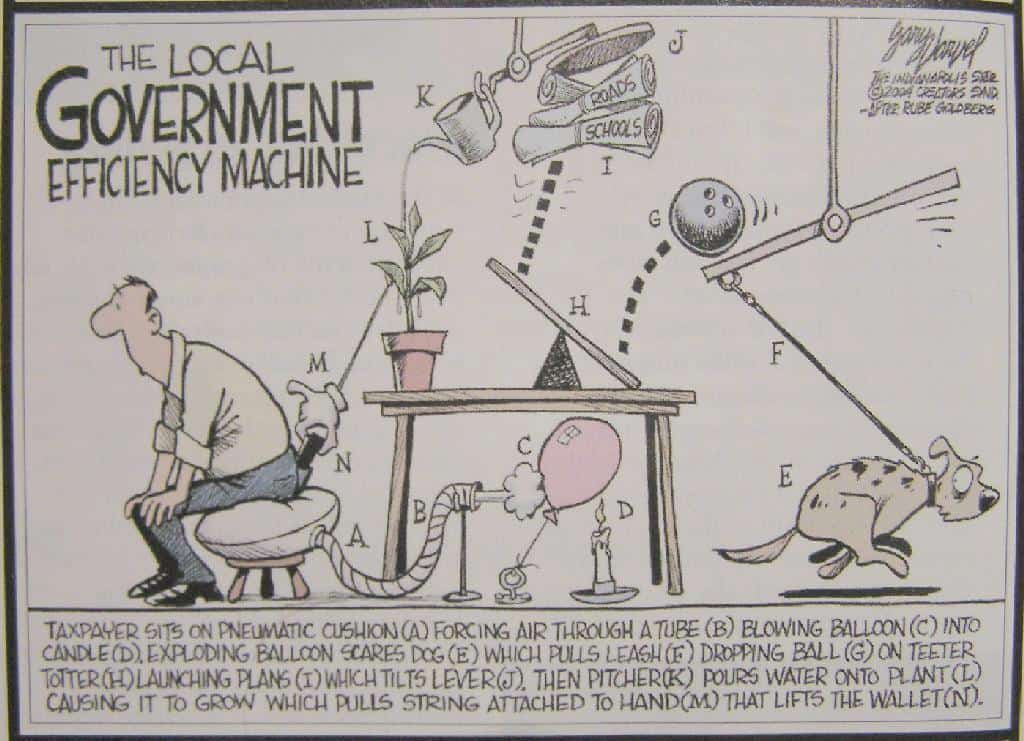
Rube Goldberg.
Posted : July 25, 2017 12:33 pm
Topic starter
Translate
▼
English
Spanish
French
German
Italian
Portuguese
Russian
Chinese
Japanese
Korean
Arabic
Hindi
Dutch
Polish
Turkish
Vietnamese
Thai
Swedish
Danish
Finnish
Norwegian
Czech
Hungarian
Romanian
Greek
Hebrew
Indonesian
Malay
Ukrainian
Bulgarian
Croatian
Slovak
Slovenian
Serbian
Lithuanian
Latvian
Estonian
JBStahl, post: 438570, member: 427 wrote: Isn't it cheaper in the long run to just start over with a new cap?
Definitely - when it's a cap on a rebar or IP.
Posted : July 25, 2017 1:41 pm
Translate
▼
English
Spanish
French
German
Italian
Portuguese
Russian
Chinese
Japanese
Korean
Arabic
Hindi
Dutch
Polish
Turkish
Vietnamese
Thai
Swedish
Danish
Finnish
Norwegian
Czech
Hungarian
Romanian
Greek
Hebrew
Indonesian
Malay
Ukrainian
Bulgarian
Croatian
Slovak
Slovenian
Serbian
Lithuanian
Latvian
Estonian
Brad Ott, post: 438595, member: 197 wrote: Rube Goldberg.
Posted : July 25, 2017 3:14 pm