Reading RPLS is free for the whole profession. Members post, reply, and get the members-only rooms.


Notifications
Clear all

Topic starter
Translate
▼
English
Spanish
French
German
Italian
Portuguese
Russian
Chinese
Japanese
Korean
Arabic
Hindi
Dutch
Polish
Turkish
Vietnamese
Thai
Swedish
Danish
Finnish
Norwegian
Czech
Hungarian
Romanian
Greek
Hebrew
Indonesian
Malay
Ukrainian
Bulgarian
Croatian
Slovak
Slovenian
Serbian
Lithuanian
Latvian
Estonian
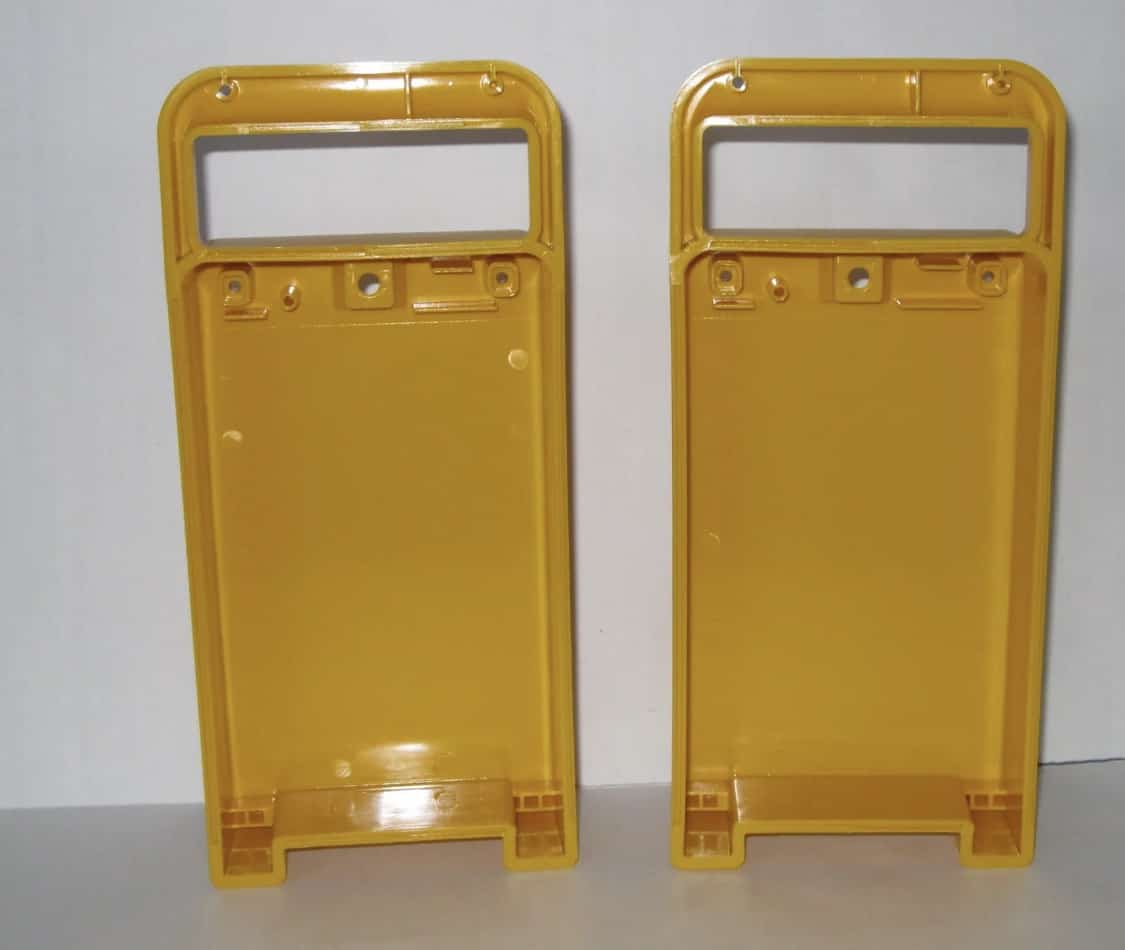
I am looking to get the inside dimensions of the Trimble cowbell battery case. Anyone know where I can get this information? I'd like to fit a 12v battery rather than buy a new one.
Thanks much
Posted : September 23, 2017 11:02 pm

Translate
▼
English
Spanish
French
German
Italian
Portuguese
Russian
Chinese
Japanese
Korean
Arabic
Hindi
Dutch
Polish
Turkish
Vietnamese
Thai
Swedish
Danish
Finnish
Norwegian
Czech
Hungarian
Romanian
Greek
Hebrew
Indonesian
Malay
Ukrainian
Bulgarian
Croatian
Slovak
Slovenian
Serbian
Lithuanian
Latvian
Estonian
Ricky1947:), post: 448094, member: 7440 wrote: I am looking to get the inside dimensions of the Trimble cowbell battery case. Anyone know where I can get this information? I'd like to fit a 12v battery rather than buy a new one.
Thanks much
We just had two rebuilt at batteries plus, I think it was +/- $32 each. Might be cheaper / easier then trying to fit something else in there?
Is this to run for static sessions with Trimble receivers / long EDM usage timeframes?
Posted : September 23, 2017 11:30 pm

Translate
▼
English
Spanish
French
German
Italian
Portuguese
Russian
Chinese
Japanese
Korean
Arabic
Hindi
Dutch
Polish
Turkish
Vietnamese
Thai
Swedish
Danish
Finnish
Norwegian
Czech
Hungarian
Romanian
Greek
Hebrew
Indonesian
Malay
Ukrainian
Bulgarian
Croatian
Slovak
Slovenian
Serbian
Lithuanian
Latvian
Estonian
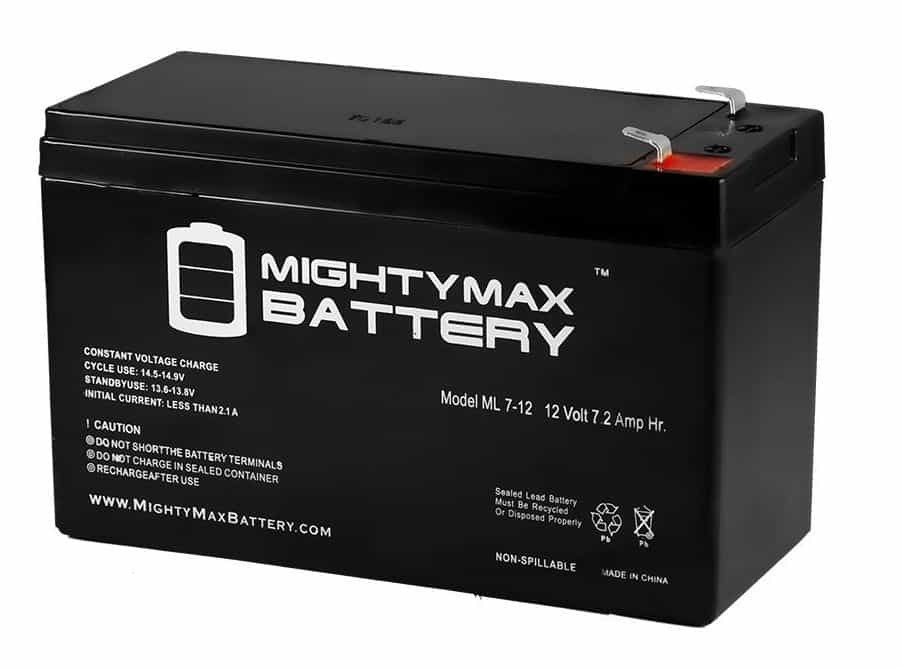
The cowbell takes a standard 7.2v SLA battery, the kind typically used in emergency lighting systems. There are one or two rubber pieces inside that pad out the battery to fit the case.
Posted : September 24, 2017 12:39 am

Translate
▼
English
Spanish
French
German
Italian
Portuguese
Russian
Chinese
Japanese
Korean
Arabic
Hindi
Dutch
Polish
Turkish
Vietnamese
Thai
Swedish
Danish
Finnish
Norwegian
Czech
Hungarian
Romanian
Greek
Hebrew
Indonesian
Malay
Ukrainian
Bulgarian
Croatian
Slovak
Slovenian
Serbian
Lithuanian
Latvian
Estonian
Jim Frame, post: 448097, member: 10 wrote: The cowbell takes a standard 7.2v SLA battery, the kind typically used in emergency lighting systems. There are one or two rubber pieces inside that pad out the battery to fit the case.
According to the battery pictured, that should read 12V 7.2Ah. That being said, if this is for GPS/GNSS receivers (and not including base external radio transmitters), the Trimble "clone" units that we use have internal "camcorder" type batteries that are 7.4V and the highest capacity ones that we have are 3.4Ah (the stock ones are 2.5Ah), so on that basis and assuming that the external power port can handle sub 12V, re-jigging a cowbell maybe could be done with LiPo, etc, configured for 7.4V, not 12V. (We formerly used these UPS type 12V 7.2Ah batteries to power a RTK base receiver + 4W external radio + solar but had continuous problems so now just use a small-car-12V-wet-cell-battery).
Posted : September 24, 2017 1:25 am
Translate
▼
English
Spanish
French
German
Italian
Portuguese
Russian
Chinese
Japanese
Korean
Arabic
Hindi
Dutch
Polish
Turkish
Vietnamese
Thai
Swedish
Danish
Finnish
Norwegian
Czech
Hungarian
Romanian
Greek
Hebrew
Indonesian
Malay
Ukrainian
Bulgarian
Croatian
Slovak
Slovenian
Serbian
Lithuanian
Latvian
Estonian
Richard Imrie, post: 448098, member: 11256 wrote: According to the battery pictured, that should read 12V 7.2Ah.
Yep, I typed that in a hurry and messed it up. 12v 7.2ah is correct. And I wouldn't use a cowbell to power an RTK base, either -- they were designed to power receivers, not transmitters.
Posted : September 24, 2017 7:57 am

Translate
▼
English
Spanish
French
German
Italian
Portuguese
Russian
Chinese
Japanese
Korean
Arabic
Hindi
Dutch
Polish
Turkish
Vietnamese
Thai
Swedish
Danish
Finnish
Norwegian
Czech
Hungarian
Romanian
Greek
Hebrew
Indonesian
Malay
Ukrainian
Bulgarian
Croatian
Slovak
Slovenian
Serbian
Lithuanian
Latvian
Estonian
My cowbell battery contained an Interstate brand that looked almost exactly like the picture above. It's easy to replace.
There are some variations in the sealed lead-acid battery construction. Supposedly the ones marked Deep Cycle should last for more discharge-recharge cycles than the ones intended for emergency light standby use where they expect to only see a handful of discharges over a lifetime of several years. There are also ones intended for uninterruptible power units where they can deliver high load currents for a short time, but those also may not last as many cycles.
I damaged my battery by running a session to exhaustion in freezing weather. Freezing weather is ok so long as you don't let it run completely down, but a discharged battery freezes and messes up the internal plates. I replaced it with a larger one in a plywood box to have more capacity.
Posted : September 24, 2017 8:06 am

Translate
▼
English
Spanish
French
German
Italian
Portuguese
Russian
Chinese
Japanese
Korean
Arabic
Hindi
Dutch
Polish
Turkish
Vietnamese
Thai
Swedish
Danish
Finnish
Norwegian
Czech
Hungarian
Romanian
Greek
Hebrew
Indonesian
Malay
Ukrainian
Bulgarian
Croatian
Slovak
Slovenian
Serbian
Lithuanian
Latvian
Estonian
Those 12-volt 7-Ah (sometimes a bit higher Ah rating in same-size case) batteries are available with spade-type terminals either 3/16 (0.187) or 1/4 (0.250) inch wide.
Some manufacturers designate the 3/16-inch terminals as F1 and the 1/4-inch terminals as F2.
The Trimble assembly uses the 3/16-inch terminals, make sure you get the right one.
GB
Posted : September 24, 2017 9:47 am

Translate
▼
English
Spanish
French
German
Italian
Portuguese
Russian
Chinese
Japanese
Korean
Arabic
Hindi
Dutch
Polish
Turkish
Vietnamese
Thai
Swedish
Danish
Finnish
Norwegian
Czech
Hungarian
Romanian
Greek
Hebrew
Indonesian
Malay
Ukrainian
Bulgarian
Croatian
Slovak
Slovenian
Serbian
Lithuanian
Latvian
Estonian
Jim Frame, post: 448097, member: 10 wrote: The cowbell takes a standard 7.2v SLA battery, the kind typically used in emergency lighting systems. There are one or two rubber pieces inside that pad out the battery to fit the case.
Is that mighty max a Trimble original or an example replacement?
The "DO NOT CHARGE IN A SEALED CONTAINER" warning might be something to think about.
Posted : September 24, 2017 10:16 am
Translate
▼
English
Spanish
French
German
Italian
Portuguese
Russian
Chinese
Japanese
Korean
Arabic
Hindi
Dutch
Polish
Turkish
Vietnamese
Thai
Swedish
Danish
Finnish
Norwegian
Czech
Hungarian
Romanian
Greek
Hebrew
Indonesian
Malay
Ukrainian
Bulgarian
Croatian
Slovak
Slovenian
Serbian
Lithuanian
Latvian
Estonian
vern, post: 448125, member: 3436 wrote: The "DO NOT CHARGE IN A SEALED CONTAINER" warning might be something to think about.
I've put a variety of SLA batteries -- all aftermarket, mostly cheap Chinese -- in cowbell cases and haven't had a problem with hydrogen buildup. Maybe I've just been lucky, or maybe the Trimble chargers are slow enough that the batteries don't off-gas fast enough to exceed the case leakage rate.
Posted : September 24, 2017 10:21 am

Translate
▼
English
Spanish
French
German
Italian
Portuguese
Russian
Chinese
Japanese
Korean
Arabic
Hindi
Dutch
Polish
Turkish
Vietnamese
Thai
Swedish
Danish
Finnish
Norwegian
Czech
Hungarian
Romanian
Greek
Hebrew
Indonesian
Malay
Ukrainian
Bulgarian
Croatian
Slovak
Slovenian
Serbian
Lithuanian
Latvian
Estonian
Glenn Borkenhagen, post: 448123, member: 961 wrote: Those 12-volt 7-Ah (sometimes a bit higher Ah rating in same-size case) batteries are available with spade-type terminals either 3/16 (0.187) or 1/4 (0.250) inch wide.
Some manufacturers designate the 3/16-inch terminals as F1 and the 1/4-inch terminals as F2.
The Trimble assembly uses the 3/16-inch terminals, make sure you get the right one.
GB
When I re-celled the last few Cowbells for friends, I "updated" to 9AH batteries (Power Sonic Model PS-1290 F1). On several occasions over the years, I had to replace the 3/16 connectors in the Cowbells with 1/4 connectors because "they" had bought the wrong batteries. Not a big deal, but unnecessary if you pay attention. The 1/4 terminal Power Sonic batteries are Model PS-1290-F2 (which is what I have used in my homemade cases & applications).
I believe that Duracell makes some similar batteries as well as several others.
Good heads up Glenn.
Loyal
Posted : September 24, 2017 10:22 am

Translate
▼
English
Spanish
French
German
Italian
Portuguese
Russian
Chinese
Japanese
Korean
Arabic
Hindi
Dutch
Polish
Turkish
Vietnamese
Thai
Swedish
Danish
Finnish
Norwegian
Czech
Hungarian
Romanian
Greek
Hebrew
Indonesian
Malay
Ukrainian
Bulgarian
Croatian
Slovak
Slovenian
Serbian
Lithuanian
Latvian
Estonian
Jim Frame, post: 448116, member: 10 wrote: Yep, I typed that in a hurry and messed it up. 12v 7.2ah is correct. And I wouldn't use a cowbell to power an RTK base, either -- they were designed to power receivers, not transmitters.
Is this still an issue? It was my understanding the newer radios stopped transmitting at low volt conditions.
We've been running a used R8 3 set for a few years. My favorite configuration is internal radio with the antenna from the 450 radio. This goes all day at a few miles with no problems. It would seem to me that any damage would show up by now.
Posted : September 24, 2017 10:32 am
Topic starter
Translate
▼
English
Spanish
French
German
Italian
Portuguese
Russian
Chinese
Japanese
Korean
Arabic
Hindi
Dutch
Polish
Turkish
Vietnamese
Thai
Swedish
Danish
Finnish
Norwegian
Czech
Hungarian
Romanian
Greek
Hebrew
Indonesian
Malay
Ukrainian
Bulgarian
Croatian
Slovak
Slovenian
Serbian
Lithuanian
Latvian
Estonian
Jim Frame, post: 448116, member: 10 wrote: Yep, I typed that in a hurry and messed it up. 12v 7.2ah is correct. And I wouldn't use a cowbell to power an RTK base, either -- they were designed to power receivers, not transmitters.
I would be using it for static sessions and for an RTK base. You don't recommend them for RTK use only because of their power rating, correct? They just don't last as long?
Posted : September 24, 2017 11:22 am

Translate
▼
English
Spanish
French
German
Italian
Portuguese
Russian
Chinese
Japanese
Korean
Arabic
Hindi
Dutch
Polish
Turkish
Vietnamese
Thai
Swedish
Danish
Finnish
Norwegian
Czech
Hungarian
Romanian
Greek
Hebrew
Indonesian
Malay
Ukrainian
Bulgarian
Croatian
Slovak
Slovenian
Serbian
Lithuanian
Latvian
Estonian
thebionicman, post: 448129, member: 8136 wrote: Is this still an issue? It was my understanding the newer radios stopped transmitting at low volt conditions.
We've been running a used R8 3 set for a few years. My favorite configuration is internal radio with the antenna from the 450 radio. This goes all day at a few miles with no problems. It would seem to me that any damage would show up by now.
I run my R82's with a cowbell all day. The radio doesn't have a lot of power, but it's amazing how far it will reach. The R10s get a regular deep cycle motorcycle battery from interstate.
Posted : September 24, 2017 11:22 am
Translate
▼
English
Spanish
French
German
Italian
Portuguese
Russian
Chinese
Japanese
Korean
Arabic
Hindi
Dutch
Polish
Turkish
Vietnamese
Thai
Swedish
Danish
Finnish
Norwegian
Czech
Hungarian
Romanian
Greek
Hebrew
Indonesian
Malay
Ukrainian
Bulgarian
Croatian
Slovak
Slovenian
Serbian
Lithuanian
Latvian
Estonian
Ricky1947:), post: 448135, member: 7440 wrote: You don't recommend them for RTK use only because of their power rating, correct? They just don't last as long?
Yes, I was thinking of a 35-watt base radio, not the low-power versions. A 7ah battery won't run a big radio very long.
Posted : September 24, 2017 12:54 pm

Translate
▼
English
Spanish
French
German
Italian
Portuguese
Russian
Chinese
Japanese
Korean
Arabic
Hindi
Dutch
Polish
Turkish
Vietnamese
Thai
Swedish
Danish
Finnish
Norwegian
Czech
Hungarian
Romanian
Greek
Hebrew
Indonesian
Malay
Ukrainian
Bulgarian
Croatian
Slovak
Slovenian
Serbian
Lithuanian
Latvian
Estonian
We use those exact batteries, but we do not use "cowbell" container. We run a lot of all day sessions, especially when we are doing deformation surveys. We always have a pair of receivers running to provide strength to the network and to provide an external tie.
We buy trimble power cables that have ASE connectors on the end, and we put ASE cables on all of the batteries. We buy battery chargers that have both clips and ASE connectors. So, everything is interchangeable. Even our cell modem has that type of connector. And, I ran 12V power out to the pedestal I have as well. The nice thing about these is that once setup, there is no danger of reverse polarity, etc.

Western states cabling (www.wscable.com) makes power cables with the ASE connector, so all of our units have a cable.
Posted : September 25, 2017 6:29 am
Translate
▼
English
Spanish
French
German
Italian
Portuguese
Russian
Chinese
Japanese
Korean
Arabic
Hindi
Dutch
Polish
Turkish
Vietnamese
Thai
Swedish
Danish
Finnish
Norwegian
Czech
Hungarian
Romanian
Greek
Hebrew
Indonesian
Malay
Ukrainian
Bulgarian
Croatian
Slovak
Slovenian
Serbian
Lithuanian
Latvian
Estonian
John Hamilton, post: 448200, member: 640 wrote: We buy trimble power cables that have ASE connectors on the end, and we put ASE cables on all of the batteries.
I've setup most of my power solutions to use that connector as well. I buy https://www.amazon.com/NOCO-ISCC2-5-Way-Adapter-Connector/dp/B003L643KS/ref=sr_1_2?ie=UTF8&qid=1506345608&sr=8-2&keywords=sae+connector&apos ;">these and cut off the 5 pigtails to make up my cables:
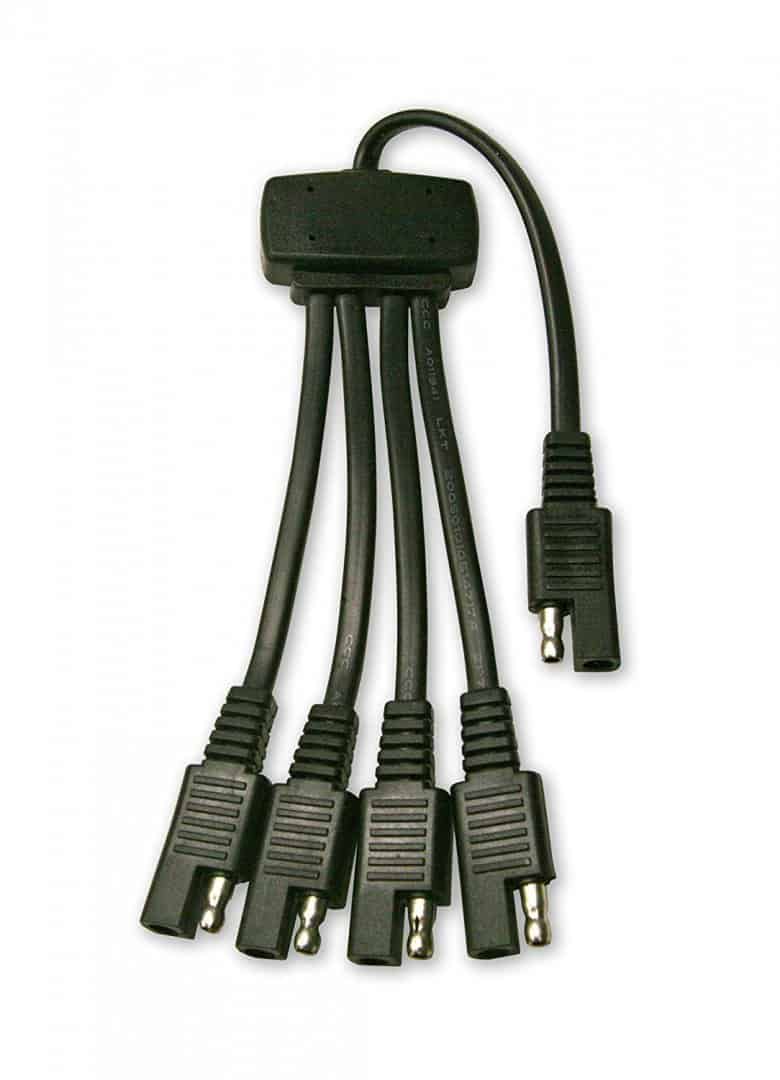
(The last time I bought some -- in August of last year -- they were $5.95, and now Amazon wants $10.62. I hate they way they monkey with prices.)
Posted : September 25, 2017 7:26 am

Translate
▼
English
Spanish
French
German
Italian
Portuguese
Russian
Chinese
Japanese
Korean
Arabic
Hindi
Dutch
Polish
Turkish
Vietnamese
Thai
Swedish
Danish
Finnish
Norwegian
Czech
Hungarian
Romanian
Greek
Hebrew
Indonesian
Malay
Ukrainian
Bulgarian
Croatian
Slovak
Slovenian
Serbian
Lithuanian
Latvian
Estonian
John Hamilton, post: 448200, member: 640 wrote: We use those exact batteries, but we do not use "cowbell" container. We run a lot of all day sessions, especially when we are doing deformation surveys. We always have a pair of receivers running to provide strength to the network and to provide an external tie.
We buy trimble power cables that have ASE connectors on the end, and we put ASE cables on all of the batteries. We buy battery chargers that have both clips and ASE connectors. So, everything is interchangeable. Even our cell modem has that type of connector. And, I ran 12V power out to the pedestal I have as well. The nice thing about these is that once setup, there is no danger of reverse polarity, etc.
Western states cabling (http://www.wscable.com&apos ;">www.wscable.com) makes power cables with the ASE connector, so all of our units have a cable.
Those connectors are "SAE" just in case someone is looking for one, they won't find any "ASE" ones 🙂
SHG
Posted : September 26, 2017 3:52 pm
Translate
▼
English
Spanish
French
German
Italian
Portuguese
Russian
Chinese
Japanese
Korean
Arabic
Hindi
Dutch
Polish
Turkish
Vietnamese
Thai
Swedish
Danish
Finnish
Norwegian
Czech
Hungarian
Romanian
Greek
Hebrew
Indonesian
Malay
Ukrainian
Bulgarian
Croatian
Slovak
Slovenian
Serbian
Lithuanian
Latvian
Estonian
Shelby...Thanks for pointing that out. I have had trouble finding these in the past because I keep calling them the wrong thing!
Posted : September 29, 2017 6:44 am

Translate
▼
English
Spanish
French
German
Italian
Portuguese
Russian
Chinese
Japanese
Korean
Arabic
Hindi
Dutch
Polish
Turkish
Vietnamese
Thai
Swedish
Danish
Finnish
Norwegian
Czech
Hungarian
Romanian
Greek
Hebrew
Indonesian
Malay
Ukrainian
Bulgarian
Croatian
Slovak
Slovenian
Serbian
Lithuanian
Latvian
Estonian
. . . that battery is also used in some sporting goods . . . game calls, etc. I recently saw them at a Gander Mountain going out of business sale for about $10.00 each.
Posted : September 29, 2017 7:13 am
Translate
▼
English
Spanish
French
German
Italian
Portuguese
Russian
Chinese
Japanese
Korean
Arabic
Hindi
Dutch
Polish
Turkish
Vietnamese
Thai
Swedish
Danish
Finnish
Norwegian
Czech
Hungarian
Romanian
Greek
Hebrew
Indonesian
Malay
Ukrainian
Bulgarian
Croatian
Slovak
Slovenian
Serbian
Lithuanian
Latvian
Estonian
Shelby H. Griggs PLS, post: 448384, member: 335 wrote: Those connectors are "SAE" just in case someone is looking for one, they won't find any "ASE" ones 🙂
SHG
SAE stands for Society of Automotive Engineers, or at least it used to until they changed their name to SAE International.
Some of us old geezers remember those (horrible IMHO) connectors on cars and trucks, mainly for things like brake lights, turn signals, and tail lights.
GB
Posted : September 29, 2017 7:59 am
Page 1 / 2
Next