Reading RPLS is free for the whole profession. Members post, reply, and get the members-only rooms.

Notifications
Clear all

Topic starter
Translate
▼
English
Spanish
French
German
Italian
Portuguese
Russian
Chinese
Japanese
Korean
Arabic
Hindi
Dutch
Polish
Turkish
Vietnamese
Thai
Swedish
Danish
Finnish
Norwegian
Czech
Hungarian
Romanian
Greek
Hebrew
Indonesian
Malay
Ukrainian
Bulgarian
Croatian
Slovak
Slovenian
Serbian
Lithuanian
Latvian
Estonian
At a fairly rural intersection, we are installing a roundabout with landscaping in its center; this roundabout happens to fall where a monumented section corner lies. All of the parties involved want to keep the existing monument if at all possible; however, the landscaping will add approximately two to three feet of soil where the monument is located. Since not everyone has arms three feet long to remove accumulated soil, etc. from such a hole, we are considering encasing with a 12"-18" PVC, concrete or ductile iron pipe and capping it with a suitable cover. We figure that this will at least help anyone who needs to remove soil manually from said monument hole, as the 8" diameter cases are a REAL pain to reach way down into.
Raising the monument is considered to be unsuitable as the surrounding landscaping soil stability would be highly questionable and would put the new monument at potential risk of migration.
I'm just putting this out there to see if anyone has any other suggestions for ensuring access to existing monuments that are on the deep side.
Thank you in advance.
The only superior evidence is that which you haven't yet found.
Posted : September 1, 2016 3:03 pm

Translate
▼
English
Spanish
French
German
Italian
Portuguese
Russian
Chinese
Japanese
Korean
Arabic
Hindi
Dutch
Polish
Turkish
Vietnamese
Thai
Swedish
Danish
Finnish
Norwegian
Czech
Hungarian
Romanian
Greek
Hebrew
Indonesian
Malay
Ukrainian
Bulgarian
Croatian
Slovak
Slovenian
Serbian
Lithuanian
Latvian
Estonian
SellmanA, post: 389195, member: 8564 wrote: we are considering encasing with a 12"-18"
I recently had to access an NGS mark that was 2 feet below grade in a new parking lot. The contractor used 12" PVC for the raise, and I found it too small to use easily. I was eventually able to read the mark stamping and verify that it appeared undisturbed, but at that depth 12" just doesn't provide enough room to clear debris and see the mark when setting a pole point on it. Going to 18" would help a lot.
Posted : September 1, 2016 3:14 pm

Translate
▼
English
Spanish
French
German
Italian
Portuguese
Russian
Chinese
Japanese
Korean
Arabic
Hindi
Dutch
Polish
Turkish
Vietnamese
Thai
Swedish
Danish
Finnish
Norwegian
Czech
Hungarian
Romanian
Greek
Hebrew
Indonesian
Malay
Ukrainian
Bulgarian
Croatian
Slovak
Slovenian
Serbian
Lithuanian
Latvian
Estonian
I have NO experience with Section corners or the area in which you work. Would a manhole cone with ring and cover work. Then a person could open the cover and actually get inside (if it is only 2-3 feet deep) to recover the monument. If it is in a landscaped roundabout that "should" work.
Andy
Posted : September 1, 2016 4:07 pm

Translate
▼
English
Spanish
French
German
Italian
Portuguese
Russian
Chinese
Japanese
Korean
Arabic
Hindi
Dutch
Polish
Turkish
Vietnamese
Thai
Swedish
Danish
Finnish
Norwegian
Czech
Hungarian
Romanian
Greek
Hebrew
Indonesian
Malay
Ukrainian
Bulgarian
Croatian
Slovak
Slovenian
Serbian
Lithuanian
Latvian
Estonian
A section of 12, 18 or 24" pvc with a cover wouldn't work as far as I am concerned. My arm is only 22" long and I am a normal sized guy. Reaching a point three feet down would be unnecessarily difficult and render the monument not readily accessible.
WAC 332-120 - Removal or destruction: The physical disturbance or covering of a monument such that the survey point is no longer visible or readily accessible.
Tell the landscape design team or the municipal engineer that unless they can provide an accessible monument their plan is a non-starter. Remind them that this point drives the location of several million dollars (at minimum) worth of real estate. I hope that before any more discussion that the proper forms are completed and approved by the DNR.
Sorry, but I get crabby about these things.
Posted : September 1, 2016 4:37 pm

Translate
▼
English
Spanish
French
German
Italian
Portuguese
Russian
Chinese
Japanese
Korean
Arabic
Hindi
Dutch
Polish
Turkish
Vietnamese
Thai
Swedish
Danish
Finnish
Norwegian
Czech
Hungarian
Romanian
Greek
Hebrew
Indonesian
Malay
Ukrainian
Bulgarian
Croatian
Slovak
Slovenian
Serbian
Lithuanian
Latvian
Estonian
Set a couple of reference monuments out of the way that could be easily located. The corner location could be calculated with a dist-dist intersection. I do it all the time for inaccessible monuments. Here in CO we have to file monument records to show that the reference monuments exist, and their location.
Posted : September 1, 2016 5:08 pm

Translate
▼
English
Spanish
French
German
Italian
Portuguese
Russian
Chinese
Japanese
Korean
Arabic
Hindi
Dutch
Polish
Turkish
Vietnamese
Thai
Swedish
Danish
Finnish
Norwegian
Czech
Hungarian
Romanian
Greek
Hebrew
Indonesian
Malay
Ukrainian
Bulgarian
Croatian
Slovak
Slovenian
Serbian
Lithuanian
Latvian
Estonian
I vote for keeping the monument where it is and telling the landscaping folks to go fly their kite somewhere else.
Posted : September 1, 2016 6:14 pm

Translate
▼
English
Spanish
French
German
Italian
Portuguese
Russian
Chinese
Japanese
Korean
Arabic
Hindi
Dutch
Polish
Turkish
Vietnamese
Thai
Swedish
Danish
Finnish
Norwegian
Czech
Hungarian
Romanian
Greek
Hebrew
Indonesian
Malay
Ukrainian
Bulgarian
Croatian
Slovak
Slovenian
Serbian
Lithuanian
Latvian
Estonian
My brother recently filed a recovery on one that is an example of how to NOT place them.
"AT BOTTOM OF 4 IN SEWER PIPE WITH SCREW CAP, SET VERTICALLY IN CONCRETE HEADWALL."
The cap is now missing.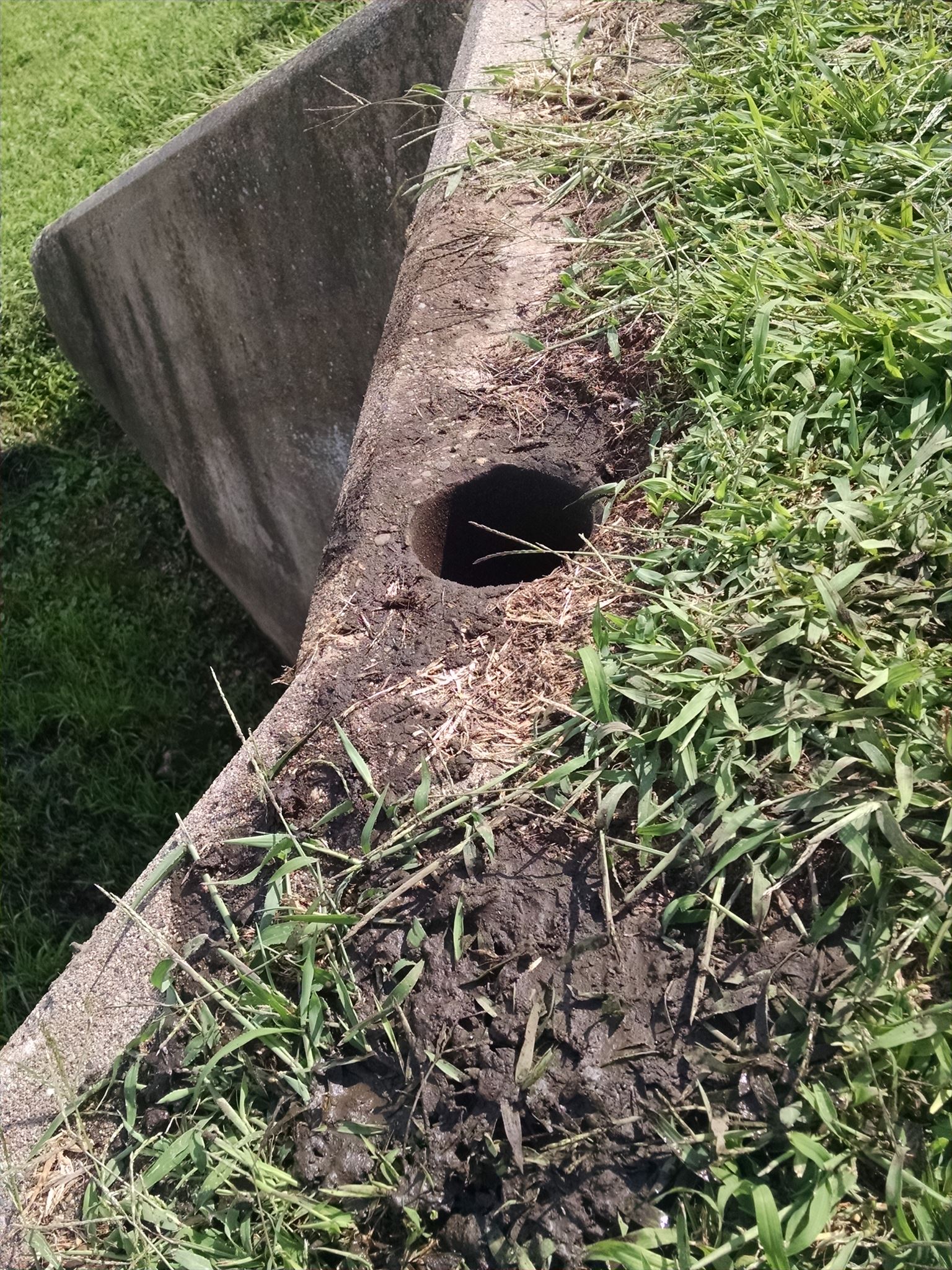
He cleaned out a foot of accumulated much to get this picture.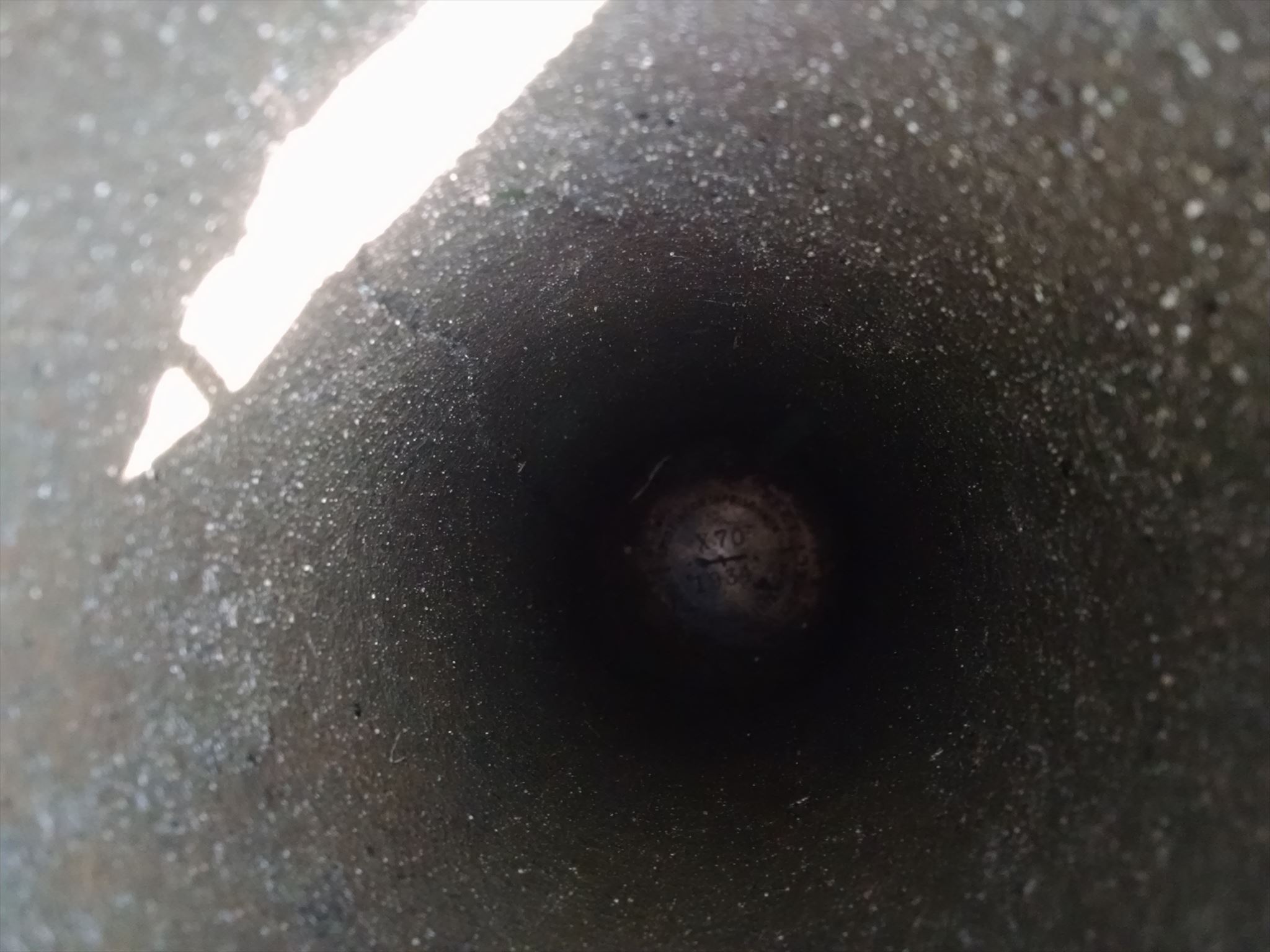
Posted : September 1, 2016 9:34 pm

Translate
▼
English
Spanish
French
German
Italian
Portuguese
Russian
Chinese
Japanese
Korean
Arabic
Hindi
Dutch
Polish
Turkish
Vietnamese
Thai
Swedish
Danish
Finnish
Norwegian
Czech
Hungarian
Romanian
Greek
Hebrew
Indonesian
Malay
Ukrainian
Bulgarian
Croatian
Slovak
Slovenian
Serbian
Lithuanian
Latvian
Estonian
I'm impressed that he got it so clean.
Hopefully he capped it in some way again.
Posted : September 2, 2016 12:40 am
Translate
▼
English
Spanish
French
German
Italian
Portuguese
Russian
Chinese
Japanese
Korean
Arabic
Hindi
Dutch
Polish
Turkish
Vietnamese
Thai
Swedish
Danish
Finnish
Norwegian
Czech
Hungarian
Romanian
Greek
Hebrew
Indonesian
Malay
Ukrainian
Bulgarian
Croatian
Slovak
Slovenian
Serbian
Lithuanian
Latvian
Estonian
By the way, what sort of case should I have used here? :p:D
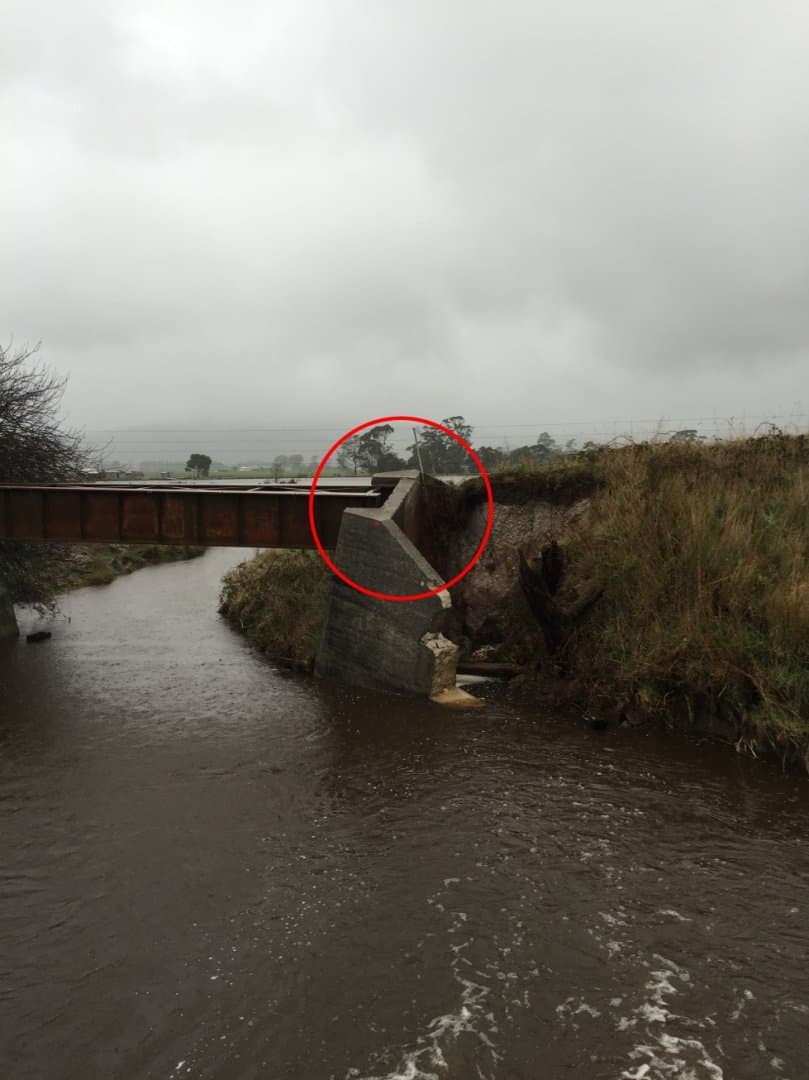
http://surcom.dpiw.tas.gov.au/surcom/jsp/site/mark_cont.jsp?cmd=Site%20Summary&id=22435&datum=5
http://surcom.dpiw.tas.gov.au/surcom/jsp/site/mark_cont.jsp?cmd=Show%20on%20Map&id=22435&datum=5
https://www.google.com.au/maps/@-41.2101409,147.7013269,297m/data=!3m1!1e3
Posted : September 2, 2016 12:49 am

Translate
▼
English
Spanish
French
German
Italian
Portuguese
Russian
Chinese
Japanese
Korean
Arabic
Hindi
Dutch
Polish
Turkish
Vietnamese
Thai
Swedish
Danish
Finnish
Norwegian
Czech
Hungarian
Romanian
Greek
Hebrew
Indonesian
Malay
Ukrainian
Bulgarian
Croatian
Slovak
Slovenian
Serbian
Lithuanian
Latvian
Estonian
Daniel Ralph, post: 389219, member: 8817 wrote: A section of 12, 18 or 24" pvc with a cover wouldn't work as far as I am concerned. My arm is only 22" long and I am a normal sized guy. Reaching a point three feet down would be unnecessarily difficult and render the monument not readily accessible.
WAC 332-120 - Removal or destruction: The physical disturbance or covering of a monument such that the survey point is no longer visible or readily accessible.
Tell the landscape design team or the municipal engineer that unless they can provide an accessible monument their plan is a non-starter. Remind them that this point drives the location of several million dollars (at minimum) worth of real estate. I hope that before any more discussion that the proper forms are completed and approved by the DNR.
Sorry, but I get crabby about these things.
I guess I'm not seeing the problem here. Since when are surveyors entitled to "readily accessible" monuments everywhere? I've scouted quite a few NGS marks, and most are buried. A monument covered with a foot or more of dirt is probably the best guarantee it won't be disturbed, wouldn't it be?
I believe if a PVC pipe of any size were placed over the mark to keep debris out, a piece of Scotch-Brite on the end of a steel rod in a portable drill would polish that thing up well enough to get a pole tip in the right place. If you actually needed to read what's on it, well, I thought that's what selfie sticks are for.:)
Posted : September 2, 2016 4:02 am

Translate
▼
English
Spanish
French
German
Italian
Portuguese
Russian
Chinese
Japanese
Korean
Arabic
Hindi
Dutch
Polish
Turkish
Vietnamese
Thai
Swedish
Danish
Finnish
Norwegian
Czech
Hungarian
Romanian
Greek
Hebrew
Indonesian
Malay
Ukrainian
Bulgarian
Croatian
Slovak
Slovenian
Serbian
Lithuanian
Latvian
Estonian
I am going to go with the BOTH theory. Make BOTH offsets, and a monument well. Things happen. As Seb posted above, things get moved, that nobody thought would move.
When tying a section corner, that falls in the road, these days, I ALSO set another monument, typically nearby, and just tie it. Monument gets destroyed, I can put it's coord back nicely, from my own private coordinate...
Posted : September 2, 2016 5:39 am

Translate
▼
English
Spanish
French
German
Italian
Portuguese
Russian
Chinese
Japanese
Korean
Arabic
Hindi
Dutch
Polish
Turkish
Vietnamese
Thai
Swedish
Danish
Finnish
Norwegian
Czech
Hungarian
Romanian
Greek
Hebrew
Indonesian
Malay
Ukrainian
Bulgarian
Croatian
Slovak
Slovenian
Serbian
Lithuanian
Latvian
Estonian
Place a PVC collar around the old monument and fill it with sand to surface. Place a new monument at surface over top of the old. Also set 4 references in the new curb line arrayed around the circle. Detail your work in an LCR.
Posted : September 2, 2016 6:25 am

Translate
▼
English
Spanish
French
German
Italian
Portuguese
Russian
Chinese
Japanese
Korean
Arabic
Hindi
Dutch
Polish
Turkish
Vietnamese
Thai
Swedish
Danish
Finnish
Norwegian
Czech
Hungarian
Romanian
Greek
Hebrew
Indonesian
Malay
Ukrainian
Bulgarian
Croatian
Slovak
Slovenian
Serbian
Lithuanian
Latvian
Estonian
I don't understand why it can't be raised. Unstable soil? Use a longer monument.
Posted : September 2, 2016 7:21 am

Translate
▼
English
Spanish
French
German
Italian
Portuguese
Russian
Chinese
Japanese
Korean
Arabic
Hindi
Dutch
Polish
Turkish
Vietnamese
Thai
Swedish
Danish
Finnish
Norwegian
Czech
Hungarian
Romanian
Greek
Hebrew
Indonesian
Malay
Ukrainian
Bulgarian
Croatian
Slovak
Slovenian
Serbian
Lithuanian
Latvian
Estonian
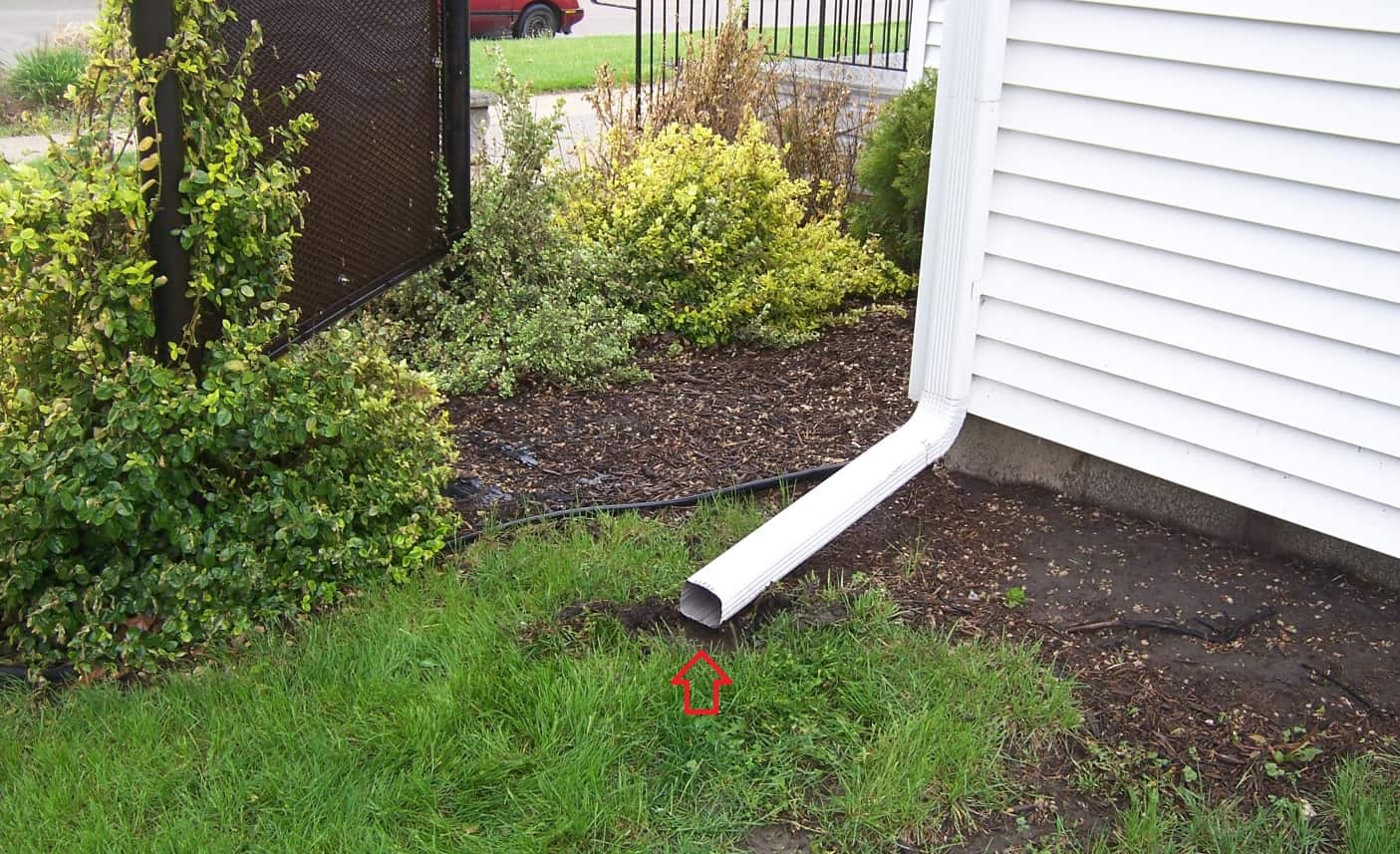
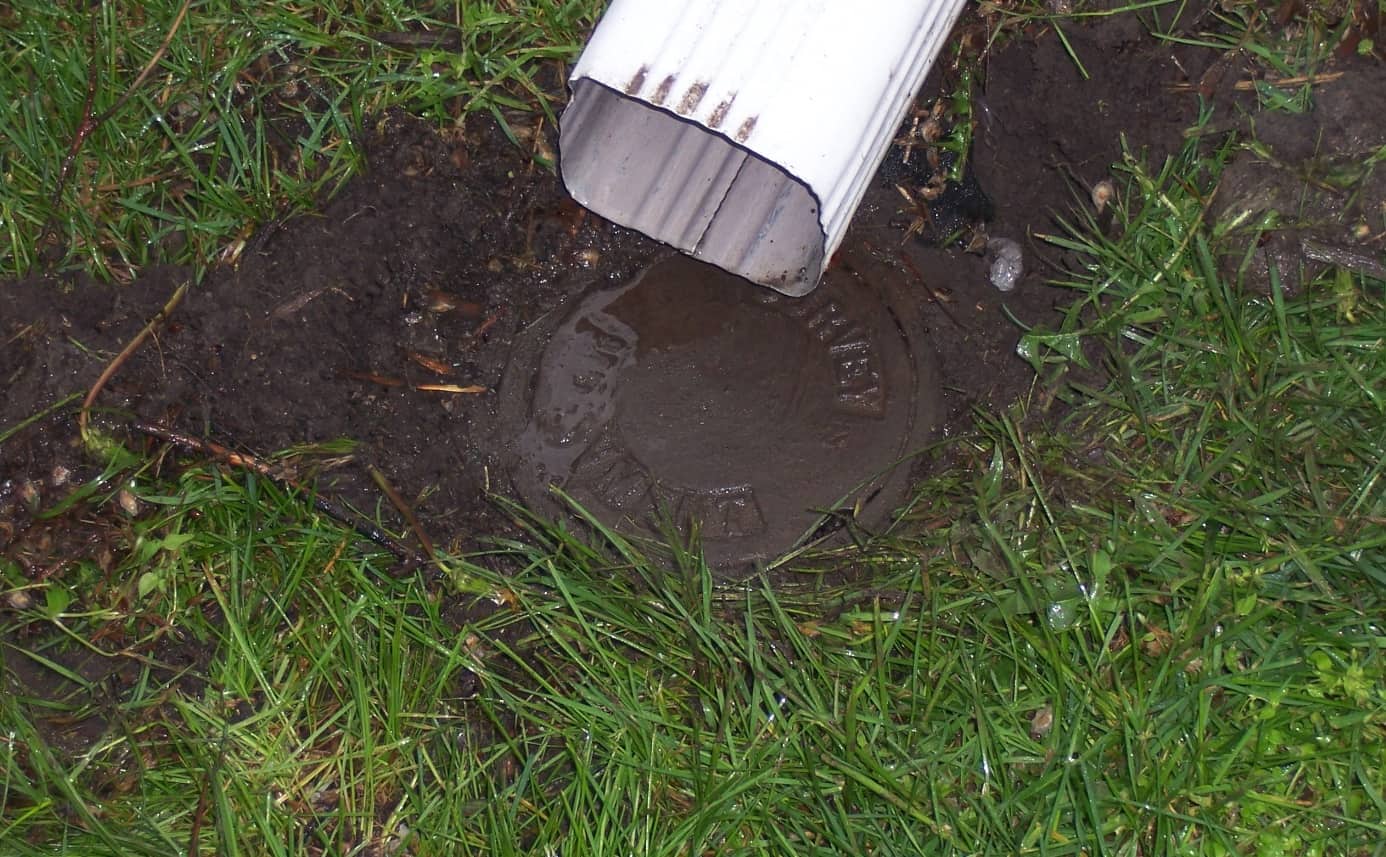
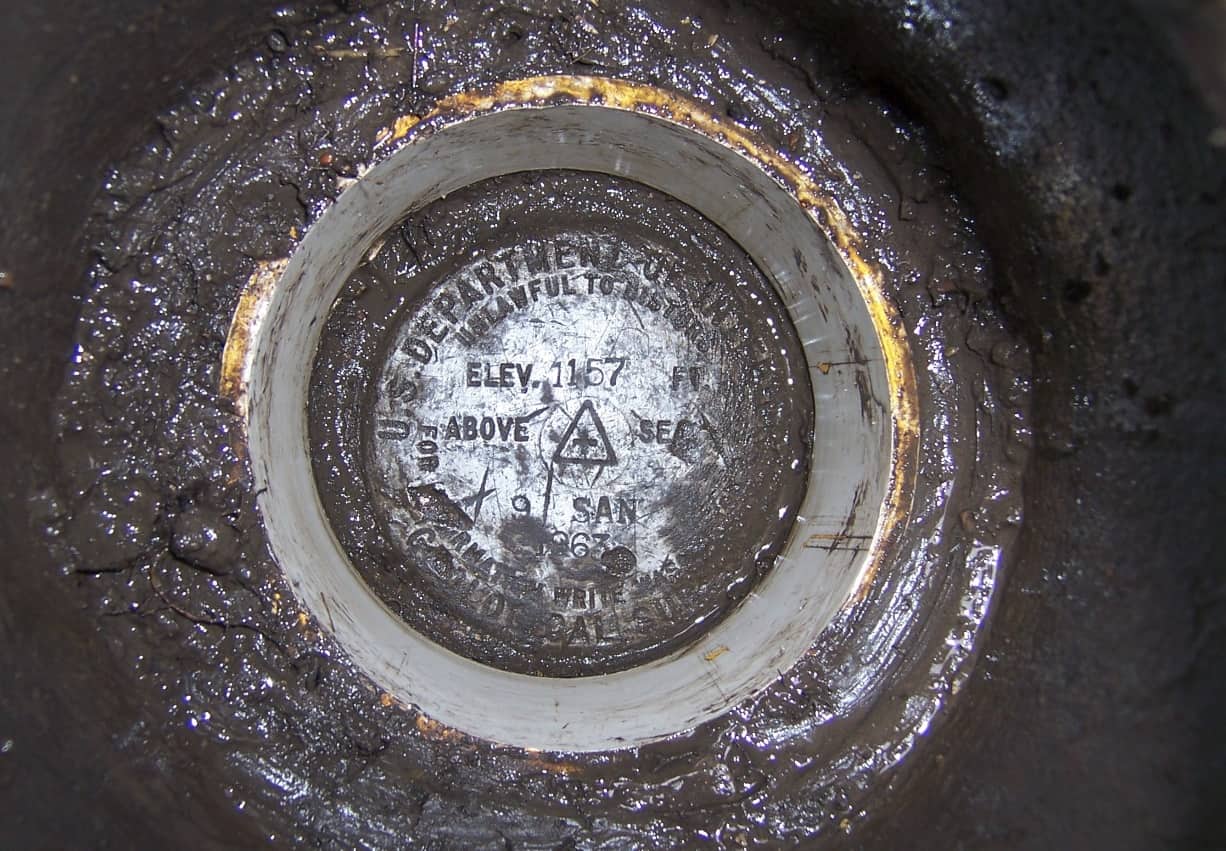
USGS bench mark in Lincoln, Nebraska.
Posted : September 2, 2016 7:21 am
Translate
▼
English
Spanish
French
German
Italian
Portuguese
Russian
Chinese
Japanese
Korean
Arabic
Hindi
Dutch
Polish
Turkish
Vietnamese
Thai
Swedish
Danish
Finnish
Norwegian
Czech
Hungarian
Romanian
Greek
Hebrew
Indonesian
Malay
Ukrainian
Bulgarian
Croatian
Slovak
Slovenian
Serbian
Lithuanian
Latvian
Estonian
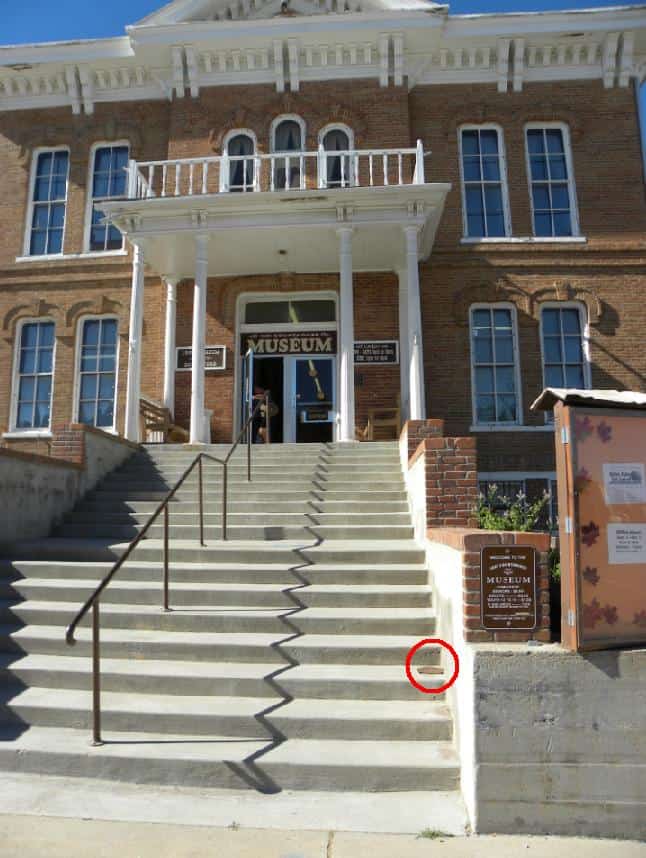
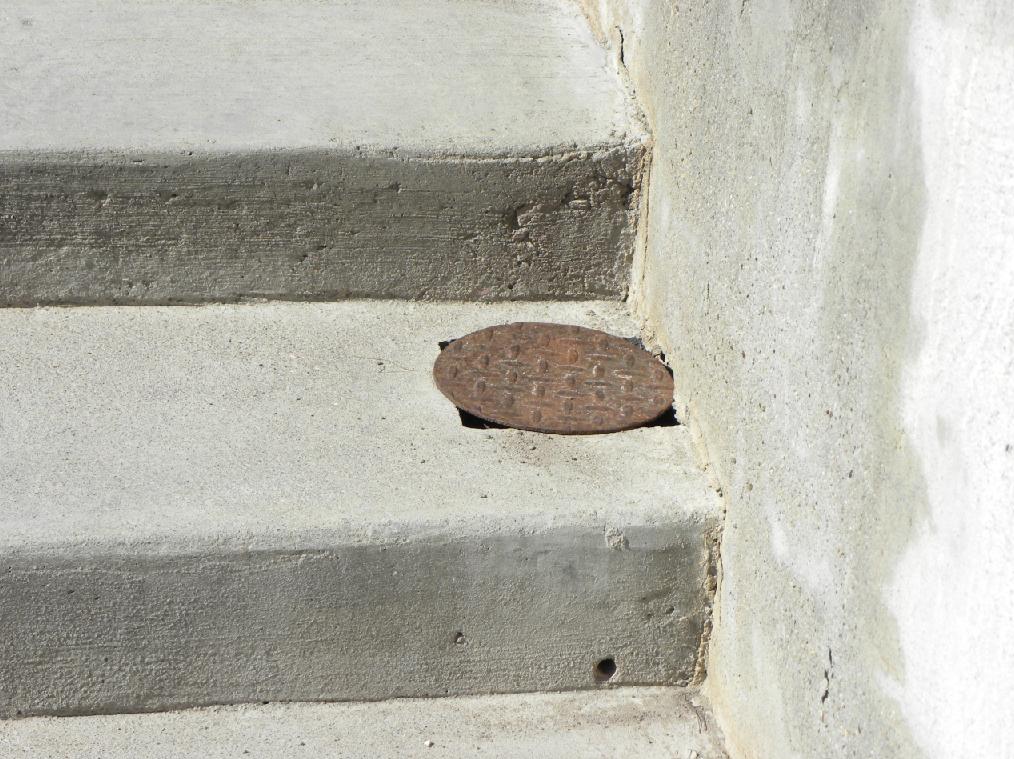
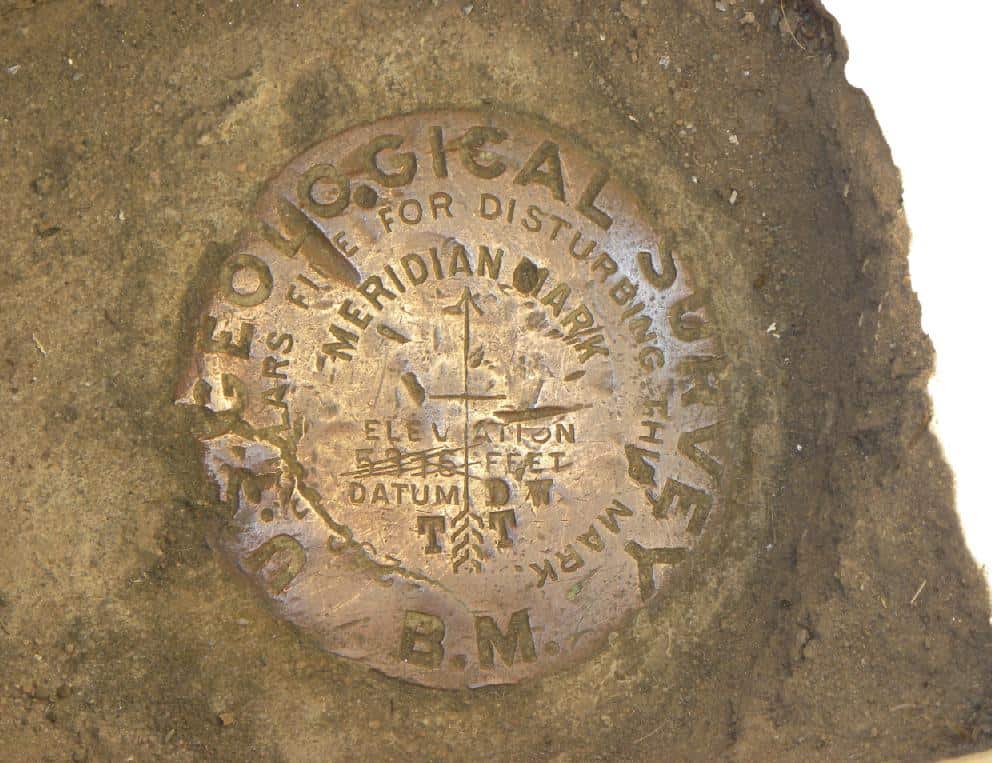
1898 USGS Meridian Mark in Custer, South Dakota.
Posted : September 2, 2016 7:24 am
Translate
▼
English
Spanish
French
German
Italian
Portuguese
Russian
Chinese
Japanese
Korean
Arabic
Hindi
Dutch
Polish
Turkish
Vietnamese
Thai
Swedish
Danish
Finnish
Norwegian
Czech
Hungarian
Romanian
Greek
Hebrew
Indonesian
Malay
Ukrainian
Bulgarian
Croatian
Slovak
Slovenian
Serbian
Lithuanian
Latvian
Estonian
rfc, post: 389281, member: 8882 wrote: Since when are surveyors entitled to "readily accessible" monuments everywhere?
Well, they are not universally. But in Washington State the law requires that monuments destroyed or made "not readily accessible" be referenced or restored in some way to make them so. Daniel made reference to it.
Oregon also has a law to deal with perpetuation of monuments destroyed by construction.
Posted : September 2, 2016 10:35 am
Topic starter
Translate
▼
English
Spanish
French
German
Italian
Portuguese
Russian
Chinese
Japanese
Korean
Arabic
Hindi
Dutch
Polish
Turkish
Vietnamese
Thai
Swedish
Danish
Finnish
Norwegian
Czech
Hungarian
Romanian
Greek
Hebrew
Indonesian
Malay
Ukrainian
Bulgarian
Croatian
Slovak
Slovenian
Serbian
Lithuanian
Latvian
Estonian
Thanks for the replies thus far, y'all.
The very reasons I started this thread are twofold: 1) to consider the options suggested here; and 2) the fact that the Washington Administrative Code (WAC) Chapter 332-120 does not define "readily accessible". What one surveyor may consider to be readily accessible, may not be to another. The National Electrical Code (NEC; NFPA 70) does have a definition for such, albeit with a proposed change for the 2017 edition: "Capable of being reached quickly for operation, renewal or inspections without requiring those to whom ready access is requisite to take actions such as to use tools (other than keys), to climb over or under, remove obstacles, or to resort to portable ladders, and so forth."
If one takes a strict interpretation of this definition and applies it to survey monuments, even a monument cover would render it not readily accessible as it would be an "obstacle".
So, then, what are the "keys" of a reasonable and prudent surveyor? If the monument has a case and cover, then a hammer and J-hook should probably suffice. One may need a flashlight or mirror to illuminate the monument for setup and maybe a manual bilge pump for water removal (a very common need around here!). And a pair of hands to muck out the case if necessary. One should NOT need a Vactorå¨ truck, Nomexå¨ or asbestos gloves to protect against burns due to geothermal effects, etc. for access, of course.
Therefore, the question remains: can the existing monument remain readily accessible? Maybe, maybe not. And because of the uncertainty, it would be most prudent to set reference marks in accordance with the 2009 Manual of Survey Instructions regardless (the "BOTH" option as Nate The Surveyor mentioned).
The only superior evidence is that which you haven't yet found.
Posted : September 2, 2016 11:03 am