Reading RPLS is free for the whole profession. Members post, reply, and get the members-only rooms.

Notifications
Clear all
Strictly Surveying
19
Posts
10
Users
0
Reactions
1,026
Views

Topic starter
Translate
▼
English
Spanish
French
German
Italian
Portuguese
Russian
Chinese
Japanese
Korean
Arabic
Hindi
Dutch
Polish
Turkish
Vietnamese
Thai
Swedish
Danish
Finnish
Norwegian
Czech
Hungarian
Romanian
Greek
Hebrew
Indonesian
Malay
Ukrainian
Bulgarian
Croatian
Slovak
Slovenian
Serbian
Lithuanian
Latvian
Estonian
The old 70s-80s era heavy duty wood tripods by Wild that were made in Switzerland and yes they were heavy...
Does anyone know what type of hardwood was used?
Were they made in Europe?
Or just branded as such.
Posted : May 24, 2017 3:46 pm

Translate
▼
English
Spanish
French
German
Italian
Portuguese
Russian
Chinese
Japanese
Korean
Arabic
Hindi
Dutch
Polish
Turkish
Vietnamese
Thai
Swedish
Danish
Finnish
Norwegian
Czech
Hungarian
Romanian
Greek
Hebrew
Indonesian
Malay
Ukrainian
Bulgarian
Croatian
Slovak
Slovenian
Serbian
Lithuanian
Latvian
Estonian
I've worked on a few and thought they were Beech.
But I just looked European Beech up and its not stable nor durable.
Still think the ones I have are Beech.
Posted : May 24, 2017 4:08 pm

Translate
▼
English
Spanish
French
German
Italian
Portuguese
Russian
Chinese
Japanese
Korean
Arabic
Hindi
Dutch
Polish
Turkish
Vietnamese
Thai
Swedish
Danish
Finnish
Norwegian
Czech
Hungarian
Romanian
Greek
Hebrew
Indonesian
Malay
Ukrainian
Bulgarian
Croatian
Slovak
Slovenian
Serbian
Lithuanian
Latvian
Estonian
I wanna say Beech - not sure why.
Posted : May 24, 2017 4:08 pm
Topic starter
Translate
▼
English
Spanish
French
German
Italian
Portuguese
Russian
Chinese
Japanese
Korean
Arabic
Hindi
Dutch
Polish
Turkish
Vietnamese
Thai
Swedish
Danish
Finnish
Norwegian
Czech
Hungarian
Romanian
Greek
Hebrew
Indonesian
Malay
Ukrainian
Bulgarian
Croatian
Slovak
Slovenian
Serbian
Lithuanian
Latvian
Estonian
I was looking at one today. The yellow paint had worn off in a few spots and the wood looked reddish like Red Oak or Cherry even.
Being as heavy as they were, I just assumed it was Oak.
Then I wondered if they were made here and the brackets and head were assembled.
Or did they import wood from here to there.
Posted : May 24, 2017 4:29 pm

Translate
▼
English
Spanish
French
German
Italian
Portuguese
Russian
Chinese
Japanese
Korean
Arabic
Hindi
Dutch
Polish
Turkish
Vietnamese
Thai
Swedish
Danish
Finnish
Norwegian
Czech
Hungarian
Romanian
Greek
Hebrew
Indonesian
Malay
Ukrainian
Bulgarian
Croatian
Slovak
Slovenian
Serbian
Lithuanian
Latvian
Estonian
Posted : May 24, 2017 4:58 pm

Translate
▼
English
Spanish
French
German
Italian
Portuguese
Russian
Chinese
Japanese
Korean
Arabic
Hindi
Dutch
Polish
Turkish
Vietnamese
Thai
Swedish
Danish
Finnish
Norwegian
Czech
Hungarian
Romanian
Greek
Hebrew
Indonesian
Malay
Ukrainian
Bulgarian
Croatian
Slovak
Slovenian
Serbian
Lithuanian
Latvian
Estonian
Ash grain and oak grain can look very similar. Ash is stronger and more stable.
Make it two votes for Ash.
Posted : May 24, 2017 6:38 pm
Topic starter
Translate
▼
English
Spanish
French
German
Italian
Portuguese
Russian
Chinese
Japanese
Korean
Arabic
Hindi
Dutch
Polish
Turkish
Vietnamese
Thai
Swedish
Danish
Finnish
Norwegian
Czech
Hungarian
Romanian
Greek
Hebrew
Indonesian
Malay
Ukrainian
Bulgarian
Croatian
Slovak
Slovenian
Serbian
Lithuanian
Latvian
Estonian
I had a Nedo. I think it was German made. Heavy like the Wild. Nobody wanted to use it especially when we got the Dutch Hill.
Ash was good for Louisville Sluggers so probably good for tripods
Posted : May 24, 2017 7:17 pm
Translate
▼
English
Spanish
French
German
Italian
Portuguese
Russian
Chinese
Japanese
Korean
Arabic
Hindi
Dutch
Polish
Turkish
Vietnamese
Thai
Swedish
Danish
Finnish
Norwegian
Czech
Hungarian
Romanian
Greek
Hebrew
Indonesian
Malay
Ukrainian
Bulgarian
Croatian
Slovak
Slovenian
Serbian
Lithuanian
Latvian
Estonian
Maybe different timbers used over yonder but Ash and Beech have different grains and the ones I have are Beech like.
From Leica site.
Leica Geosystems tripods are manufactured solely from wood or aluminium. Wood, especially the beech and pine used by Leica Geosystems, offers the best stability values, measured on vertical movement and horizontal drift over time. Wood also exhibits optimal vibration characteristics and therefore delivers substantial benefits
Posted : May 24, 2017 8:05 pm
Topic starter
Translate
▼
English
Spanish
French
German
Italian
Portuguese
Russian
Chinese
Japanese
Korean
Arabic
Hindi
Dutch
Polish
Turkish
Vietnamese
Thai
Swedish
Danish
Finnish
Norwegian
Czech
Hungarian
Romanian
Greek
Hebrew
Indonesian
Malay
Ukrainian
Bulgarian
Croatian
Slovak
Slovenian
Serbian
Lithuanian
Latvian
Estonian
Richard, post: 429840, member: 833 wrote: Maybe different timbers used over yonder but Ash and Beech have different grains and the ones I have are Beech like.
From Leica site.
Leica Geosystems tripods are manufactured solely from wood or aluminium. Wood, especially the beech and pine used by Leica Geosystems, offers the best stability values, measured on vertical movement and horizontal drift over time. Wood also exhibits optimal vibration characteristics and therefore delivers substantial benefits
I m trying to find out specifically about the Wild tripods from 30 years or so ago.
Posted : May 24, 2017 8:27 pm
Translate
▼
English
Spanish
French
German
Italian
Portuguese
Russian
Chinese
Japanese
Korean
Arabic
Hindi
Dutch
Polish
Turkish
Vietnamese
Thai
Swedish
Danish
Finnish
Norwegian
Czech
Hungarian
Romanian
Greek
Hebrew
Indonesian
Malay
Ukrainian
Bulgarian
Croatian
Slovak
Slovenian
Serbian
Lithuanian
Latvian
Estonian
Yes I realised that Robert but I would assume Leica continued the Wild tradition.
My experience with legs and repairs etc goes back to 1966 which are the ones I'm referring to, plus some lot later ones which look similar timber.
Actually my Sokkia ones don't look like Ash, more like Beech, but not sure what the Japanese would use.
I see Berlebach in Germany still make tripods (photographic) from wood. They use Ash.
I'll dig some old parts out and have a look at the raw wood.
Currently old intact ones are well painted
Posted : May 24, 2017 9:06 pm
Translate
▼
English
Spanish
French
German
Italian
Portuguese
Russian
Chinese
Japanese
Korean
Arabic
Hindi
Dutch
Polish
Turkish
Vietnamese
Thai
Swedish
Danish
Finnish
Norwegian
Czech
Hungarian
Romanian
Greek
Hebrew
Indonesian
Malay
Ukrainian
Bulgarian
Croatian
Slovak
Slovenian
Serbian
Lithuanian
Latvian
Estonian
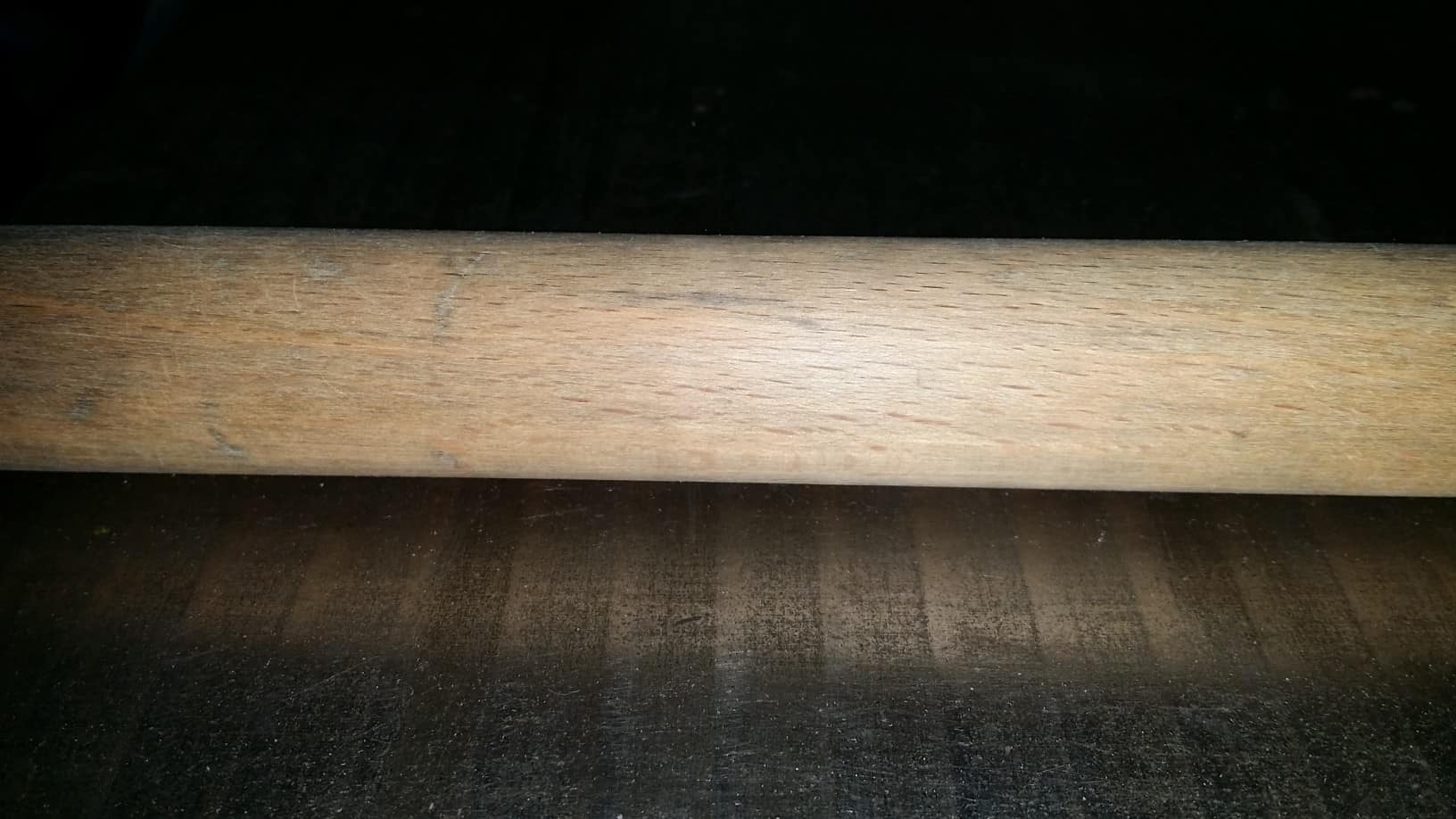
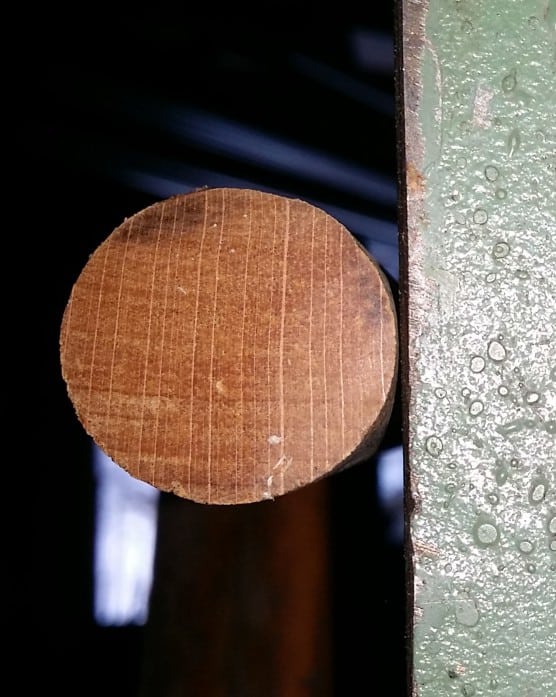
I can only find the rounds off an old leg set.
But the timber seems to be same as the main sliding body.
This looks Beech like to me. My original genuine Wild legs from 1966.
Posted : May 24, 2017 10:14 pm
Topic starter
Translate
▼
English
Spanish
French
German
Italian
Portuguese
Russian
Chinese
Japanese
Korean
Arabic
Hindi
Dutch
Polish
Turkish
Vietnamese
Thai
Swedish
Danish
Finnish
Norwegian
Czech
Hungarian
Romanian
Greek
Hebrew
Indonesian
Malay
Ukrainian
Bulgarian
Croatian
Slovak
Slovenian
Serbian
Lithuanian
Latvian
Estonian
Thanks Richard
Posted : May 24, 2017 10:49 pm

Translate
▼
English
Spanish
French
German
Italian
Portuguese
Russian
Chinese
Japanese
Korean
Arabic
Hindi
Dutch
Polish
Turkish
Vietnamese
Thai
Swedish
Danish
Finnish
Norwegian
Czech
Hungarian
Romanian
Greek
Hebrew
Indonesian
Malay
Ukrainian
Bulgarian
Croatian
Slovak
Slovenian
Serbian
Lithuanian
Latvian
Estonian
The easiest way to identify oak is to look at the annual rings on the end. As seen on the photo but Richard, you can see the pith rays, which produce the fabulous character on quarter sawn oak, but the summer wood on the annual growth rings is extremely porous, with many "holes" (Wood Taxonomy 101) . I still have one of the old Wild unpainted, with green painted over brass tripods which came with a T1 or T2 (date of tripod unknown). When I get time I will take a look.
When I find these, I boil the metal parts in apple cider vinegar to remove the paint, 0000 steel wool the legs, add some lite walnut Watco oil and transform them into floor lamps for land surveying scholarship auctions. I like to see them auctioned off around the middle of the auction when money is still available and potential buyer are sober enough to bid. The record is currently around $800 per lamp.
Posted : May 25, 2017 7:08 am

Translate
▼
English
Spanish
French
German
Italian
Portuguese
Russian
Chinese
Japanese
Korean
Arabic
Hindi
Dutch
Polish
Turkish
Vietnamese
Thai
Swedish
Danish
Finnish
Norwegian
Czech
Hungarian
Romanian
Greek
Hebrew
Indonesian
Malay
Ukrainian
Bulgarian
Croatian
Slovak
Slovenian
Serbian
Lithuanian
Latvian
Estonian
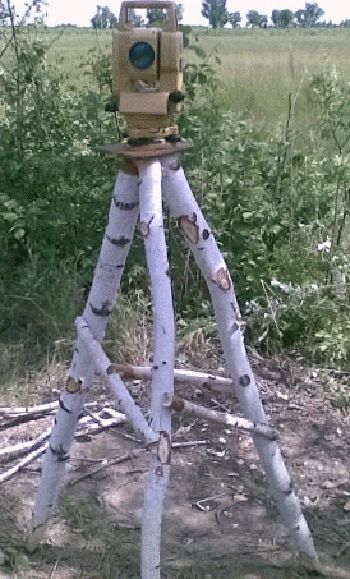
White Birch maybe?
Posted : May 26, 2017 10:14 am

Translate
▼
English
Spanish
French
German
Italian
Portuguese
Russian
Chinese
Japanese
Korean
Arabic
Hindi
Dutch
Polish
Turkish
Vietnamese
Thai
Swedish
Danish
Finnish
Norwegian
Czech
Hungarian
Romanian
Greek
Hebrew
Indonesian
Malay
Ukrainian
Bulgarian
Croatian
Slovak
Slovenian
Serbian
Lithuanian
Latvian
Estonian
I have some 20+ year old Leica legs that are about the same as the current versions and I don't remember any difference for the Wild legs (with the exception of the self locking feet) that I used prior to going out on my onw said 20 years ago. As for heavy, I think they are light compared to TriMax. And to top that, I do think they are more stable.
Posted : May 27, 2017 9:39 am

Translate
▼
English
Spanish
French
German
Italian
Portuguese
Russian
Chinese
Japanese
Korean
Arabic
Hindi
Dutch
Polish
Turkish
Vietnamese
Thai
Swedish
Danish
Finnish
Norwegian
Czech
Hungarian
Romanian
Greek
Hebrew
Indonesian
Malay
Ukrainian
Bulgarian
Croatian
Slovak
Slovenian
Serbian
Lithuanian
Latvian
Estonian
Sergeant Schultz, post: 429804, member: 315 wrote: I wanna say Beech - not sure why.
Because Leica's http://www.leica-geosystems.us/downloads123/zz/accessory/accessories/white-tech-paper/White%20Paper%20Tripods_en.pdf&apos ;">White Paper on Surveying Tripods says it is. A least the GST120-9 is. Cheaper one are made of pine. See page 4 of the linked document.
Posted : May 27, 2017 10:20 am
Topic starter
Translate
▼
English
Spanish
French
German
Italian
Portuguese
Russian
Chinese
Japanese
Korean
Arabic
Hindi
Dutch
Polish
Turkish
Vietnamese
Thai
Swedish
Danish
Finnish
Norwegian
Czech
Hungarian
Romanian
Greek
Hebrew
Indonesian
Malay
Ukrainian
Bulgarian
Croatian
Slovak
Slovenian
Serbian
Lithuanian
Latvian
Estonian
I thought this would be an easy answer
Consensus being ash or beech.
I did a quick Google search and at
Wild-Heerburg.com only found this...
They don't specify the wood.
"
http://www.wild-heerbrugg.com/levels.htm#TOP&apos ;">TOP
All tripods have a standard fixing screw and a similarly shaped head, enabling any Wild level or theodolite. (and also the full range of accessories designed to be mounted on a tripod, as opposed to those for attachment to an instrument) to set up on any Wild tripod. Although each instrument has a particular tripod recommended for its use, it is possible, if circumstances demand, to make use of any Wild tripod that happens to be available. It is, of course, not advisable to use a large instrument on a tripod with a head that is much too small but, in an emergency, it could be done. All tripods have a pouch containing accessories and in most eases they are available with either rigid or telescopic legs (types a and b, respectively). With the exception of the metallic 16bL, they are made from carefully selected and well seasoned wood."
Posted : May 27, 2017 11:15 am

Translate
▼
English
Spanish
French
German
Italian
Portuguese
Russian
Chinese
Japanese
Korean
Arabic
Hindi
Dutch
Polish
Turkish
Vietnamese
Thai
Swedish
Danish
Finnish
Norwegian
Czech
Hungarian
Romanian
Greek
Hebrew
Indonesian
Malay
Ukrainian
Bulgarian
Croatian
Slovak
Slovenian
Serbian
Lithuanian
Latvian
Estonian
Long ago, Teledyne Post had a manufacturing plant in Owen, WI. Besides wood pieces for Post drafting tables, they also produced wood parts (dowels and the lower legs for extension tripods) for tripods for various manufacturers. I had a pile of about 20 pieces of lower legs (rejects) that were painted yellow and had SOKKIA painted on them. I'm sure they were made of locally sourced hard maple.
There are still a couple manufacturers around here (central Wisconsion) that produce high qualitiy wood products and at least one has the capabilities to produce quality wood tripod parts if needed. Zelazoski builds "rock bats" that are used by MLB players. I think they would choose maple if making wood tripod parts.
http://www.robbinsfloor.com/&apos ;">www.robbinsfloor.com
http://www.zwpi.com/&apos ;">www.zwpi.com
Posted : May 28, 2017 7:44 am
Topic starter
Translate
▼
English
Spanish
French
German
Italian
Portuguese
Russian
Chinese
Japanese
Korean
Arabic
Hindi
Dutch
Polish
Turkish
Vietnamese
Thai
Swedish
Danish
Finnish
Norwegian
Czech
Hungarian
Romanian
Greek
Hebrew
Indonesian
Malay
Ukrainian
Bulgarian
Croatian
Slovak
Slovenian
Serbian
Lithuanian
Latvian
Estonian
The #1 bat used in MLB these days is Marucci. Company started in a garage by a LSU athletic trainer in his garage.
Still headquartered in Baton Rouge but I would think that they have other production facilities.
They basically have most of the big names in MLB as users for quite a few years.
Bats are maple.
https://en.m.wikipedia.org/wiki/Marucci_Sports
Posted : May 28, 2017 8:35 am