Reading RPLS is free for the whole profession. Members post, reply, and get the members-only rooms.

Notifications
Clear all

Topic starter
Translate
▼
English
Spanish
French
German
Italian
Portuguese
Russian
Chinese
Japanese
Korean
Arabic
Hindi
Dutch
Polish
Turkish
Vietnamese
Thai
Swedish
Danish
Finnish
Norwegian
Czech
Hungarian
Romanian
Greek
Hebrew
Indonesian
Malay
Ukrainian
Bulgarian
Croatian
Slovak
Slovenian
Serbian
Lithuanian
Latvian
Estonian
Got a power transmission line project coming up where intersecting cross power lines will need to be measured up for height of wire. Looking for ideas on quick ways to obtain power transmission wire heights.
Thanks for any ideas.
Posted : June 5, 2017 4:53 pm

Translate
▼
English
Spanish
French
German
Italian
Portuguese
Russian
Chinese
Japanese
Korean
Arabic
Hindi
Dutch
Polish
Turkish
Vietnamese
Thai
Swedish
Danish
Finnish
Norwegian
Czech
Hungarian
Romanian
Greek
Hebrew
Indonesian
Malay
Ukrainian
Bulgarian
Croatian
Slovak
Slovenian
Serbian
Lithuanian
Latvian
Estonian
Total Station none prism mode
Terrestrial scanning
Drone 3d mapping
Posted : June 5, 2017 4:56 pm

Translate
▼
English
Spanish
French
German
Italian
Portuguese
Russian
Chinese
Japanese
Korean
Arabic
Hindi
Dutch
Polish
Turkish
Vietnamese
Thai
Swedish
Danish
Finnish
Norwegian
Czech
Hungarian
Romanian
Greek
Hebrew
Indonesian
Malay
Ukrainian
Bulgarian
Croatian
Slovak
Slovenian
Serbian
Lithuanian
Latvian
Estonian
I. Ben Havin, post: 431166, member: 6834 wrote: Looking for ideas on quick ways to obtain power transmission wire heights.
Hit the button on your scanner...
Posted : June 5, 2017 4:57 pm

Translate
▼
English
Spanish
French
German
Italian
Portuguese
Russian
Chinese
Japanese
Korean
Arabic
Hindi
Dutch
Polish
Turkish
Vietnamese
Thai
Swedish
Danish
Finnish
Norwegian
Czech
Hungarian
Romanian
Greek
Hebrew
Indonesian
Malay
Ukrainian
Bulgarian
Croatian
Slovak
Slovenian
Serbian
Lithuanian
Latvian
Estonian
TS prism less
When wind is moving lines too much to shoot measure a distance from crossing, get HI and measure vertical angle up to line.
Posted : June 5, 2017 5:20 pm

Translate
▼
English
Spanish
French
German
Italian
Portuguese
Russian
Chinese
Japanese
Korean
Arabic
Hindi
Dutch
Polish
Turkish
Vietnamese
Thai
Swedish
Danish
Finnish
Norwegian
Czech
Hungarian
Romanian
Greek
Hebrew
Indonesian
Malay
Ukrainian
Bulgarian
Croatian
Slovak
Slovenian
Serbian
Lithuanian
Latvian
Estonian
I've used a reflectorless TS (SET4) for years to shoot conductor elevations.
I'm not sure kind of project you're working on, but all power-power crossings I locate for my power company clients usually also include locating the attachment points and heights at each end of the conductor, a low-wire elevation (bottom of the sag, if determinable) and the outside air temperature at the time of the measurement.
Posted : June 5, 2017 5:28 pm

Translate
▼
English
Spanish
French
German
Italian
Portuguese
Russian
Chinese
Japanese
Korean
Arabic
Hindi
Dutch
Polish
Turkish
Vietnamese
Thai
Swedish
Danish
Finnish
Norwegian
Czech
Hungarian
Romanian
Greek
Hebrew
Indonesian
Malay
Ukrainian
Bulgarian
Croatian
Slovak
Slovenian
Serbian
Lithuanian
Latvian
Estonian
I'm assuming your don't have a scanner or reflector-less ability or this would be a non-issue. If that is the case intersect 2 HA's for distance, record both ZA's, average them and pull put the calculator or CAD flavor of your choosing and inverse. Points Paden brought up are something to think about.
Posted : June 5, 2017 6:08 pm

Translate
▼
English
Spanish
French
German
Italian
Portuguese
Russian
Chinese
Japanese
Korean
Arabic
Hindi
Dutch
Polish
Turkish
Vietnamese
Thai
Swedish
Danish
Finnish
Norwegian
Czech
Hungarian
Romanian
Greek
Hebrew
Indonesian
Malay
Ukrainian
Bulgarian
Croatian
Slovak
Slovenian
Serbian
Lithuanian
Latvian
Estonian
paden cash, post: 431173, member: 20 wrote: I've used a reflectorless TS (SET4) for years to shoot conductor elevations.
I'm not sure kind of project you're working on, but all power-power crossings I locate for my power company clients usually also include locating the attachment points and heights at each end of the conductor, a low-wire elevation (bottom of the sag, if determinable) and the outside air temperature at the time of the measurement.
Same here. Topcon GTP 3005. I've mapped as much as a mile and a half an hour reflectorlessly, covering a half mile per setup. Works great for wire heights.
Use to do vertical offsets. That works good too. Just need a rodman under the conductor.
Posted : June 5, 2017 6:10 pm

Translate
▼
English
Spanish
French
German
Italian
Portuguese
Russian
Chinese
Japanese
Korean
Arabic
Hindi
Dutch
Polish
Turkish
Vietnamese
Thai
Swedish
Danish
Finnish
Norwegian
Czech
Hungarian
Romanian
Greek
Hebrew
Indonesian
Malay
Ukrainian
Bulgarian
Croatian
Slovak
Slovenian
Serbian
Lithuanian
Latvian
Estonian
BK9196, post: 431181, member: 12217 wrote: I'm assuming your don't have a scanner or reflector-less ability or this would be a non-issue. If that is the case intersect 2 HA's for distance, record both ZA's, average them and pull put the calculator or CAD flavor of your choosing and inverse. Points Paden brought up are something to think about.
Intersecting 2 HA at the low point can be a problem.
Position the insultaors on the poles by intersection. Then, measure a single HA/VA to to the low point in the sag of the power line. The low point is a brg/brg intersection between the insulators.
Posted : June 5, 2017 6:19 pm
Translate
▼
English
Spanish
French
German
Italian
Portuguese
Russian
Chinese
Japanese
Korean
Arabic
Hindi
Dutch
Polish
Turkish
Vietnamese
Thai
Swedish
Danish
Finnish
Norwegian
Czech
Hungarian
Romanian
Greek
Hebrew
Indonesian
Malay
Ukrainian
Bulgarian
Croatian
Slovak
Slovenian
Serbian
Lithuanian
Latvian
Estonian
Jules J., post: 431182, member: 444 wrote: ...Use to do vertical offsets. That works good too. Just need a rodman under the conductor.
Before I got the Leica SET4 130R3 I used a Nikon. Although it wasn't reflectorless, if you took a shot on the reflector then moved the barrel up to sight the conductor, the displayed elevation would also change. This all happened BEFORE you hit the record button. It made it really slick and easy to get heights on objects you couldn't get to. You just had to make sure you were DIRECTLY underneath them.
You also have to be very careful of the rod height that was stored in the TS....;)
I was disappointed the Leica did not work the same way as the Nikon. Gawd those were good guns.
Posted : June 5, 2017 6:21 pm
Translate
▼
English
Spanish
French
German
Italian
Portuguese
Russian
Chinese
Japanese
Korean
Arabic
Hindi
Dutch
Polish
Turkish
Vietnamese
Thai
Swedish
Danish
Finnish
Norwegian
Czech
Hungarian
Romanian
Greek
Hebrew
Indonesian
Malay
Ukrainian
Bulgarian
Croatian
Slovak
Slovenian
Serbian
Lithuanian
Latvian
Estonian
paden cash, post: 431189, member: 20 wrote: Before I got the Leica SET4 130R3 I used a Nikon. Although it wasn't reflectorless, if you took a shot on the reflector then moved the barrel up to sight the conductor, the displayed elevation would also change. This all happened BEFORE you hit the record button. It made it really slick and easy to get heights on objects you couldn't get to. You just had to make sure you were DIRECTLY underneath them.
You also have to be very careful of the rod height that was stored in the TS....;)
I was disappointed the Leica did not work the same way as the Nikon. Gawd those were good guns.
A good chainman helps in this situation I'd imagine.
Posted : June 5, 2017 6:25 pm
Translate
▼
English
Spanish
French
German
Italian
Portuguese
Russian
Chinese
Japanese
Korean
Arabic
Hindi
Dutch
Polish
Turkish
Vietnamese
Thai
Swedish
Danish
Finnish
Norwegian
Czech
Hungarian
Romanian
Greek
Hebrew
Indonesian
Malay
Ukrainian
Bulgarian
Croatian
Slovak
Slovenian
Serbian
Lithuanian
Latvian
Estonian
If you only need wire heights above ground and not location, then a disto laser may work.
Posted : June 5, 2017 6:29 pm

Translate
▼
English
Spanish
French
German
Italian
Portuguese
Russian
Chinese
Japanese
Korean
Arabic
Hindi
Dutch
Polish
Turkish
Vietnamese
Thai
Swedish
Danish
Finnish
Norwegian
Czech
Hungarian
Romanian
Greek
Hebrew
Indonesian
Malay
Ukrainian
Bulgarian
Croatian
Slovak
Slovenian
Serbian
Lithuanian
Latvian
Estonian
leegreen, post: 431167, member: 2332 wrote: Total Station none prism mode
Terrestrial scanning
Drone 3d mapping
Mobile mapper
Depending on tolerance, you may have some aerial lidar available that will be close enough. It would certainly help ID the low points for reflectorless shots.
Posted : June 5, 2017 6:34 pm

Translate
▼
English
Spanish
French
German
Italian
Portuguese
Russian
Chinese
Japanese
Korean
Arabic
Hindi
Dutch
Polish
Turkish
Vietnamese
Thai
Swedish
Danish
Finnish
Norwegian
Czech
Hungarian
Romanian
Greek
Hebrew
Indonesian
Malay
Ukrainian
Bulgarian
Croatian
Slovak
Slovenian
Serbian
Lithuanian
Latvian
Estonian
I guess a good ol' fashion wire height rod is too low tech for most easy stuff? Otherwise my go-to is the TS in prismless mode. Push comes to shove I'll just book the zenith and S.D. from my setup and figure it out back in the survey cave.
Just because I'm paranoid, doesn't mean they aren't out to get me.
Posted : June 5, 2017 6:37 pm
Translate
▼
English
Spanish
French
German
Italian
Portuguese
Russian
Chinese
Japanese
Korean
Arabic
Hindi
Dutch
Polish
Turkish
Vietnamese
Thai
Swedish
Danish
Finnish
Norwegian
Czech
Hungarian
Romanian
Greek
Hebrew
Indonesian
Malay
Ukrainian
Bulgarian
Croatian
Slovak
Slovenian
Serbian
Lithuanian
Latvian
Estonian
Williwaw, post: 431196, member: 7066 wrote: I guess a good ol' fashion wire height rod is too low tech for most easy stuff? Otherwise my go-to is the TS in prismless mode. Push comes to shove I'll just book the zenith and S.D. from my setup and figure it out back in the survey cave.
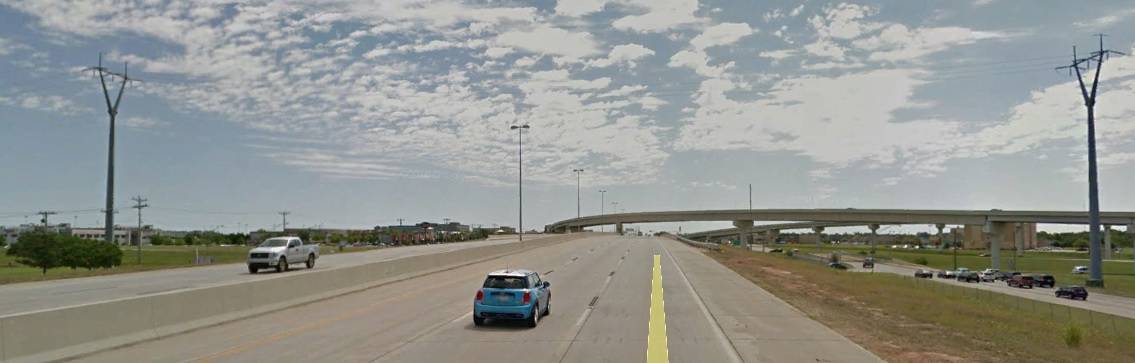
Height rods are good for backyards and county back roads (where I prefer working). Some of the stuff I measure is Interstate highway and in the neighborhood of 40 to 50 feet in the air.
But that's really a good thing. I mean, who's gonna tell you you're wrong? 😉
Posted : June 5, 2017 6:44 pm

Translate
▼
English
Spanish
French
German
Italian
Portuguese
Russian
Chinese
Japanese
Korean
Arabic
Hindi
Dutch
Polish
Turkish
Vietnamese
Thai
Swedish
Danish
Finnish
Norwegian
Czech
Hungarian
Romanian
Greek
Hebrew
Indonesian
Malay
Ukrainian
Bulgarian
Croatian
Slovak
Slovenian
Serbian
Lithuanian
Latvian
Estonian
We shoot a distance to pole with prism, gun vertical at 90' and read rod and double angle to wire and then do the math.. Pretty easy and fast with right eyeman(person)
Posted : June 5, 2017 6:54 pm

Translate
▼
English
Spanish
French
German
Italian
Portuguese
Russian
Chinese
Japanese
Korean
Arabic
Hindi
Dutch
Polish
Turkish
Vietnamese
Thai
Swedish
Danish
Finnish
Norwegian
Czech
Hungarian
Romanian
Greek
Hebrew
Indonesian
Malay
Ukrainian
Bulgarian
Croatian
Slovak
Slovenian
Serbian
Lithuanian
Latvian
Estonian
Vertical angle offset
Posted : June 5, 2017 6:59 pm

Translate
▼
English
Spanish
French
German
Italian
Portuguese
Russian
Chinese
Japanese
Korean
Arabic
Hindi
Dutch
Polish
Turkish
Vietnamese
Thai
Swedish
Danish
Finnish
Norwegian
Czech
Hungarian
Romanian
Greek
Hebrew
Indonesian
Malay
Ukrainian
Bulgarian
Croatian
Slovak
Slovenian
Serbian
Lithuanian
Latvian
Estonian
The Leica TS16i is great for this. The imaging capabilities make it easy to aim at the lines. Just put it on reflectorless and continuous mode. This way even if the line is bouncing in the wind, you are sure to get it. And with Leica's data overlay on the live image, you know you got the shot in the right place.
Posted : June 5, 2017 7:42 pm

Translate
▼
English
Spanish
French
German
Italian
Portuguese
Russian
Chinese
Japanese
Korean
Arabic
Hindi
Dutch
Polish
Turkish
Vietnamese
Thai
Swedish
Danish
Finnish
Norwegian
Czech
Hungarian
Romanian
Greek
Hebrew
Indonesian
Malay
Ukrainian
Bulgarian
Croatian
Slovak
Slovenian
Serbian
Lithuanian
Latvian
Estonian
As others have said, either shoot directly with reflectorless, or shoot to the rod man and turn the angle up.
Posted : June 5, 2017 8:02 pm
Translate
▼
English
Spanish
French
German
Italian
Portuguese
Russian
Chinese
Japanese
Korean
Arabic
Hindi
Dutch
Polish
Turkish
Vietnamese
Thai
Swedish
Danish
Finnish
Norwegian
Czech
Hungarian
Romanian
Greek
Hebrew
Indonesian
Malay
Ukrainian
Bulgarian
Croatian
Slovak
Slovenian
Serbian
Lithuanian
Latvian
Estonian
Larry Scott, post: 431187, member: 8766 wrote: Intersecting 2 HA at the low point can be a problem.
Position the insultaors on the poles by intersection. Then, measure a single HA/VA to to the low point in the sag of the power line. The low point is a brg/brg intersection between the insulators.
This is the most accurate and reliable way unless you are willing to rely on the reflectorless readings for the cable/
I do the maths using a spreadsheet and it will calc the height at any point with an "angles only" reading.
The HA gives you the E and N of intersection with the line between the insulators. The HD follows by trig and thus the VA gives you the VD.
There are onboard applications that wiil do it if you need an answer in the field.
If you don't have a reflectorless EDM then the insulators will need to be measured by intersection from 2 stations.
Posted : June 6, 2017 1:21 am

Translate
▼
English
Spanish
French
German
Italian
Portuguese
Russian
Chinese
Japanese
Korean
Arabic
Hindi
Dutch
Polish
Turkish
Vietnamese
Thai
Swedish
Danish
Finnish
Norwegian
Czech
Hungarian
Romanian
Greek
Hebrew
Indonesian
Malay
Ukrainian
Bulgarian
Croatian
Slovak
Slovenian
Serbian
Lithuanian
Latvian
Estonian
paden cash, post: 431173, member: 20 wrote: I've used a reflectorless TS (SET4) for years to shoot conductor elevations.
I'm not sure kind of project you're working on, but all power-power crossings I locate for my power company clients usually also include locating the attachment points and heights at each end of the conductor, a low-wire elevation (bottom of the sag, if determinable) and the outside air temperature at the time of the measurement.
I have also had to add wind speed and direction to this deliverable
Licensed Land Surveyor
Finger Lakes Region, Upstate New York
Posted : June 6, 2017 3:17 am
Page 1 / 4
Next