Reading RPLS is free for the whole profession. Members post, reply, and get the members-only rooms.

Notifications
Clear all
Strictly Surveying
16
Posts
13
Users
0
Reactions
4,448
Views

Topic starter
Translate
▼
English
Spanish
French
German
Italian
Portuguese
Russian
Chinese
Japanese
Korean
Arabic
Hindi
Dutch
Polish
Turkish
Vietnamese
Thai
Swedish
Danish
Finnish
Norwegian
Czech
Hungarian
Romanian
Greek
Hebrew
Indonesian
Malay
Ukrainian
Bulgarian
Croatian
Slovak
Slovenian
Serbian
Lithuanian
Latvian
Estonian
Hello-?ÿ
anyone running the base in a base-rover setup with an external battery? We need to now run 2 bases. We have a battery that we purchased from our survey equipment supply. However I see crews using what looks like car batteries or motorcycle batteries. Any issues going with a basic auto battery??ÿ
?ÿ
Posted : April 6, 2020 5:09 pm

Translate
▼
English
Spanish
French
German
Italian
Portuguese
Russian
Chinese
Japanese
Korean
Arabic
Hindi
Dutch
Polish
Turkish
Vietnamese
Thai
Swedish
Danish
Finnish
Norwegian
Czech
Hungarian
Romanian
Greek
Hebrew
Indonesian
Malay
Ukrainian
Bulgarian
Croatian
Slovak
Slovenian
Serbian
Lithuanian
Latvian
Estonian
Used them (Auto/Motorcycle) for years, with excellent results. The newer GNSS units use a LOT less power than the "old stuff," but radios still pull a lot of juice (depending on transmit power of course).
Optima batteries seemed to last the best, but they are kinda pricey.
Loyal
Posted : April 6, 2020 5:21 pm

Translate
▼
English
Spanish
French
German
Italian
Portuguese
Russian
Chinese
Japanese
Korean
Arabic
Hindi
Dutch
Polish
Turkish
Vietnamese
Thai
Swedish
Danish
Finnish
Norwegian
Czech
Hungarian
Romanian
Greek
Hebrew
Indonesian
Malay
Ukrainian
Bulgarian
Croatian
Slovak
Slovenian
Serbian
Lithuanian
Latvian
Estonian
You want to make sure your battery is in an acceptable voltage range for the equipment, and has an amp-hour rating that is ample for your operating period as the capacity will degrade some over the life of the battery.?ÿ A lot of gear does run well in the automotive ~12V range.
I would not use an ordinary car or motorcycle battery, though, because they are not built for a large number of charge/discharge cycles.?ÿ A deep-cycle battery (e.g., trolling motor battery) is better in that regard, but you need to think about the risk of spilling acid.
For those reasons, a long-time favorite has been Sealed Lead Acid (SLA) batteries, often with Absorbant Glass Mat (AGM) technology. These have been popular in motorized wheelchairs and have numerous vendors.?ÿ My last two were Genesis brand and have held up better than Duracel did. SLA was what Trimble used to put in the famous "cowbell" battery case, but I don't know what is current.
Newer trends have used various lithium technologies, which pack more energy per pound and size, and which require more specialized chargers than SLA.
Posted : April 6, 2020 5:28 pm

Translate
▼
English
Spanish
French
German
Italian
Portuguese
Russian
Chinese
Japanese
Korean
Arabic
Hindi
Dutch
Polish
Turkish
Vietnamese
Thai
Swedish
Danish
Finnish
Norwegian
Czech
Hungarian
Romanian
Greek
Hebrew
Indonesian
Malay
Ukrainian
Bulgarian
Croatian
Slovak
Slovenian
Serbian
Lithuanian
Latvian
Estonian
Use a 12 volt jump start battery, I started out with one from Home Depot, have had 2 Sears batteries over the years, one still in use and now have one from Harbor Freight. I prefer to make up a cigarette lighter connection to the external power plug of the receiver. It is an encased unit with a handle and have used them or lent them out for their intended purposes a few times. On occasion I have parked near the setup and used the auxiliary plug to power the receiver. Early on I had Ashtech Z-12s that sucked power and found out that when I restarted my vehicle on a very cold night the power drop shut off my receiver.?ÿ
Paul in PA
Posted : April 6, 2020 5:43 pm
Translate
▼
English
Spanish
French
German
Italian
Portuguese
Russian
Chinese
Japanese
Korean
Arabic
Hindi
Dutch
Polish
Turkish
Vietnamese
Thai
Swedish
Danish
Finnish
Norwegian
Czech
Hungarian
Romanian
Greek
Hebrew
Indonesian
Malay
Ukrainian
Bulgarian
Croatian
Slovak
Slovenian
Serbian
Lithuanian
Latvian
Estonian
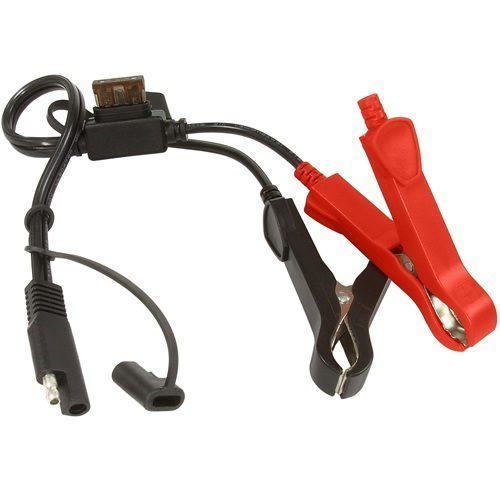
A lot of surveyors have said they use the automotive SAE barrel connectors on their batteries.?ÿ
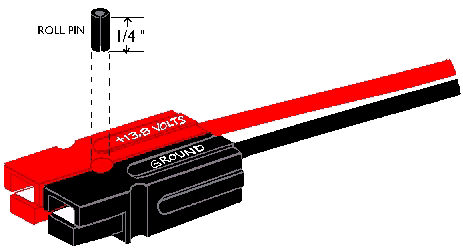
I prefer the Anderson PowerPole connectors, which are hermaphroditic. Thus my charger, the battery, and the receiver all use the same connector so any 12V source or load can be connected to each other (automatically red to red and black to black), which is not true of the SAE. I put parallel connections on some of the cords so batteries can be paralleled if needed in the field, or especially when they are left on float charge. The orientation (several options) and wiring are standardized among amateur radio emergency services.
https://www.qsl.net/w2vtm/powerpole.html
Posted : April 6, 2020 6:06 pm

Translate
▼
English
Spanish
French
German
Italian
Portuguese
Russian
Chinese
Japanese
Korean
Arabic
Hindi
Dutch
Polish
Turkish
Vietnamese
Thai
Swedish
Danish
Finnish
Norwegian
Czech
Hungarian
Romanian
Greek
Hebrew
Indonesian
Malay
Ukrainian
Bulgarian
Croatian
Slovak
Slovenian
Serbian
Lithuanian
Latvian
Estonian
We use 5ah Dewalt 20v drill batteries. They run a Topcon Hiper V or HR almost all day long ?ÿ
We already had 20v dewalt hammer drills and cut off saws in the crew trucks for setting nails or cutting ??x? in concrete.?ÿ
Posted : April 6, 2020 6:12 pm

Translate
▼
English
Spanish
French
German
Italian
Portuguese
Russian
Chinese
Japanese
Korean
Arabic
Hindi
Dutch
Polish
Turkish
Vietnamese
Thai
Swedish
Danish
Finnish
Norwegian
Czech
Hungarian
Romanian
Greek
Hebrew
Indonesian
Malay
Ukrainian
Bulgarian
Croatian
Slovak
Slovenian
Serbian
Lithuanian
Latvian
Estonian
I use a deep cycle marine on the base, as mentioned earlier acid leakage, I use a 2x6 board under it.
all be safe.
?ÿ
Posted : April 6, 2020 9:03 pm

Translate
▼
English
Spanish
French
German
Italian
Portuguese
Russian
Chinese
Japanese
Korean
Arabic
Hindi
Dutch
Polish
Turkish
Vietnamese
Thai
Swedish
Danish
Finnish
Norwegian
Czech
Hungarian
Romanian
Greek
Hebrew
Indonesian
Malay
Ukrainian
Bulgarian
Croatian
Slovak
Slovenian
Serbian
Lithuanian
Latvian
Estonian
An automotive style lead acid battery will work fine. For a while. A deep cycle (marine) lead acid battery looks about the same, will cost quite a lot more, but survive far more cycles.
Lead acid batteries like to be discharged only slightly before being recharged. (such as when you start your car, then immediately recharge). They don't like being run well down before being recharged (like when you leave car your lights on). Use a common lead acid battery like that and you won't get many cycles out of it. Marine deep cycle batteries are built to accept that and will survive many more such cycles.?ÿ ?ÿ?ÿ
Posted : April 6, 2020 9:03 pm

Translate
▼
English
Spanish
French
German
Italian
Portuguese
Russian
Chinese
Japanese
Korean
Arabic
Hindi
Dutch
Polish
Turkish
Vietnamese
Thai
Swedish
Danish
Finnish
Norwegian
Czech
Hungarian
Romanian
Greek
Hebrew
Indonesian
Malay
Ukrainian
Bulgarian
Croatian
Slovak
Slovenian
Serbian
Lithuanian
Latvian
Estonian
And if you're going to Frankenstein together a cable, remember to put a fuse in unless you like burning up expensive GPS equipment as a hobby.?ÿ 😛
Posted : April 7, 2020 8:24 am

Translate
▼
English
Spanish
French
German
Italian
Portuguese
Russian
Chinese
Japanese
Korean
Arabic
Hindi
Dutch
Polish
Turkish
Vietnamese
Thai
Swedish
Danish
Finnish
Norwegian
Czech
Hungarian
Romanian
Greek
Hebrew
Indonesian
Malay
Ukrainian
Bulgarian
Croatian
Slovak
Slovenian
Serbian
Lithuanian
Latvian
Estonian
If you really want to step up your game, get a LiFePo4, flat voltage discharge, can use near 100% of capacity without damage, charges fast, lighter weight, HOWEVER you might not like the initial cost.!!!! I swapped out the 35AH lead acid batteries that have typically been provided for PacCrest radios over the years for a 20AH LiFePo4, that has slightly more usable energy. https://www.bioennopower.com/collections/12v-series-lifepo4-batteries/products/12v-20ah-lfp-battery-abs-blf-1220as
SHG
Posted : April 7, 2020 11:57 am

Translate
▼
English
Spanish
French
German
Italian
Portuguese
Russian
Chinese
Japanese
Korean
Arabic
Hindi
Dutch
Polish
Turkish
Vietnamese
Thai
Swedish
Danish
Finnish
Norwegian
Czech
Hungarian
Romanian
Greek
Hebrew
Indonesian
Malay
Ukrainian
Bulgarian
Croatian
Slovak
Slovenian
Serbian
Lithuanian
Latvian
Estonian
Just a heads up for air travelers.
The solution @shelby-h-griggs-pls likes is great as long as you don't have to fly or air freight them.
You can't ship them by air or fly with them unless you carry them on. Then there are limitations with the carry on...
Lithium batteries with more than 100 watt hours may be allowed in carry-on bags with airline approval. One spare battery, not exceeding 300 watt hours, or two spare batteries, not exceeding 160 watt hours each, are permitted in carry-on bags. For more information, see the FAA regulations on batteries.
Posted : April 7, 2020 1:59 pm
Translate
▼
English
Spanish
French
German
Italian
Portuguese
Russian
Chinese
Japanese
Korean
Arabic
Hindi
Dutch
Polish
Turkish
Vietnamese
Thai
Swedish
Danish
Finnish
Norwegian
Czech
Hungarian
Romanian
Greek
Hebrew
Indonesian
Malay
Ukrainian
Bulgarian
Croatian
Slovak
Slovenian
Serbian
Lithuanian
Latvian
Estonian
Lithium batteries with more than 100 watt hours may be allowed in carry-on bags with airline approval. One spare battery, not exceeding 300 watt hours, or two spare batteries, not exceeding 160 watt hours each, are permitted in carry-on bags. For more information, see the FAA regulations on batteries.
Note the units are watt-hours, whereas the manufacturers usually label them in amp-hours.?ÿ For a nominal 12 volt battery, that is 100/12 = 8.3 amp-hours, not very big.?ÿ Or 300/12=25 amp-hours.
Posted : April 7, 2020 3:45 pm

Translate
▼
English
Spanish
French
German
Italian
Portuguese
Russian
Chinese
Japanese
Korean
Arabic
Hindi
Dutch
Polish
Turkish
Vietnamese
Thai
Swedish
Danish
Finnish
Norwegian
Czech
Hungarian
Romanian
Greek
Hebrew
Indonesian
Malay
Ukrainian
Bulgarian
Croatian
Slovak
Slovenian
Serbian
Lithuanian
Latvian
Estonian
I've always used deep cycle batteries, normally I get them from interstate, the cost is reasonable and they last years powering up the repeater radio. However, once the interstate option was unavailable and I got one from the local Honda dealer, it was more expensive but when you need one today you need one today. That was 4 years ago and it's still going. I must add I don't get in the field as often as I used too but 4 years of life isn't at all unusual.
For the R8 base receiver I use a trimble cowbell battery and recell it with interstate batteries which are around $30. I keep a spare on hand and try to monitor the life carefully, they sometimes only last a year, sometimes much longer, either way they are cheap enough when they look like they are running down, just pitch them and use the spare, order another one.?ÿ
Posted : April 8, 2020 7:35 am

Translate
▼
English
Spanish
French
German
Italian
Portuguese
Russian
Chinese
Japanese
Korean
Arabic
Hindi
Dutch
Polish
Turkish
Vietnamese
Thai
Swedish
Danish
Finnish
Norwegian
Czech
Hungarian
Romanian
Greek
Hebrew
Indonesian
Malay
Ukrainian
Bulgarian
Croatian
Slovak
Slovenian
Serbian
Lithuanian
Latvian
Estonian
GPAC makes some nice setups for external power using sealed or glass pack batteries in a variety of sizes.?ÿ I would love to swap out my older batteries for lithium, but I tend to ship my gear by air and the internal instrument batteries are a pain enough.
Posted : April 8, 2020 8:29 am
Translate
▼
English
Spanish
French
German
Italian
Portuguese
Russian
Chinese
Japanese
Korean
Arabic
Hindi
Dutch
Polish
Turkish
Vietnamese
Thai
Swedish
Danish
Finnish
Norwegian
Czech
Hungarian
Romanian
Greek
Hebrew
Indonesian
Malay
Ukrainian
Bulgarian
Croatian
Slovak
Slovenian
Serbian
Lithuanian
Latvian
Estonian
Correct, and for that reason my amateur radio use LiFePo4 batteries are under the airline limits in case I want to take a radio on vacation 🙂
For survey work some of us do fly, myself included, however I have never shipped a base station battery, in lead acid batteries it is a lot of weight to pay air freight on!
I have totally ditched UHF radios for RTK work, instead using a low power Intuicom radio, a bit less range, but surprisingly not much. Also with RTN's abundant, often no local RTK is used and final resort is post processing 🙂 The battery I previously linked to will run a base station and the RTK Bridge radio for a full week, works great in remote areas.
Posted : April 9, 2020 12:36 pm

Translate
▼
English
Spanish
French
German
Italian
Portuguese
Russian
Chinese
Japanese
Korean
Arabic
Hindi
Dutch
Polish
Turkish
Vietnamese
Thai
Swedish
Danish
Finnish
Norwegian
Czech
Hungarian
Romanian
Greek
Hebrew
Indonesian
Malay
Ukrainian
Bulgarian
Croatian
Slovak
Slovenian
Serbian
Lithuanian
Latvian
Estonian
Posted : April 9, 2020 1:25 pm