Reading RPLS is free for the whole profession. Members post, reply, and get the members-only rooms.

Notifications
Clear all
Strictly Surveying
14
Posts
8
Users
0
Reactions
984
Views

Topic starter
Translate
▼
English
Spanish
French
German
Italian
Portuguese
Russian
Chinese
Japanese
Korean
Arabic
Hindi
Dutch
Polish
Turkish
Vietnamese
Thai
Swedish
Danish
Finnish
Norwegian
Czech
Hungarian
Romanian
Greek
Hebrew
Indonesian
Malay
Ukrainian
Bulgarian
Croatian
Slovak
Slovenian
Serbian
Lithuanian
Latvian
Estonian
I sat through a presentation last week at FIG in Helsinki that was a repeat of the same presentation a few years ago. At the previous presentation I and several other people questioned the validity of the presenter's findings. He presented it again, unchanged.
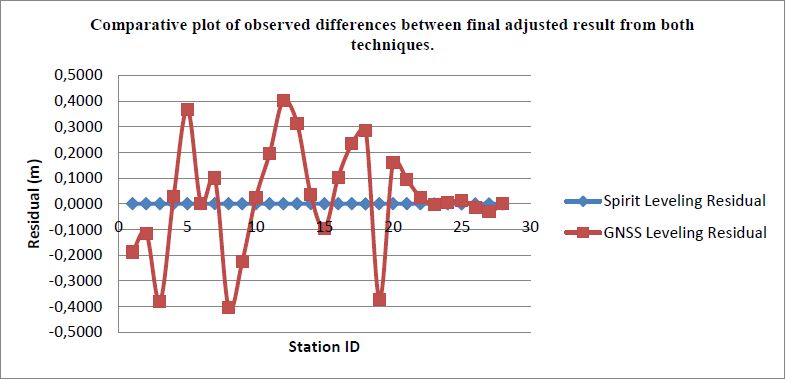
Look at Table 3, the differences in the GNSS heights versus leveling reach up to 0.4 meters, distances about 1 km. Then he goes on to say that the GNSS leveling is basically third order....
This was done supposedly at a University under the guidance of a professor....
Posted : June 5, 2017 8:46 am

Translate
▼
English
Spanish
French
German
Italian
Portuguese
Russian
Chinese
Japanese
Korean
Arabic
Hindi
Dutch
Polish
Turkish
Vietnamese
Thai
Swedish
Danish
Finnish
Norwegian
Czech
Hungarian
Romanian
Greek
Hebrew
Indonesian
Malay
Ukrainian
Bulgarian
Croatian
Slovak
Slovenian
Serbian
Lithuanian
Latvian
Estonian
Interesting, to say the least. There has got to be some major blunder or systematic error at work here.
Posted : June 5, 2017 8:56 am

Translate
▼
English
Spanish
French
German
Italian
Portuguese
Russian
Chinese
Japanese
Korean
Arabic
Hindi
Dutch
Polish
Turkish
Vietnamese
Thai
Swedish
Danish
Finnish
Norwegian
Czech
Hungarian
Romanian
Greek
Hebrew
Indonesian
Malay
Ukrainian
Bulgarian
Croatian
Slovak
Slovenian
Serbian
Lithuanian
Latvian
Estonian
Either his geoid model is garbage, or there's something seriously wrong with his equipment or methods. With 25-minute sessions there's no way you should see differences swinging around like this with a decent geoid model and good procedure.
Posted : June 5, 2017 8:57 am
Translate
▼
English
Spanish
French
German
Italian
Portuguese
Russian
Chinese
Japanese
Korean
Arabic
Hindi
Dutch
Polish
Turkish
Vietnamese
Thai
Swedish
Danish
Finnish
Norwegian
Czech
Hungarian
Romanian
Greek
Hebrew
Indonesian
Malay
Ukrainian
Bulgarian
Croatian
Slovak
Slovenian
Serbian
Lithuanian
Latvian
Estonian
I agree Jim; I immediately thought geoid model but looking at the way that error is bouncing back and forth makes me think procedural error(s).
They don't give enough detail in the paper on there GPS methodology.
Posted : June 5, 2017 8:59 am
Topic starter
Translate
▼
English
Spanish
French
German
Italian
Portuguese
Russian
Chinese
Japanese
Korean
Arabic
Hindi
Dutch
Polish
Turkish
Vietnamese
Thai
Swedish
Danish
Finnish
Norwegian
Czech
Hungarian
Romanian
Greek
Hebrew
Indonesian
Malay
Ukrainian
Bulgarian
Croatian
Slovak
Slovenian
Serbian
Lithuanian
Latvian
Estonian
What really surprised me is that he gave the exact same paper a few years ago, and basically was told then that his GNSS results were garbage. And then he presents the exact same paper again.
And then makes this conclusion:

Posted : June 5, 2017 9:08 am
Translate
▼
English
Spanish
French
German
Italian
Portuguese
Russian
Chinese
Japanese
Korean
Arabic
Hindi
Dutch
Polish
Turkish
Vietnamese
Thai
Swedish
Danish
Finnish
Norwegian
Czech
Hungarian
Romanian
Greek
Hebrew
Indonesian
Malay
Ukrainian
Bulgarian
Croatian
Slovak
Slovenian
Serbian
Lithuanian
Latvian
Estonian
It'd be interesting to see the ellipsoid heights for the GNSS sessions to see if they track the leveling any better. If they do then the geoid model would be the likely culprit; if they don't, then I'd look toward procedure. Having a look at the mark sites might be instructive; there might be a bunch that aren't suitable for satellite observations.
Posted : June 5, 2017 9:22 am
Topic starter
Translate
▼
English
Spanish
French
German
Italian
Portuguese
Russian
Chinese
Japanese
Korean
Arabic
Hindi
Dutch
Polish
Turkish
Vietnamese
Thai
Swedish
Danish
Finnish
Norwegian
Czech
Hungarian
Romanian
Greek
Hebrew
Indonesian
Malay
Ukrainian
Bulgarian
Croatian
Slovak
Slovenian
Serbian
Lithuanian
Latvian
Estonian
He states that they are basically wide open. He says he used "an empirical geoid model". Maybe should have used EGM08.
What gets me is why this would not have raised a red flag with someone...
As an aside, the last few FIG conferences I attended there were an overwhelming number of attendees from Nigeria. Probably more than any other country except for the host country.
We are trying to bring the 2022 FIG congress to Orlando. It will be voted on next year in Istanbul. As far as I know Cape Town, South Africa is the only other city competing for the 2022 hosting. I think we have an excellent chance, the only drawback to the US (it hasn't been in the western hemisphere since 2002 when it was in DC) is Visa issues. Some countries have a hard time getting visitor visas, even before the current administration.
Posted : June 5, 2017 9:26 am

Translate
▼
English
Spanish
French
German
Italian
Portuguese
Russian
Chinese
Japanese
Korean
Arabic
Hindi
Dutch
Polish
Turkish
Vietnamese
Thai
Swedish
Danish
Finnish
Norwegian
Czech
Hungarian
Romanian
Greek
Hebrew
Indonesian
Malay
Ukrainian
Bulgarian
Croatian
Slovak
Slovenian
Serbian
Lithuanian
Latvian
Estonian
I've never seen a geoid model produce elevations that bad: .4m in 1km........It's not even useful so why bother with a paper?
Posted : June 5, 2017 10:10 am

Translate
▼
English
Spanish
French
German
Italian
Portuguese
Russian
Chinese
Japanese
Korean
Arabic
Hindi
Dutch
Polish
Turkish
Vietnamese
Thai
Swedish
Danish
Finnish
Norwegian
Czech
Hungarian
Romanian
Greek
Hebrew
Indonesian
Malay
Ukrainian
Bulgarian
Croatian
Slovak
Slovenian
Serbian
Lithuanian
Latvian
Estonian
There is definitely something screwy with the data/results/procedures/whatever involved. I can't put too much reliance on a paper that has a butt-load of cut-n-paste statistical formulas, and VERY LITTLE metadata (how he actually dun it). Basically...it doesn't pass the sniff test!
Loyal
Posted : June 5, 2017 10:54 am

Translate
▼
English
Spanish
French
German
Italian
Portuguese
Russian
Chinese
Japanese
Korean
Arabic
Hindi
Dutch
Polish
Turkish
Vietnamese
Thai
Swedish
Danish
Finnish
Norwegian
Czech
Hungarian
Romanian
Greek
Hebrew
Indonesian
Malay
Ukrainian
Bulgarian
Croatian
Slovak
Slovenian
Serbian
Lithuanian
Latvian
Estonian
Disappointing that this would somehow get a second lap (let alone a first) as a technical research paper. Would you say this is an outlier, or that papers at FIG meetings are not very well vetted?
Edit: I was at the 2002 FIG in DC, but was only 21. I was pretty impressed at the time.
Posted : June 5, 2017 11:13 am
Topic starter
Translate
▼
English
Spanish
French
German
Italian
Portuguese
Russian
Chinese
Japanese
Korean
Arabic
Hindi
Dutch
Polish
Turkish
Vietnamese
Thai
Swedish
Danish
Finnish
Norwegian
Czech
Hungarian
Romanian
Greek
Hebrew
Indonesian
Malay
Ukrainian
Bulgarian
Croatian
Slovak
Slovenian
Serbian
Lithuanian
Latvian
Estonian
I would call it an outlier. Actually, I spoke to the person who reviewed it before the conference, not sure why he didn't flag it. He was also present at the previous reading. Maybe being politically correct, didn't want to "offend" anyone?
there is a push on to be more inclusive of developing countries. But that should not mean accepting flawed research.
I have gone to many (most) of the FIG conferences since 2006. I missed the one a few years ago (2013) in Abuja, Nigeria. Just didn't feel safe going there. The vote this year was for the location of the 2021 working week. It was between Krakow, Poland and Accra, Ghana. Ghana won the vote. Part of the reason is that they want to have a more global distribution of venues. But, the last one in the western hemisphere was in DC in 2002. Most countries in Latin America do not participate at all, which is sad. We are hoping that having the 2022 conference in Florida will be more attractive to the countries of South America. But that is a vote to take place next year.
I have been to conferences in DC (2002), Munich, Stockholm, Marrakech, Kuala Lumpur, Sydney, Christ Church, Hong Kong, and Rome. The next few years are 2018: Istanbul, 2019: Hanoi; 2020: Amsterdam; 2021: Accra.
Posted : June 5, 2017 11:32 am
Translate
▼
English
Spanish
French
German
Italian
Portuguese
Russian
Chinese
Japanese
Korean
Arabic
Hindi
Dutch
Polish
Turkish
Vietnamese
Thai
Swedish
Danish
Finnish
Norwegian
Czech
Hungarian
Romanian
Greek
Hebrew
Indonesian
Malay
Ukrainian
Bulgarian
Croatian
Slovak
Slovenian
Serbian
Lithuanian
Latvian
Estonian
I don't know if the paper included actual leveling, one of the nice things about GPS and geoid models is that you can find a "bad" bench mark in a series pretty quickly. There are a number that I have identified this way, universally they have been disturbed during construction and reset near the original location. Of course this means levelling from good ones to prove the bad one. Possibly this is what is happening here, the elevation .4m off is one that has been disturbed and the record elevation is being used. Of course, a paper like this should be done using actual current levelling data to "prove" it's conclusions and not rely on record numbers.
Posted : June 5, 2017 11:43 am

Translate
▼
English
Spanish
French
German
Italian
Portuguese
Russian
Chinese
Japanese
Korean
Arabic
Hindi
Dutch
Polish
Turkish
Vietnamese
Thai
Swedish
Danish
Finnish
Norwegian
Czech
Hungarian
Romanian
Greek
Hebrew
Indonesian
Malay
Ukrainian
Bulgarian
Croatian
Slovak
Slovenian
Serbian
Lithuanian
Latvian
Estonian
One possibility on letting it slide is that it might be easier to get a visa when presenting a paper versus attending only.
Posted : June 5, 2017 11:51 am

Translate
▼
English
Spanish
French
German
Italian
Portuguese
Russian
Chinese
Japanese
Korean
Arabic
Hindi
Dutch
Polish
Turkish
Vietnamese
Thai
Swedish
Danish
Finnish
Norwegian
Czech
Hungarian
Romanian
Greek
Hebrew
Indonesian
Malay
Ukrainian
Bulgarian
Croatian
Slovak
Slovenian
Serbian
Lithuanian
Latvian
Estonian
John Hamilton, post: 431090, member: 640 wrote: He states that they are basically wide open. He says he used "an empirical geoid model". Maybe should have used EGM08.
What gets me is why this would not have raised a red flag with someone...
As an aside, the last few FIG conferences I attended there were an overwhelming number of attendees from Nigeria. Probably more than any other country except for the host country.
We are trying to bring the 2022 FIG congress to Orlando. It will be voted on next year in Istanbul. As far as I know Cape Town, South Africa is the only other city competing for the 2022 hosting. I think we have an excellent chance, the only drawback to the US (it hasn't been in the western hemisphere since 2002 when it was in DC) is Visa issues. Some countries have a hard time getting visitor visas, even before the current administration.
I remember back before ground models were available. Include enough BMs in the network adjustment (GeoLab) and solve for 7 parameter transformations. Model to terrestrial observations. Dr Jim Collins presented "Solving for Tip and Tilt" back in '91. We got very good ortho hgts, absent any geoid model, from the start. Nothing like 40 cm.
40 cm sounds like the warnings against gps elevations a long time ago.
Posted : June 5, 2017 6:56 pm