Reading RPLS is free for the whole profession. Members post, reply, and get the members-only rooms.

Notifications
Clear all
Strictly Surveying
19
Posts
9
Users
0
Reactions
941
Views

Topic starter
Translate
▼
English
Spanish
French
German
Italian
Portuguese
Russian
Chinese
Japanese
Korean
Arabic
Hindi
Dutch
Polish
Turkish
Vietnamese
Thai
Swedish
Danish
Finnish
Norwegian
Czech
Hungarian
Romanian
Greek
Hebrew
Indonesian
Malay
Ukrainian
Bulgarian
Croatian
Slovak
Slovenian
Serbian
Lithuanian
Latvian
Estonian
While driving along U.S. Highway 160 just west of I-25 on Friday, I saw a crew with a digital level along side the highway and counted seven GPS units about 2 miles apart. On Saturday the level crew had advanced about 6 miles but the GPS units were still on the same monuments on Sunday. I stopped and took these pictures. Last year my son ran into a crew setting these monuments about 90 miles west of this location, he said they told him they were working for NGS. Just wondering if anybody in Colorado knew anything about this, or if anyone knows where I can find any information. I should have stopped and talked to the crew. Well I guess I still can, they should be in my area in about a week or two
Posted : June 4, 2017 10:50 pm

Translate
▼
English
Spanish
French
German
Italian
Portuguese
Russian
Chinese
Japanese
Korean
Arabic
Hindi
Dutch
Polish
Turkish
Vietnamese
Thai
Swedish
Danish
Finnish
Norwegian
Czech
Hungarian
Romanian
Greek
Hebrew
Indonesian
Malay
Ukrainian
Bulgarian
Croatian
Slovak
Slovenian
Serbian
Lithuanian
Latvian
Estonian
Yes, this is an NGS project that Pam Fromhertz, NGS Rocky Mountain Regional Geodetic Advisor and Dr. Derek van Westrum gave a presentation in February at the PLSC Conference. It is the third geoid slope validation survey conducted by the NGS. Here is the title and abstract of their talk.
The Geoid Slope Validation Survey 2017, Walsenburg ? Durango, CO: The basis to evaluate the new vertical datum in mountainous terrain
Abstract:
NGS is conducting the third of three extensive field campaigns called Geoid Slope Validation Surveys. Two have already been completed and the last one is being conducted here in Colorado from Walsenburg to Durango in 2017. Marks have already been set every mile along US 160. GPS, gravity, 1st order leveling and Deflection of the Vertical data will be collected all along this route.NGS is planning on new datums to be implemented around 2022. Both horizontal and vertical will differ by nearly a meter here in Colorado. The new vertical datum will be based on a gravity survey, GRAV?D. The GSVS will validate the method of the new vertical datum. Here in the mountains it will be interesting to see how well things fit. In this talk we will discuss the new datums and the GSVS campaigns.
I don't have a link to the particulars of this survey, but I imagine it will be similar to the earlier surveys. Pam Fromhertz's contact info can be found https://www.ngs.noaa.gov/ADVISORS/&apos ;">here.
The first survey was done in Texas in 2011 and the second in Iowa in 2014. Here are links to the NGS home pages for the two previous surveys.
https://www.ngs.noaa.gov/GEOID/GSVS11/
https://geodesy.noaa.gov/GEOID/GSVS14/
Posted : June 5, 2017 12:33 am
Topic starter
Translate
▼
English
Spanish
French
German
Italian
Portuguese
Russian
Chinese
Japanese
Korean
Arabic
Hindi
Dutch
Polish
Turkish
Vietnamese
Thai
Swedish
Danish
Finnish
Norwegian
Czech
Hungarian
Romanian
Greek
Hebrew
Indonesian
Malay
Ukrainian
Bulgarian
Croatian
Slovak
Slovenian
Serbian
Lithuanian
Latvian
Estonian
Thanks for the info
Posted : June 5, 2017 7:24 pm

Translate
▼
English
Spanish
French
German
Italian
Portuguese
Russian
Chinese
Japanese
Korean
Arabic
Hindi
Dutch
Polish
Turkish
Vietnamese
Thai
Swedish
Danish
Finnish
Norwegian
Czech
Hungarian
Romanian
Greek
Hebrew
Indonesian
Malay
Ukrainian
Bulgarian
Croatian
Slovak
Slovenian
Serbian
Lithuanian
Latvian
Estonian
Some additional info here:
geodesy.noaa.gov/web/science_edu/presentations_library/files/gsvs17-backgroundstatus-201601.ppt
I can't wait to see the results of this baby!
Loyal
Posted : June 5, 2017 8:00 pm
Translate
▼
English
Spanish
French
German
Italian
Portuguese
Russian
Chinese
Japanese
Korean
Arabic
Hindi
Dutch
Polish
Turkish
Vietnamese
Thai
Swedish
Danish
Finnish
Norwegian
Czech
Hungarian
Romanian
Greek
Hebrew
Indonesian
Malay
Ukrainian
Bulgarian
Croatian
Slovak
Slovenian
Serbian
Lithuanian
Latvian
Estonian
Thanks for the link to the PowerPoint presentation, Loyal. This should be interesting indeed. The survey goes over two mountain passes, La Veta and Wolf Creek. The last two bullets of the summary slide are telling. I can't wait to see the results either! It will probably be 8 years before I can apply the new model in other mountainous areas of Colorado.
? To date, two such surveys have been conducted successfully in reasonably flat terrain.
? Colorado has now been selected for a final, challenging test.
Posted : June 5, 2017 8:35 pm

Translate
▼
English
Spanish
French
German
Italian
Portuguese
Russian
Chinese
Japanese
Korean
Arabic
Hindi
Dutch
Polish
Turkish
Vietnamese
Thai
Swedish
Danish
Finnish
Norwegian
Czech
Hungarian
Romanian
Greek
Hebrew
Indonesian
Malay
Ukrainian
Bulgarian
Croatian
Slovak
Slovenian
Serbian
Lithuanian
Latvian
Estonian
Here's what they are using. I can even see several of the concrete rings on Google Earth.
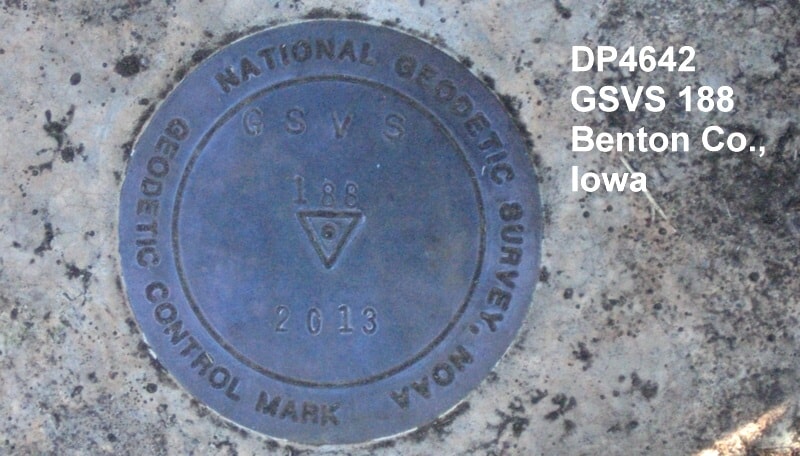
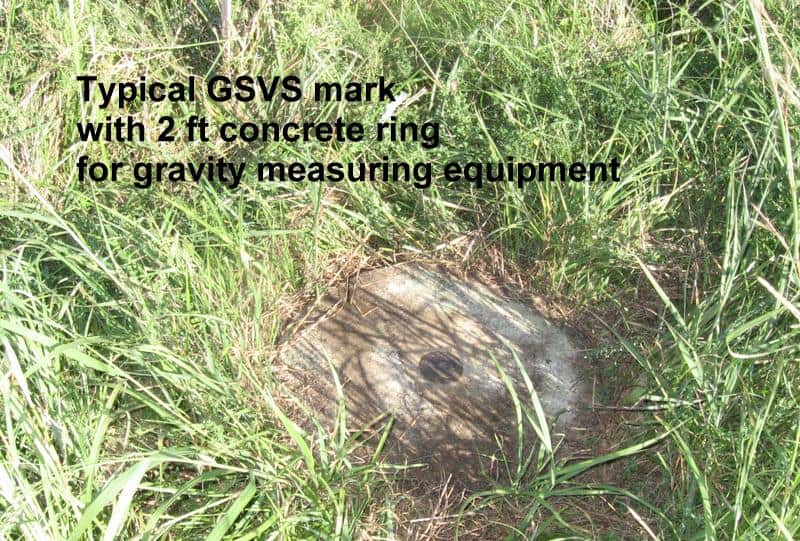
Posted : June 6, 2017 7:45 am

Translate
▼
English
Spanish
French
German
Italian
Portuguese
Russian
Chinese
Japanese
Korean
Arabic
Hindi
Dutch
Polish
Turkish
Vietnamese
Thai
Swedish
Danish
Finnish
Norwegian
Czech
Hungarian
Romanian
Greek
Hebrew
Indonesian
Malay
Ukrainian
Bulgarian
Croatian
Slovak
Slovenian
Serbian
Lithuanian
Latvian
Estonian
Had no idea, but one of those is a stone's throw from my house. Was gonna stop by and snap a pic on the way home yesterday, but got caught in a monsoon on the moto. I should be able to go visit A1521 this afternoon.
Posted : June 6, 2017 7:56 am
Translate
▼
English
Spanish
French
German
Italian
Portuguese
Russian
Chinese
Japanese
Korean
Arabic
Hindi
Dutch
Polish
Turkish
Vietnamese
Thai
Swedish
Danish
Finnish
Norwegian
Czech
Hungarian
Romanian
Greek
Hebrew
Indonesian
Malay
Ukrainian
Bulgarian
Croatian
Slovak
Slovenian
Serbian
Lithuanian
Latvian
Estonian

From the 2011 Texas line run. Set in the base of either an old street lamp or a payphone. About 4-500' from the house where my daughter was born. Funny reading the report from that line- apparently our de rigeur summer weather made a big impression on those NGS fellas.
Posted : June 6, 2017 6:32 pm
Translate
▼
English
Spanish
French
German
Italian
Portuguese
Russian
Chinese
Japanese
Korean
Arabic
Hindi
Dutch
Polish
Turkish
Vietnamese
Thai
Swedish
Danish
Finnish
Norwegian
Czech
Hungarian
Romanian
Greek
Hebrew
Indonesian
Malay
Ukrainian
Bulgarian
Croatian
Slovak
Slovenian
Serbian
Lithuanian
Latvian
Estonian
That's https://www.ngs.noaa.gov/cgi-bin/ds_mark.prl?PidBox=DN7654
Surprisingly, there's also another A 1521 in Texas, AE6984 with a totally different description.
Posted : June 6, 2017 9:04 pm

Translate
▼
English
Spanish
French
German
Italian
Portuguese
Russian
Chinese
Japanese
Korean
Arabic
Hindi
Dutch
Polish
Turkish
Vietnamese
Thai
Swedish
Danish
Finnish
Norwegian
Czech
Hungarian
Romanian
Greek
Hebrew
Indonesian
Malay
Ukrainian
Bulgarian
Croatian
Slovak
Slovenian
Serbian
Lithuanian
Latvian
Estonian
I was driving down US 160 today heading to Durango from Pagosa Springs. I saw the GPS units setup in the ROW. It was then that I realized that this thread was talking about this project. Very nice drive. Small world.
Sent from my SAMSUNG-SM-N920A using Tapatalk
Posted : June 7, 2017 9:48 pm

Translate
▼
English
Spanish
French
German
Italian
Portuguese
Russian
Chinese
Japanese
Korean
Arabic
Hindi
Dutch
Polish
Turkish
Vietnamese
Thai
Swedish
Danish
Finnish
Norwegian
Czech
Hungarian
Romanian
Greek
Hebrew
Indonesian
Malay
Ukrainian
Bulgarian
Croatian
Slovak
Slovenian
Serbian
Lithuanian
Latvian
Estonian
Two things I found interesting upon reviewing the PowerPoint:
1. NGS appears to have abandoned the idea of motorized leveling.
2. They appear to be using poured-in-place concrete marks instead of driven rod marks.
Posted : June 7, 2017 10:58 pm

Translate
▼
English
Spanish
French
German
Italian
Portuguese
Russian
Chinese
Japanese
Korean
Arabic
Hindi
Dutch
Polish
Turkish
Vietnamese
Thai
Swedish
Danish
Finnish
Norwegian
Czech
Hungarian
Romanian
Greek
Hebrew
Indonesian
Malay
Ukrainian
Bulgarian
Croatian
Slovak
Slovenian
Serbian
Lithuanian
Latvian
Estonian
Jim Frame, post: 431612, member: 10 wrote: Two things I found interesting upon reviewing the PowerPoint:
1. NGS appears to have abandoned the idea of motorized leveling.
2. They appear to be using poured-in-place concrete marks instead of driven rod marks.
Interesting they would not drive rods to refusal. I would like to know more about how they arrived at this decision.
Sent from my iPhone using Tapatalk
Posted : June 8, 2017 5:04 am
Translate
▼
English
Spanish
French
German
Italian
Portuguese
Russian
Chinese
Japanese
Korean
Arabic
Hindi
Dutch
Polish
Turkish
Vietnamese
Thai
Swedish
Danish
Finnish
Norwegian
Czech
Hungarian
Romanian
Greek
Hebrew
Indonesian
Malay
Ukrainian
Bulgarian
Croatian
Slovak
Slovenian
Serbian
Lithuanian
Latvian
Estonian
BushAxe, post: 431622, member: 11897 wrote: Interesting they would not drive rods to refusal. I would like to know more about how they arrived at this decision.
I wonder if the presence of a deep SS or AL rod somehow messes with the gravimeter.
Posted : June 8, 2017 7:53 am

Translate
▼
English
Spanish
French
German
Italian
Portuguese
Russian
Chinese
Japanese
Korean
Arabic
Hindi
Dutch
Polish
Turkish
Vietnamese
Thai
Swedish
Danish
Finnish
Norwegian
Czech
Hungarian
Romanian
Greek
Hebrew
Indonesian
Malay
Ukrainian
Bulgarian
Croatian
Slovak
Slovenian
Serbian
Lithuanian
Latvian
Estonian
I believe all of the marks were set with the assistance of a crew(s) from the Colorado DOT and allowed to settle over at least one winter. Some marks were set in 2015 and went through two seasons before being occupied for this campaign. The previous results from the Geoid Slope Validation projects in Texas (first and easiest) and Iowa have been quite impressive. Gene provided some excellent links above, and as said, Pam Fromhertz would be the best contact if anyone wants to know more.
Posted : June 8, 2017 8:39 am
Translate
▼
English
Spanish
French
German
Italian
Portuguese
Russian
Chinese
Japanese
Korean
Arabic
Hindi
Dutch
Polish
Turkish
Vietnamese
Thai
Swedish
Danish
Finnish
Norwegian
Czech
Hungarian
Romanian
Greek
Hebrew
Indonesian
Malay
Ukrainian
Bulgarian
Croatian
Slovak
Slovenian
Serbian
Lithuanian
Latvian
Estonian
BushAxe, post: 431622, member: 11897 wrote: I would like to know more about how they arrived at this decision.
Here's my guess:
They want the 2-ft concrete base for the equipment.
If they are pouring concrete anyway, it's easier and cheaper to pour a post than to drive a rod AND pour a ring.
Although the rod would be more stable in the long term, they don't expect people to rely on passive marks in the long term.
What surprised me, knowing very little about gravity distribution, was how close the spacing was.
Posted : June 8, 2017 8:48 am
Translate
▼
English
Spanish
French
German
Italian
Portuguese
Russian
Chinese
Japanese
Korean
Arabic
Hindi
Dutch
Polish
Turkish
Vietnamese
Thai
Swedish
Danish
Finnish
Norwegian
Czech
Hungarian
Romanian
Greek
Hebrew
Indonesian
Malay
Ukrainian
Bulgarian
Croatian
Slovak
Slovenian
Serbian
Lithuanian
Latvian
Estonian
Bill93, post: 431661, member: 87 wrote: Although the rod would be more stable in the long term, they don't expect people to rely on passive marks in the long term.
I hadn't thought about the transient nature of those points, so I think you're right. They don't need long-term stability for those.
With regard to the concrete part, a driven rod is almost always accompanied by concrete around the PVC sleeve and surface access cap, so mixing concrete is just part of the deal. When I first started installing those we would hand-mix the concrete, but after awhile I decided that it's easier to haul a portable mixer along. It's been a few years, but my recollection is that it takes 6 each 60 lb. sacks of dry mix to surround a 6"x 4' sleeve in a 12" hole.
Posted : June 8, 2017 9:21 am
Translate
▼
English
Spanish
French
German
Italian
Portuguese
Russian
Chinese
Japanese
Korean
Arabic
Hindi
Dutch
Polish
Turkish
Vietnamese
Thai
Swedish
Danish
Finnish
Norwegian
Czech
Hungarian
Romanian
Greek
Hebrew
Indonesian
Malay
Ukrainian
Bulgarian
Croatian
Slovak
Slovenian
Serbian
Lithuanian
Latvian
Estonian
Bill93, post: 431661, member: 87 wrote: Here's my guess:
They want the 2-ft concrete base for the equipment.
If they are pouring concrete anyway, it's easier and cheaper to pour a post than to drive a rod AND pour a ring.
Although the rod would be more stable in the long term, they don't expect people to rely on passive marks in the long term.What surprised me, knowing very little about gravity distribution, was how close the spacing was.
I asked Pam Fromhertz about the monuments. Her reply is that it is a research project and not intended for the NSRS. The project has 2 monument types. The standard monument is a concrete mark, averaging 1'x4'. That was likely a cost-saving decision. On average, every 10th monument is a rod driven to refusal. All stations will have GPS, leveling and a gravimeter observation. They need to be stable for the gravimeter.
Posted : June 8, 2017 2:42 pm
Translate
▼
English
Spanish
French
German
Italian
Portuguese
Russian
Chinese
Japanese
Korean
Arabic
Hindi
Dutch
Polish
Turkish
Vietnamese
Thai
Swedish
Danish
Finnish
Norwegian
Czech
Hungarian
Romanian
Greek
Hebrew
Indonesian
Malay
Ukrainian
Bulgarian
Croatian
Slovak
Slovenian
Serbian
Lithuanian
Latvian
Estonian
Gene Kooper, post: 431720, member: 9850 wrote: not intended for the NSRS
All 200-plus stations in the Iowa GSVS have NSRS data sheets with PIDs, such as
https://www.ngs.noaa.gov/cgi-bin/ds_mark.prl?PidBox=DP4644
I haven't checked, but probably a similar ratio of rods to posts.
Posted : June 8, 2017 2:55 pm
Translate
▼
English
Spanish
French
German
Italian
Portuguese
Russian
Chinese
Japanese
Korean
Arabic
Hindi
Dutch
Polish
Turkish
Vietnamese
Thai
Swedish
Danish
Finnish
Norwegian
Czech
Hungarian
Romanian
Greek
Hebrew
Indonesian
Malay
Ukrainian
Bulgarian
Croatian
Slovak
Slovenian
Serbian
Lithuanian
Latvian
Estonian
Bill,
I imagine that this survey will follow the procedures of the earlier two and have NGS data sheets and PIDs. At least I hope so.
Posted : June 8, 2017 5:50 pm