Reading RPLS is free for the whole profession. Members post, reply, and get the members-only rooms.

Notifications
Clear all
Strictly Surveying
13
Posts
10
Users
0
Reactions
533
Views

Topic starter
Translate
▼
English
Spanish
French
German
Italian
Portuguese
Russian
Chinese
Japanese
Korean
Arabic
Hindi
Dutch
Polish
Turkish
Vietnamese
Thai
Swedish
Danish
Finnish
Norwegian
Czech
Hungarian
Romanian
Greek
Hebrew
Indonesian
Malay
Ukrainian
Bulgarian
Croatian
Slovak
Slovenian
Serbian
Lithuanian
Latvian
Estonian
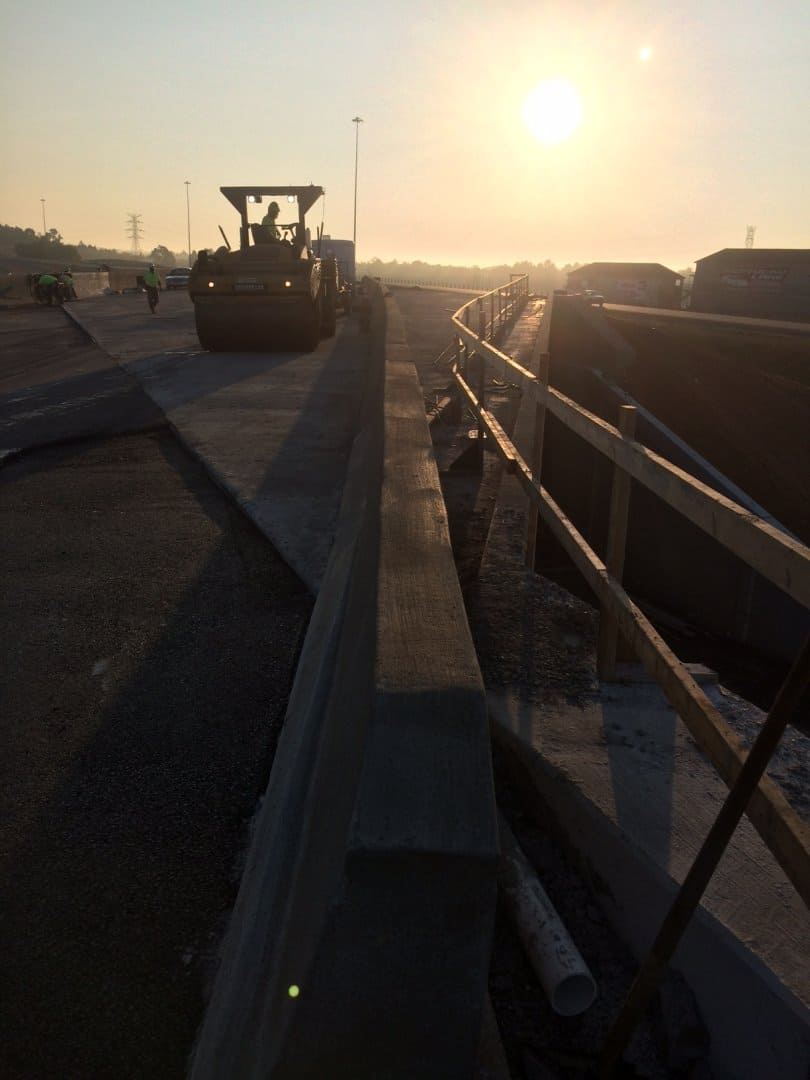
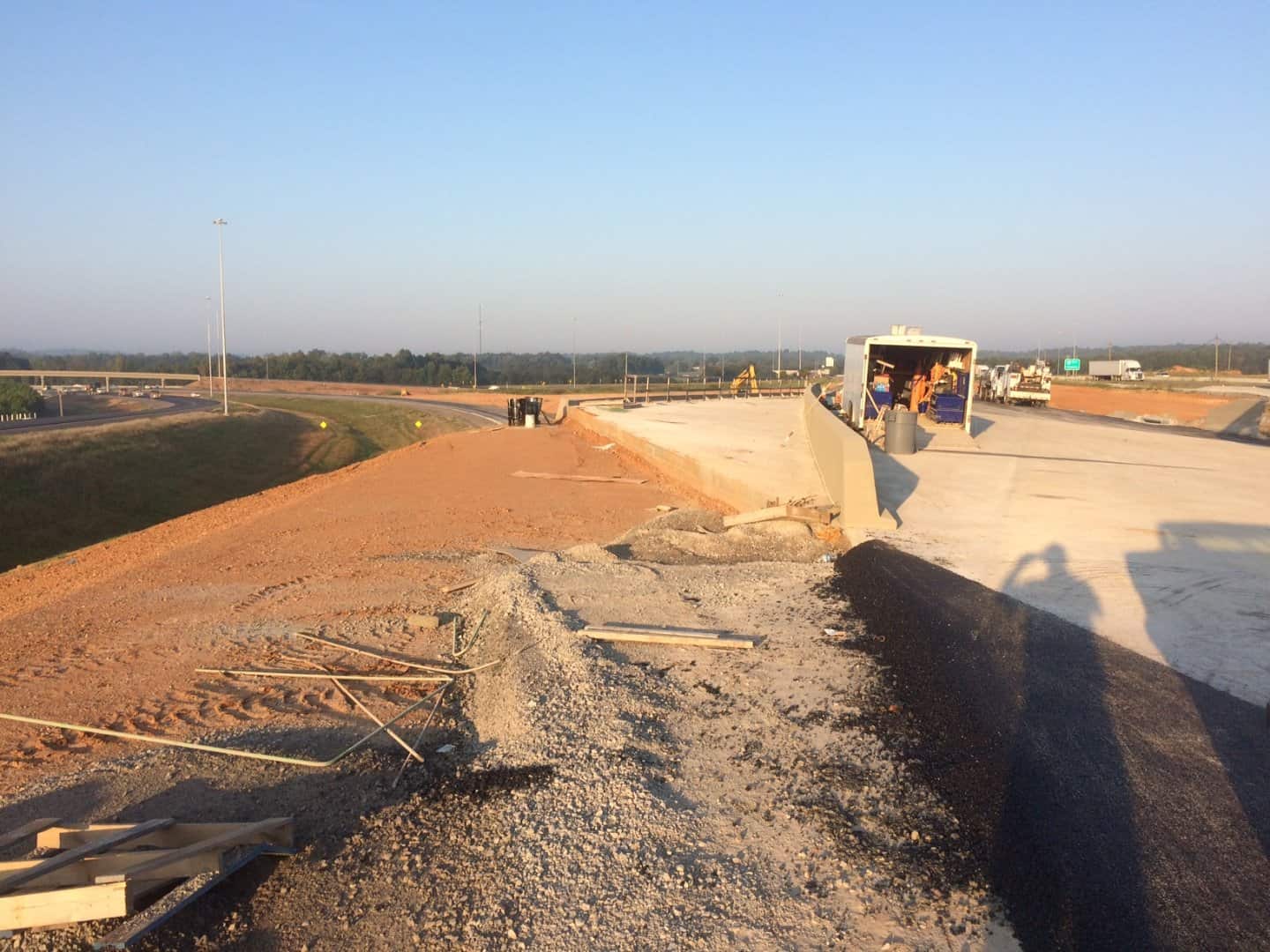
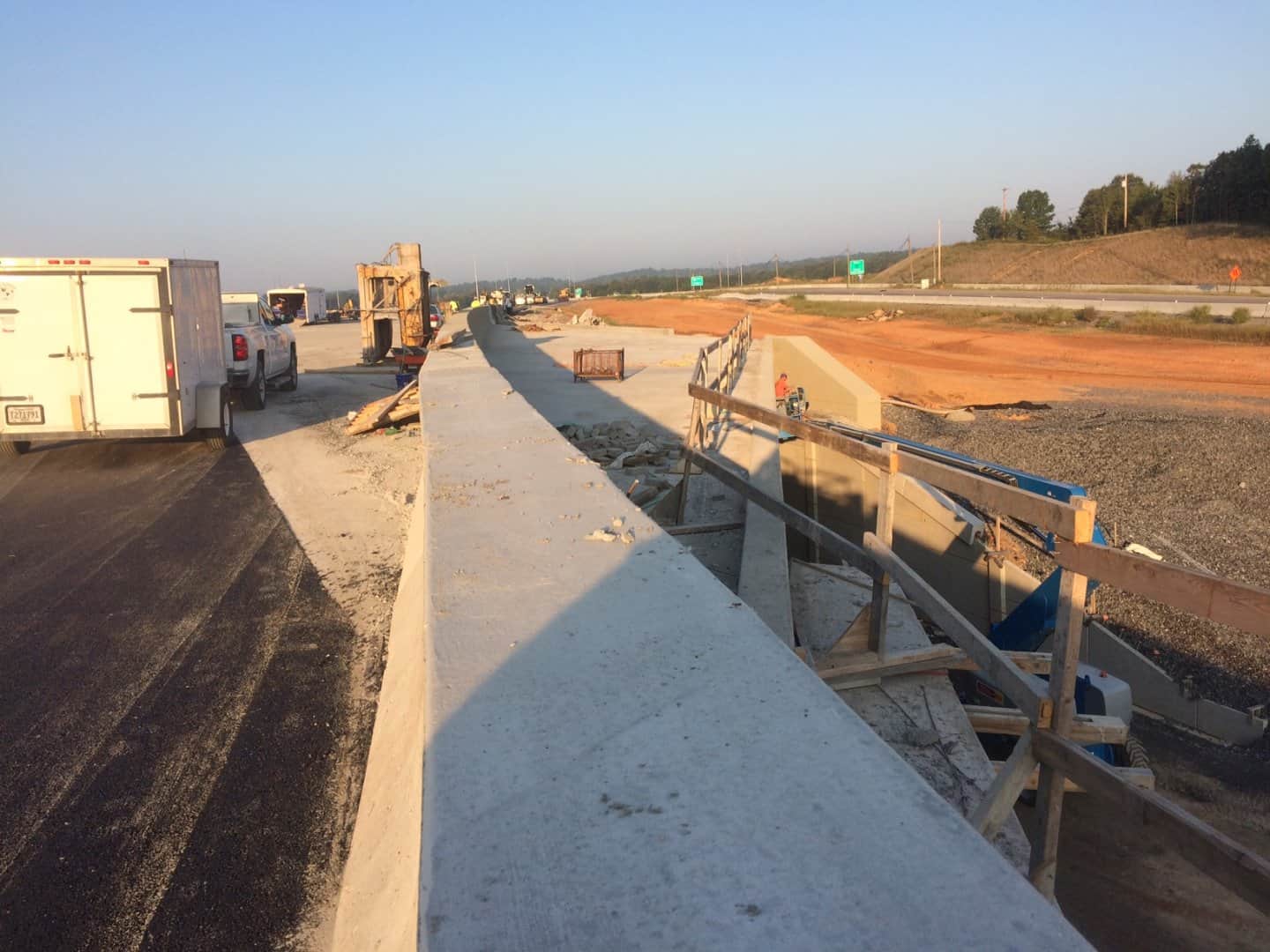 Yes, I staked it.
Posted : September 23, 2017 8:05 pm

Translate
▼
English
Spanish
French
German
Italian
Portuguese
Russian
Chinese
Japanese
Korean
Arabic
Hindi
Dutch
Polish
Turkish
Vietnamese
Thai
Swedish
Danish
Finnish
Norwegian
Czech
Hungarian
Romanian
Greek
Hebrew
Indonesian
Malay
Ukrainian
Bulgarian
Croatian
Slovak
Slovenian
Serbian
Lithuanian
Latvian
Estonian
Beats me, but I'll bet that more than one Engineer was involved.
😉
Posted : September 23, 2017 8:11 pm

Translate
▼
English
Spanish
French
German
Italian
Portuguese
Russian
Chinese
Japanese
Korean
Arabic
Hindi
Dutch
Polish
Turkish
Vietnamese
Thai
Swedish
Danish
Finnish
Norwegian
Czech
Hungarian
Romanian
Greek
Hebrew
Indonesian
Malay
Ukrainian
Bulgarian
Croatian
Slovak
Slovenian
Serbian
Lithuanian
Latvian
Estonian
Change order
Posted : September 23, 2017 8:22 pm

Translate
▼
English
Spanish
French
German
Italian
Portuguese
Russian
Chinese
Japanese
Korean
Arabic
Hindi
Dutch
Polish
Turkish
Vietnamese
Thai
Swedish
Danish
Finnish
Norwegian
Czech
Hungarian
Romanian
Greek
Hebrew
Indonesian
Malay
Ukrainian
Bulgarian
Croatian
Slovak
Slovenian
Serbian
Lithuanian
Latvian
Estonian
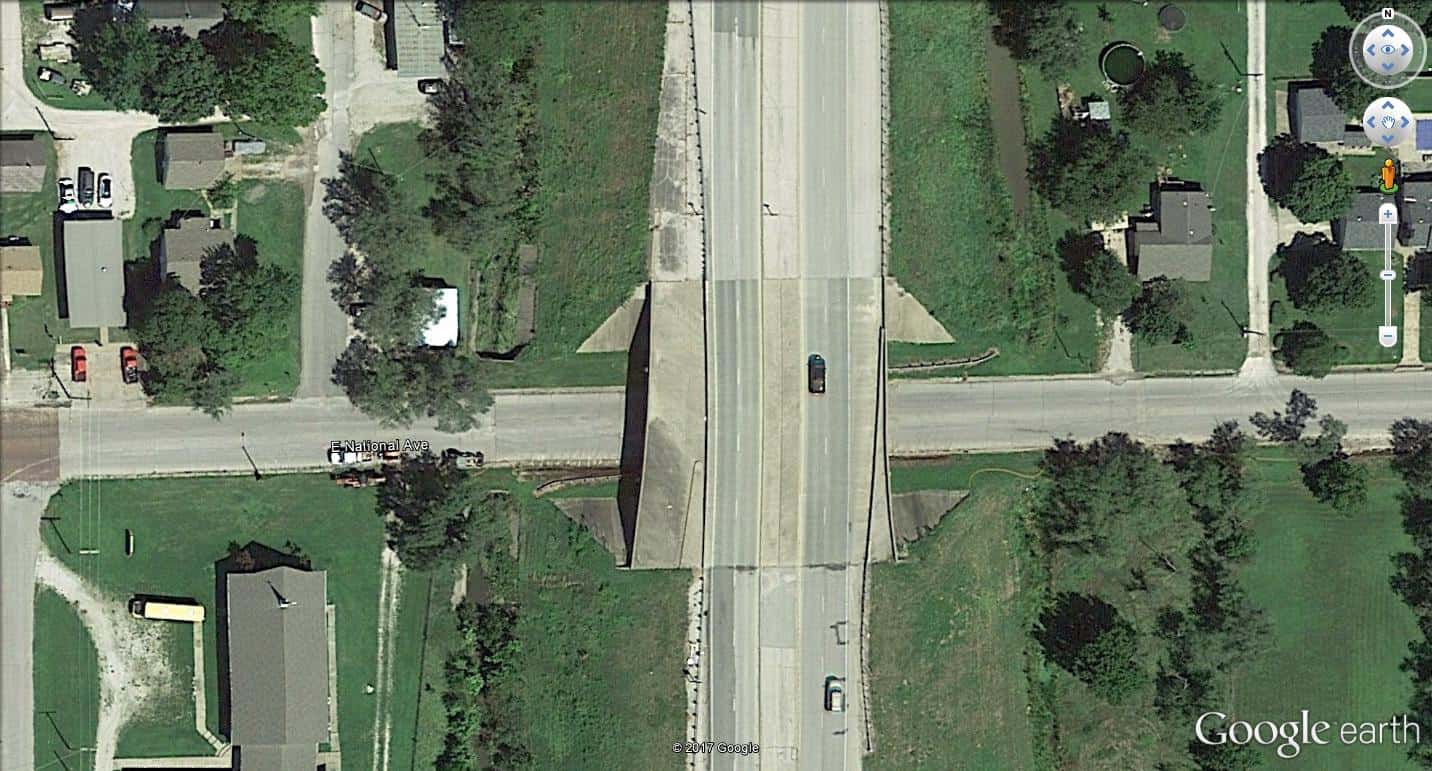
We have one something like that not too far from here dating to the early or mid 1960's. The original plans said do it this way. When a certain well-heeled local business man realized how this alignment would create problems for his firm he spent a great deal of time and a bunch of "grease" with the fellows in the state legislature. Suddenly, a realignment was called for, but the overpass had already been built.
Posted : September 23, 2017 8:28 pm

Translate
▼
English
Spanish
French
German
Italian
Portuguese
Russian
Chinese
Japanese
Korean
Arabic
Hindi
Dutch
Polish
Turkish
Vietnamese
Thai
Swedish
Danish
Finnish
Norwegian
Czech
Hungarian
Romanian
Greek
Hebrew
Indonesian
Malay
Ukrainian
Bulgarian
Croatian
Slovak
Slovenian
Serbian
Lithuanian
Latvian
Estonian
They're preparing to shift the traffic lanes from the part they're working on to the part they're going to work on. The only curious thing about the "Jersey barriers" is that they're not segmented. Perhaps they molded them in one piece because they think the construction will take another year or more. Go figure.
Posted : September 24, 2017 4:50 am

Translate
▼
English
Spanish
French
German
Italian
Portuguese
Russian
Chinese
Japanese
Korean
Arabic
Hindi
Dutch
Polish
Turkish
Vietnamese
Thai
Swedish
Danish
Finnish
Norwegian
Czech
Hungarian
Romanian
Greek
Hebrew
Indonesian
Malay
Ukrainian
Bulgarian
Croatian
Slovak
Slovenian
Serbian
Lithuanian
Latvian
Estonian
Some sort of intermediate (versus LONG-term) configuration, perhaps...?
Another possibility... they may have had some very costly R/W acquisition issues, e.g., toxic landfill, etc. and abandoned the original concept even though construction had already occurred. Good head-scratcher, for sure.
The only superior evidence is that which you haven't yet found.
Posted : September 24, 2017 5:32 am
Translate
▼
English
Spanish
French
German
Italian
Portuguese
Russian
Chinese
Japanese
Korean
Arabic
Hindi
Dutch
Polish
Turkish
Vietnamese
Thai
Swedish
Danish
Finnish
Norwegian
Czech
Hungarian
Romanian
Greek
Hebrew
Indonesian
Malay
Ukrainian
Bulgarian
Croatian
Slovak
Slovenian
Serbian
Lithuanian
Latvian
Estonian
Perhaps a multi-phase project where some sort of realignment was required due to, e.g., costly unforeseen R/W acquisition issues, intermediate but long-duration configuration, etc.
The only superior evidence is that which you haven't yet found.
Posted : September 24, 2017 5:42 am

Translate
▼
English
Spanish
French
German
Italian
Portuguese
Russian
Chinese
Japanese
Korean
Arabic
Hindi
Dutch
Polish
Turkish
Vietnamese
Thai
Swedish
Danish
Finnish
Norwegian
Czech
Hungarian
Romanian
Greek
Hebrew
Indonesian
Malay
Ukrainian
Bulgarian
Croatian
Slovak
Slovenian
Serbian
Lithuanian
Latvian
Estonian
On the third pic whoever is operating the slipform machine either needs to seriously recalibrate it or be drug tested. 😎
That or somebody on site is adding too much water to the concrete.
Posted : September 24, 2017 6:58 am

Translate
▼
English
Spanish
French
German
Italian
Portuguese
Russian
Chinese
Japanese
Korean
Arabic
Hindi
Dutch
Polish
Turkish
Vietnamese
Thai
Swedish
Danish
Finnish
Norwegian
Czech
Hungarian
Romanian
Greek
Hebrew
Indonesian
Malay
Ukrainian
Bulgarian
Croatian
Slovak
Slovenian
Serbian
Lithuanian
Latvian
Estonian
FL/GA PLS., post: 448110, member: 379 wrote: On the third pic whoever is operating the slipform machine either needs to seriously recalibrate it or be drug tested. 😎
That or somebody on site is adding too much water to the concrete.
Everyone uses too much water in thier concrete..
Posted : September 24, 2017 9:20 am
Translate
▼
English
Spanish
French
German
Italian
Portuguese
Russian
Chinese
Japanese
Korean
Arabic
Hindi
Dutch
Polish
Turkish
Vietnamese
Thai
Swedish
Danish
Finnish
Norwegian
Czech
Hungarian
Romanian
Greek
Hebrew
Indonesian
Malay
Ukrainian
Bulgarian
Croatian
Slovak
Slovenian
Serbian
Lithuanian
Latvian
Estonian
thebionicman, post: 448121, member: 8136 wrote: Everyone uses too much water in thier concrete..
I believe that! It's because the finishers bitch that it's too hard to work with before the pour. You ought to watch them pour slabs for new housing construction down here. The amount of water added to the mix reduces it from 3-4K psi to about 1K psi. 😎
Posted : September 24, 2017 12:15 pm
Topic starter
Translate
▼
English
Spanish
French
German
Italian
Portuguese
Russian
Chinese
Japanese
Korean
Arabic
Hindi
Dutch
Polish
Turkish
Vietnamese
Thai
Swedish
Danish
Finnish
Norwegian
Czech
Hungarian
Romanian
Greek
Hebrew
Indonesian
Malay
Ukrainian
Bulgarian
Croatian
Slovak
Slovenian
Serbian
Lithuanian
Latvian
Estonian
Here's the skinny as I understand it.
This is the new intersection between existing I24 and new I69 at Calvert City, Ky. I69 runs southwest with I24 until it splits off here and goes toward Memphis along the former Purchase Parkway, which is being upgraded to Interstate standards. There was a cloverleaf here, but the intersection is being upgraded to eliminate that and have thru traffic for both interstates with no slowdowns. The bridge is where eastbound 24 crosses over southbound 69. 24 is 49.5' between the barrier walls, and 69 is 55' wide with vertical MSE walls under the bridge. They cross at about a 60 degree angle, which makes the bridge 238' end to end along the centerline. In order to span that distance they couldn't economically use concrete beams, and steel beams would have had to be so tall that the grades wouldn't work with the available R/W and constraints at each end. So, they designed it with 135' concrete beams and turned them cattywompus to the road. Looks screwy, but they say it's the best option they could come up with.
Posted : September 24, 2017 4:56 pm

Translate
▼
English
Spanish
French
German
Italian
Portuguese
Russian
Chinese
Japanese
Korean
Arabic
Hindi
Dutch
Polish
Turkish
Vietnamese
Thai
Swedish
Danish
Finnish
Norwegian
Czech
Hungarian
Romanian
Greek
Hebrew
Indonesian
Malay
Ukrainian
Bulgarian
Croatian
Slovak
Slovenian
Serbian
Lithuanian
Latvian
Estonian
I bet it's a pain to figure deflection grades on that one!
James
Posted : September 24, 2017 7:00 pm

Translate
▼
English
Spanish
French
German
Italian
Portuguese
Russian
Chinese
Japanese
Korean
Arabic
Hindi
Dutch
Polish
Turkish
Vietnamese
Thai
Swedish
Danish
Finnish
Norwegian
Czech
Hungarian
Romanian
Greek
Hebrew
Indonesian
Malay
Ukrainian
Bulgarian
Croatian
Slovak
Slovenian
Serbian
Lithuanian
Latvian
Estonian
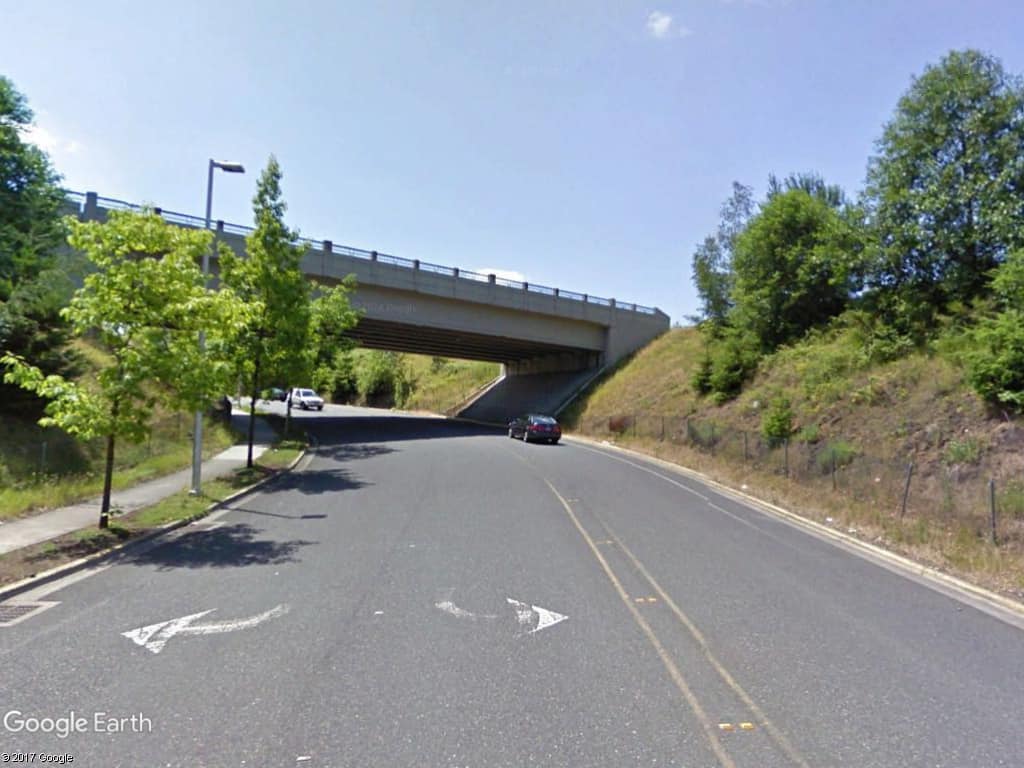
Here is my favorite. This over-pass was built in the mid 90's as part of Portland's west side light rail. It never has or ever will have a purpose. 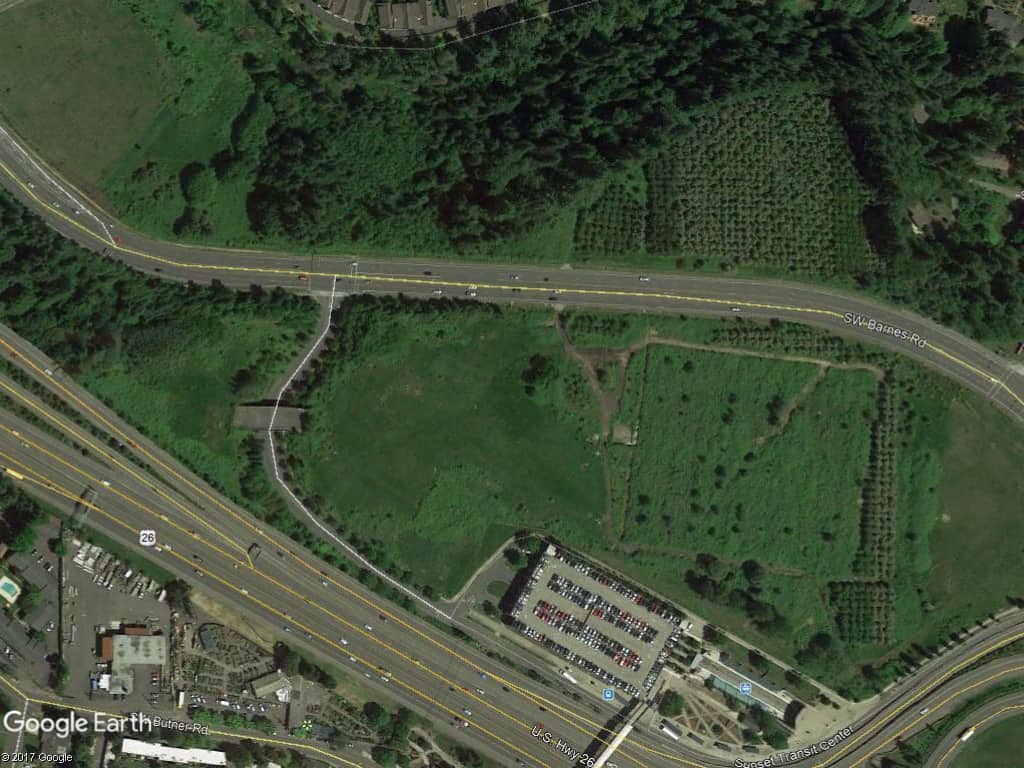
Posted : October 2, 2017 5:46 pm