Reading RPLS is free for the whole profession. Members post, reply, and get the members-only rooms.

Notifications
Clear all
Strictly Surveying
7
Posts
5
Users
0
Reactions
866
Views

Topic starter
Translate
▼
English
Spanish
French
German
Italian
Portuguese
Russian
Chinese
Japanese
Korean
Arabic
Hindi
Dutch
Polish
Turkish
Vietnamese
Thai
Swedish
Danish
Finnish
Norwegian
Czech
Hungarian
Romanian
Greek
Hebrew
Indonesian
Malay
Ukrainian
Bulgarian
Croatian
Slovak
Slovenian
Serbian
Lithuanian
Latvian
Estonian
Today, as I write this I am in Bend, Oregon. I had the privilege of traveling from East Texas to this beautiful mountain valley to demonstrate the Javad Triumph-LS to the Oregon GPS Users Group. (At the meeting they voted to change their name to Oregon GNSS Users Group).
First, I have to say this is a very fine organization. It's composed of GNSS users, mostly surveyor from what I could see, with serious participation and involvement from the Oregon Department of Transportation (ODOT) and the NGS state advisor, Mark Armstrong. ODOT provides a very well maintained GNSS network: ORGN. These individuals meet twice a year to discuss all things GPS. At this meeting, there were presentations on ITRF compared to NAD83, the ORGN and the Oregon Coordinate Reference System (which has been recently updated to include low distortion projections for the entire State of Oregon). I truly appreciate seeing geospatial professionals with a passion for learning and improving their services. I was able to meet John Minor, a member of this forum and devoted volunteer for many years to OGUG. I also met Shelby Griggs and Scott Freshwaters whom I've known for years on the internet and was now able to meet in person.
I was there to demonstrate the Javad Triumph-LS. There was a course of 11 points that were surveyed by RTK connected to the RTN. Two points were in challenging canopy and were placed by total station from points in the open.
I created a base point using the RTN and then setup the Triumph-2 on this point so that I could demonstrate beast mode and post processing using my own base. The first point was under dense maple tree canopy. I set the LS to require 20 independent fixes with a minimum of 3 minutes observation and a validation (new fix) at the end (all with a minimum of 2 engines required). The first attempt at this point required 13 minutes. I was also collecting raw data with this point. The second attempt required only 3 minutes and 4 seconds. This was back to back.
I then collected a point in the open and demonstrated stake out using the customizable white boxes on the display (ahead/back and left/right) which relies on the internal compass and I showed them Guide which also relies on the internal compass and allows the user to navigate to a point without requiring the user to know where North is. (Sounds funny until you try to stake out something with RTK when it's cloudy and there are no reference objects nearby from which to orient).
The first session ended for lunch and I post processed the results. DPOS nailed them and was in substantial agreement with RTK.
In the afternoon I observed the point under the maple canopy again. It required 12 minutes and 45 seconds this time. I then went to the second canopy point which was under some pine trees. It required 4 min 11 seconds. We then looked at stake out (I was with a different group) and showed them Guide. When the session ended, I post processed this session as well. Both points processed very well.
My results (differences are from coordinates provided by OGUG secretary Chris Munson who used a Trimble 5800 connected to the OGRN with 2 180 second observations - points under canopy were determined by total station from points in the open):
CP6 (781seconds)
First Observation:
RTK
N -0.117'
E +0.018'
U +0.245'
PPK
N -0.047'
E +0.016'
U +0.256'
CP6 (195 seconds)
Second Observation
RTK
N -0.007'
E +0.012'
U +0.205'
PPK
N +0.012'
E +0.020'
U +0.165'
CP6
Third Observation (765 seconds)
RTK
N -0.063
E -0.00
U +0.096
PPK
N -0.06
E +0.017
U +0.252
CP7 (251 seconds)
RTK
N +0.138'
E -0.013'
U +0.022'
PPK
N +0.154'
E -0.008'
U +0.050'
CP4 (181 seconds)
RTK
N +0.066'
E +0.022'
U +0.047'
PPK
N +0.068'
E +0.012'
U +0.062'
A Trimble representative was also there and I am told he was also able to collect good positions on these canopy points as well with an R10.
I tagged this photo with CP7 under the pine trees with some of the good people that attended.
attachThumb4898
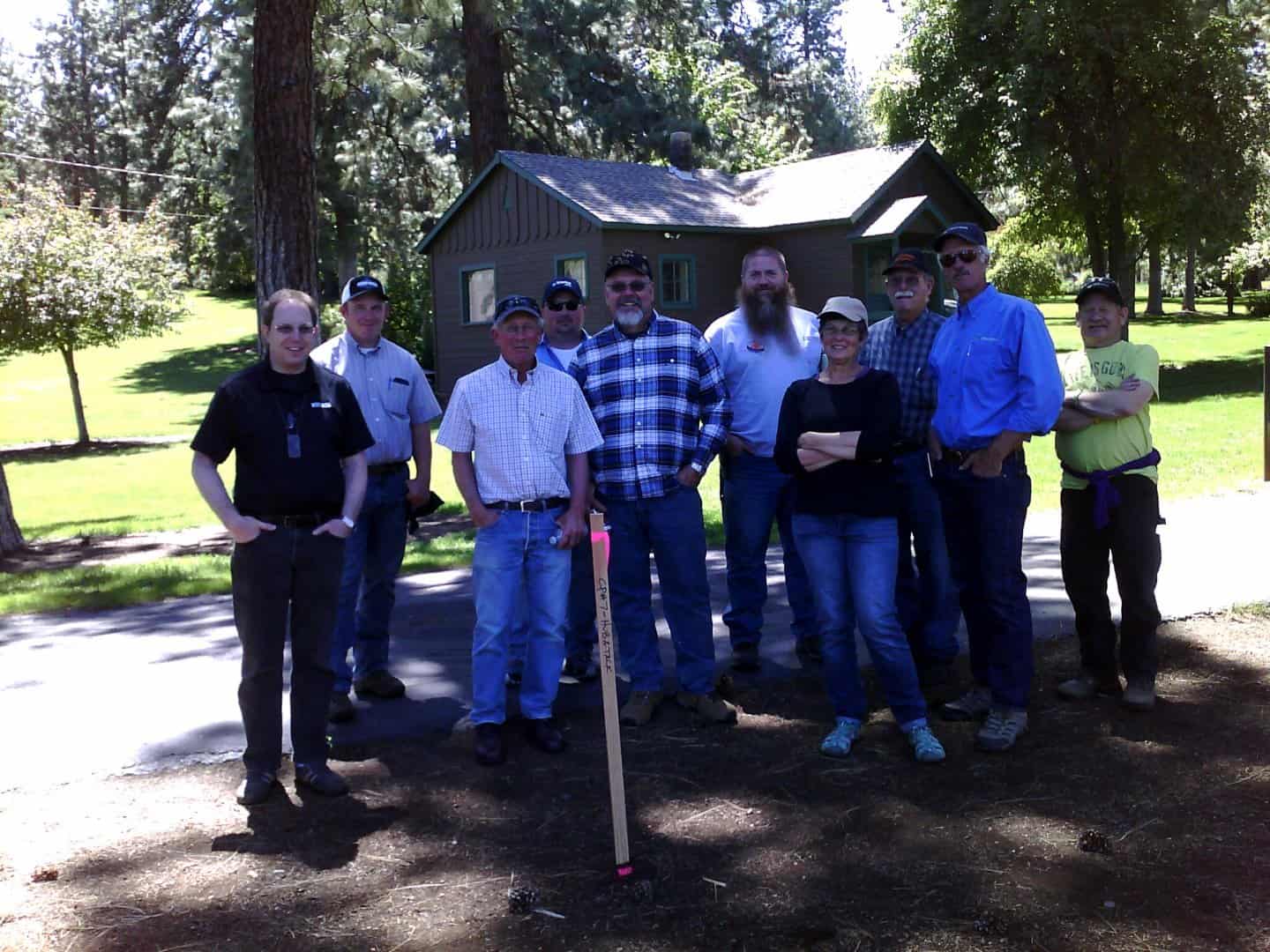
It was a great experience and uplifting to me as I truly appreciate committed professionals.
Posted : June 3, 2016 7:48 pm

Translate
▼
English
Spanish
French
German
Italian
Portuguese
Russian
Chinese
Japanese
Korean
Arabic
Hindi
Dutch
Polish
Turkish
Vietnamese
Thai
Swedish
Danish
Finnish
Norwegian
Czech
Hungarian
Romanian
Greek
Hebrew
Indonesian
Malay
Ukrainian
Bulgarian
Croatian
Slovak
Slovenian
Serbian
Lithuanian
Latvian
Estonian
I wish I would have known you'd be there. I would have happily made the 2 hour journey!
Like what we do here? Start your Membership or Donate
Need a new or refreshed website? Websites for Surveyors
Check out my new website at Five Point Web Solutions
Posted : June 3, 2016 9:16 pm

Translate
▼
English
Spanish
French
German
Italian
Portuguese
Russian
Chinese
Japanese
Korean
Arabic
Hindi
Dutch
Polish
Turkish
Vietnamese
Thai
Swedish
Danish
Finnish
Norwegian
Czech
Hungarian
Romanian
Greek
Hebrew
Indonesian
Malay
Ukrainian
Bulgarian
Croatian
Slovak
Slovenian
Serbian
Lithuanian
Latvian
Estonian
Well Shawn posted before I had a chance. The Oregon GNSS User's Group owes a big thank you to Shawn for his presentation today. I will attempt to post some pictures. Oh good it looks like it worked.
Posted : June 3, 2016 9:52 pm

Translate
▼
English
Spanish
French
German
Italian
Portuguese
Russian
Chinese
Japanese
Korean
Arabic
Hindi
Dutch
Polish
Turkish
Vietnamese
Thai
Swedish
Danish
Finnish
Norwegian
Czech
Hungarian
Romanian
Greek
Hebrew
Indonesian
Malay
Ukrainian
Bulgarian
Croatian
Slovak
Slovenian
Serbian
Lithuanian
Latvian
Estonian
Thanks for the demonstration, Shawn. Impressive.
Posted : June 3, 2016 10:44 pm
Topic starter
Translate
▼
English
Spanish
French
German
Italian
Portuguese
Russian
Chinese
Japanese
Korean
Arabic
Hindi
Dutch
Polish
Turkish
Vietnamese
Thai
Swedish
Danish
Finnish
Norwegian
Czech
Hungarian
Romanian
Greek
Hebrew
Indonesian
Malay
Ukrainian
Bulgarian
Croatian
Slovak
Slovenian
Serbian
Lithuanian
Latvian
Estonian
Thank you Tyler. Please forgive me for neglecting to mention you.
Posted : June 3, 2016 11:13 pm
Topic starter
Translate
▼
English
Spanish
French
German
Italian
Portuguese
Russian
Chinese
Japanese
Korean
Arabic
Hindi
Dutch
Polish
Turkish
Vietnamese
Thai
Swedish
Danish
Finnish
Norwegian
Czech
Hungarian
Romanian
Greek
Hebrew
Indonesian
Malay
Ukrainian
Bulgarian
Croatian
Slovak
Slovenian
Serbian
Lithuanian
Latvian
Estonian
John,
I'll be bringing more back to Texas than I left for you in Oregon, I'm afraid.
With 2022 approaching, I'm going to be working through my State society to see what we can do to improve our legislated coordinate system.
I'm also looking to start something similar to OGUG in Texas. David had a good thought TeGUG, or perhaps TexGUG would be good. Every surveyor should be a part of an organization as fine as OGUG.
Thank you again for your dedication and hospitality.
Posted : June 3, 2016 11:19 pm

Translate
▼
English
Spanish
French
German
Italian
Portuguese
Russian
Chinese
Japanese
Korean
Arabic
Hindi
Dutch
Polish
Turkish
Vietnamese
Thai
Swedish
Danish
Finnish
Norwegian
Czech
Hungarian
Romanian
Greek
Hebrew
Indonesian
Malay
Ukrainian
Bulgarian
Croatian
Slovak
Slovenian
Serbian
Lithuanian
Latvian
Estonian
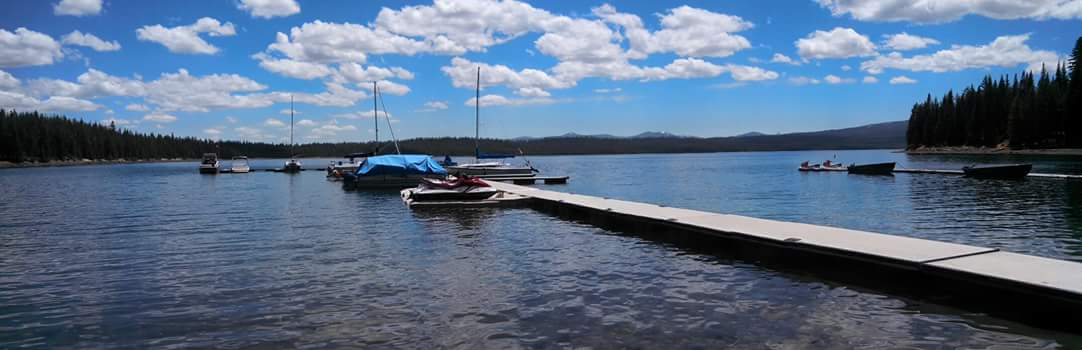
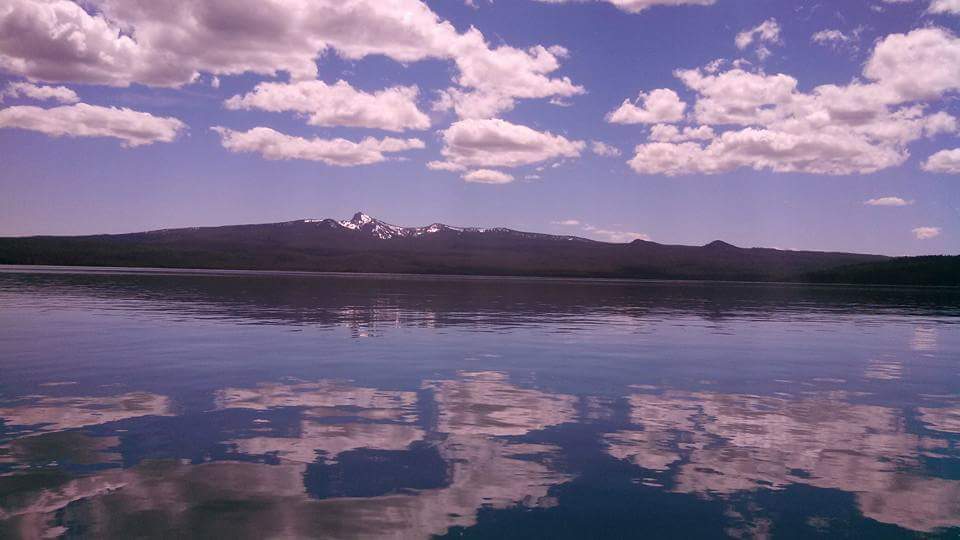
I was sorry I couldn't attend as we had made reservations some time ago at this cabin at Crescent Lake. The meeting would have been informative but instead I had to settle for this-
Posted : June 4, 2016 8:05 am