Reading RPLS is free for the whole profession. Members post, reply, and get the members-only rooms.

Notifications
Clear all

Topic starter
Translate
▼
English
Spanish
French
German
Italian
Portuguese
Russian
Chinese
Japanese
Korean
Arabic
Hindi
Dutch
Polish
Turkish
Vietnamese
Thai
Swedish
Danish
Finnish
Norwegian
Czech
Hungarian
Romanian
Greek
Hebrew
Indonesian
Malay
Ukrainian
Bulgarian
Croatian
Slovak
Slovenian
Serbian
Lithuanian
Latvian
Estonian
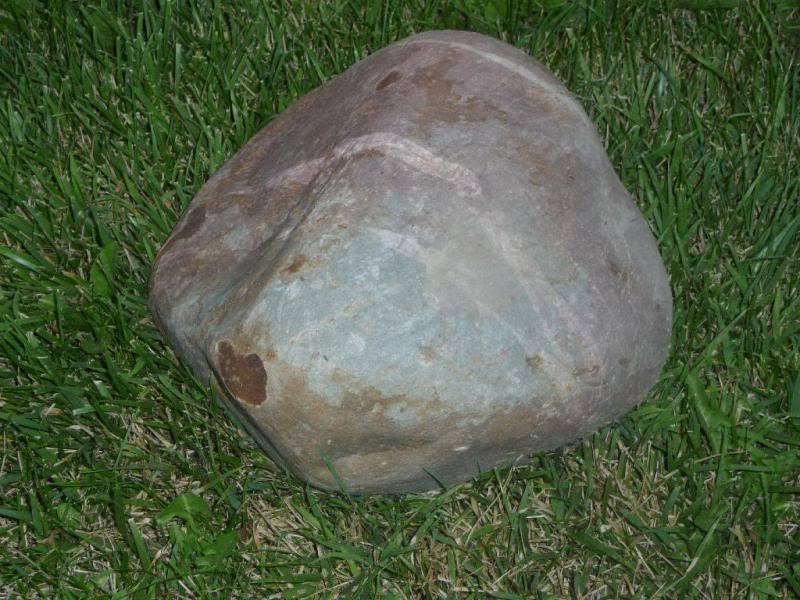
What is the real name of a "Hard Head Stone", set in Iowa in 1894? Before I use the tile probe to search a 30' radius circle, I would like to find a little more information. Any ideas?
Posted : July 15, 2011 10:39 am

Translate
▼
English
Spanish
French
German
Italian
Portuguese
Russian
Chinese
Japanese
Korean
Arabic
Hindi
Dutch
Polish
Turkish
Vietnamese
Thai
Swedish
Danish
Finnish
Norwegian
Czech
Hungarian
Romanian
Greek
Hebrew
Indonesian
Malay
Ukrainian
Bulgarian
Croatian
Slovak
Slovenian
Serbian
Lithuanian
Latvian
Estonian
Used to test the ability of a land surveyor's head for it's ability to withstand hard knocks. Find them frequently around old GLO surveyors staff recruiting locations. Probably looking for a stone that was rejected because of failure.
jud
Posted : July 15, 2011 11:29 am

Translate
▼
English
Spanish
French
German
Italian
Portuguese
Russian
Chinese
Japanese
Korean
Arabic
Hindi
Dutch
Polish
Turkish
Vietnamese
Thai
Swedish
Danish
Finnish
Norwegian
Czech
Hungarian
Romanian
Greek
Hebrew
Indonesian
Malay
Ukrainian
Bulgarian
Croatian
Slovak
Slovenian
Serbian
Lithuanian
Latvian
Estonian
If it's what I think it is, you don't want to hear what crews used to call them 30-40 years ago.
Posted : July 15, 2011 11:35 am
Topic starter
Translate
▼
English
Spanish
French
German
Italian
Portuguese
Russian
Chinese
Japanese
Korean
Arabic
Hindi
Dutch
Polish
Turkish
Vietnamese
Thai
Swedish
Danish
Finnish
Norwegian
Czech
Hungarian
Romanian
Greek
Hebrew
Indonesian
Malay
Ukrainian
Bulgarian
Croatian
Slovak
Slovenian
Serbian
Lithuanian
Latvian
Estonian
SteveWhat is the real name of a "Hard Head Stone"?
Steve,
Are you referring to "NH"? Is that the same thing? The ones that I have seen are almost blue. Is that the right stone?
Posted : July 15, 2011 11:39 am
Translate
▼
English
Spanish
French
German
Italian
Portuguese
Russian
Chinese
Japanese
Korean
Arabic
Hindi
Dutch
Polish
Turkish
Vietnamese
Thai
Swedish
Danish
Finnish
Norwegian
Czech
Hungarian
Romanian
Greek
Hebrew
Indonesian
Malay
Ukrainian
Bulgarian
Croatian
Slovak
Slovenian
Serbian
Lithuanian
Latvian
Estonian
SteveWhat is the real name of a "Hard Head Stone"?
That's what I was thinking. I don't think that refers to a certain geological type of stone but its certain characteristics when attempting to place a monument or stake in its vicinity.
Posted : July 15, 2011 11:42 am

Translate
▼
English
Spanish
French
German
Italian
Portuguese
Russian
Chinese
Japanese
Korean
Arabic
Hindi
Dutch
Polish
Turkish
Vietnamese
Thai
Swedish
Danish
Finnish
Norwegian
Czech
Hungarian
Romanian
Greek
Hebrew
Indonesian
Malay
Ukrainian
Bulgarian
Croatian
Slovak
Slovenian
Serbian
Lithuanian
Latvian
Estonian
SteveWhat is the real name of a "Hard Head Stone"?
nh? i don't get it
Posted : July 15, 2011 12:06 pm

Translate
▼
English
Spanish
French
German
Italian
Portuguese
Russian
Chinese
Japanese
Korean
Arabic
Hindi
Dutch
Polish
Turkish
Vietnamese
Thai
Swedish
Danish
Finnish
Norwegian
Czech
Hungarian
Romanian
Greek
Hebrew
Indonesian
Malay
Ukrainian
Bulgarian
Croatian
Slovak
Slovenian
Serbian
Lithuanian
Latvian
Estonian
I dunno...
Sounds to me like something between a cobble & a boulder, probably quartzite or some other HARD (usually smooth) material.
http://en.wikipedia.org/wiki/Particle_size_(grain_size)
We call then “doolies” (sp...rhymes with holy) out here, but in the past I have heard them referred to a NH'd Rocks (regardless of color), probably because of the oil stains from busted oil pans. Also as cobbles or “river rocks,” almost always quartzite or something similar.
Loyal
Posted : July 15, 2011 12:43 pm

Translate
▼
English
Spanish
French
German
Italian
Portuguese
Russian
Chinese
Japanese
Korean
Arabic
Hindi
Dutch
Polish
Turkish
Vietnamese
Thai
Swedish
Danish
Finnish
Norwegian
Czech
Hungarian
Romanian
Greek
Hebrew
Indonesian
Malay
Ukrainian
Bulgarian
Croatian
Slovak
Slovenian
Serbian
Lithuanian
Latvian
Estonian
They are geodes, in my experience, anyway.
Posted : July 15, 2011 12:45 pm
Translate
▼
English
Spanish
French
German
Italian
Portuguese
Russian
Chinese
Japanese
Korean
Arabic
Hindi
Dutch
Polish
Turkish
Vietnamese
Thai
Swedish
Danish
Finnish
Norwegian
Czech
Hungarian
Romanian
Greek
Hebrew
Indonesian
Malay
Ukrainian
Bulgarian
Croatian
Slovak
Slovenian
Serbian
Lithuanian
Latvian
Estonian
Vanishing...
Geodes huh? That's a new one on me. Interesting, I don't think that I have ever seen a geode used by a surveyor, that's pretty cool. Marking that sucker might be a challenge (they are REALLY hard), but once marked, it would "show" for a LONGGG time.
Loyal
Posted : July 15, 2011 1:02 pm

Translate
▼
English
Spanish
French
German
Italian
Portuguese
Russian
Chinese
Japanese
Korean
Arabic
Hindi
Dutch
Polish
Turkish
Vietnamese
Thai
Swedish
Danish
Finnish
Norwegian
Czech
Hungarian
Romanian
Greek
Hebrew
Indonesian
Malay
Ukrainian
Bulgarian
Croatian
Slovak
Slovenian
Serbian
Lithuanian
Latvian
Estonian
Around Michigan that would be a hard, grey, sometimes kinda dark silver color granite stone, usually having some type of magnetic signature. If I were looking for that stone here, I would run our nail magnet over the search area, and dig on the loudest signal.
Posted : July 15, 2011 1:31 pm

Translate
▼
English
Spanish
French
German
Italian
Portuguese
Russian
Chinese
Japanese
Korean
Arabic
Hindi
Dutch
Polish
Turkish
Vietnamese
Thai
Swedish
Danish
Finnish
Norwegian
Czech
Hungarian
Romanian
Greek
Hebrew
Indonesian
Malay
Ukrainian
Bulgarian
Croatian
Slovak
Slovenian
Serbian
Lithuanian
Latvian
Estonian
The old name used by some was definitely not politically correct.
Since much of Iowa has mixed glacial debris, I would expect some variation in the exact makeup; they probably used whatever was found in the area, as big as one or two people felt like carrying to deposit in the hole.
Posted : July 15, 2011 5:27 pm

Translate
▼
English
Spanish
French
German
Italian
Portuguese
Russian
Chinese
Japanese
Korean
Arabic
Hindi
Dutch
Polish
Turkish
Vietnamese
Thai
Swedish
Danish
Finnish
Norwegian
Czech
Hungarian
Romanian
Greek
Hebrew
Indonesian
Malay
Ukrainian
Bulgarian
Croatian
Slovak
Slovenian
Serbian
Lithuanian
Latvian
Estonian
Posted : July 15, 2011 7:09 pm

Translate
▼
English
Spanish
French
German
Italian
Portuguese
Russian
Chinese
Japanese
Korean
Arabic
Hindi
Dutch
Polish
Turkish
Vietnamese
Thai
Swedish
Danish
Finnish
Norwegian
Czech
Hungarian
Romanian
Greek
Hebrew
Indonesian
Malay
Ukrainian
Bulgarian
Croatian
Slovak
Slovenian
Serbian
Lithuanian
Latvian
Estonian
I have seen this term very rarely used in old deeds in this area before 1900, probably more like 1850. All from the Virginia Military District.
My impression is that the reference is to a concretion, of a foot or more in diameter, and common in all of the underlying limestone bedrock around here (some are three or four feet in diameter). I have seen more in descriptions than I have found, even with some serious digging involved.
Posted : July 15, 2011 11:11 pm

Translate
▼
English
Spanish
French
German
Italian
Portuguese
Russian
Chinese
Japanese
Korean
Arabic
Hindi
Dutch
Polish
Turkish
Vietnamese
Thai
Swedish
Danish
Finnish
Norwegian
Czech
Hungarian
Romanian
Greek
Hebrew
Indonesian
Malay
Ukrainian
Bulgarian
Croatian
Slovak
Slovenian
Serbian
Lithuanian
Latvian
Estonian
That is a completely new term to me. We have trillions of the NH's referenced above, but, they are more of a brown color. Definitely not blue.
Once we were searching for a corner stone and found an honest to Pete headstone with name and all. Sort of a French name as I recall.
Posted : July 18, 2011 3:10 pm