Reading RPLS is free for the whole profession. Members post, reply, and get the members-only rooms.

Notifications
Clear all
Strictly Surveying
7
Posts
6
Users
0
Reactions
1,162
Views

Topic starter
Translate
▼
English
Spanish
French
German
Italian
Portuguese
Russian
Chinese
Japanese
Korean
Arabic
Hindi
Dutch
Polish
Turkish
Vietnamese
Thai
Swedish
Danish
Finnish
Norwegian
Czech
Hungarian
Romanian
Greek
Hebrew
Indonesian
Malay
Ukrainian
Bulgarian
Croatian
Slovak
Slovenian
Serbian
Lithuanian
Latvian
Estonian
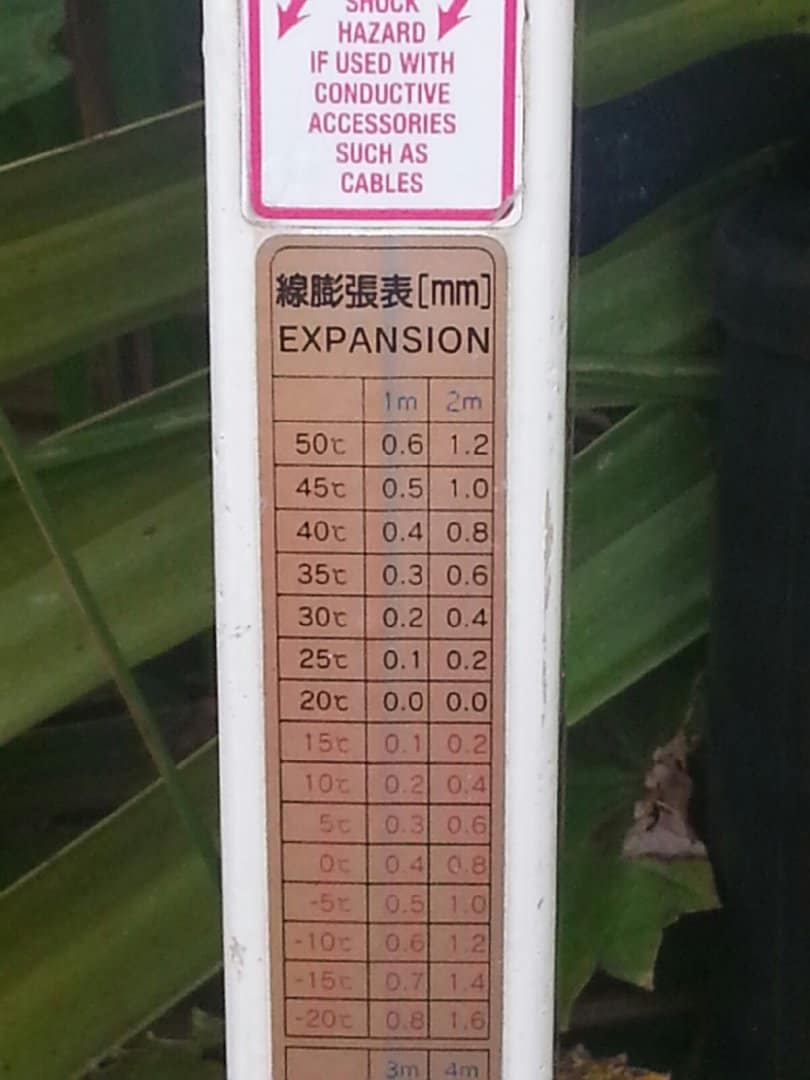
There's a table of temperature corrections on our digital level rod. I wouldn't think a fiberglass (?) rod expands or contracts. Does this correction address the movement of whatever kind of light beam the digital level uses, through the air?
Posted : November 22, 2017 9:47 am

Translate
▼
English
Spanish
French
German
Italian
Portuguese
Russian
Chinese
Japanese
Korean
Arabic
Hindi
Dutch
Polish
Turkish
Vietnamese
Thai
Swedish
Danish
Finnish
Norwegian
Czech
Hungarian
Romanian
Greek
Hebrew
Indonesian
Malay
Ukrainian
Bulgarian
Croatian
Slovak
Slovenian
Serbian
Lithuanian
Latvian
Estonian
No, the instrument functions like a camera, not an EDM.
I have never seen that, but I would assume there is some expansion/contraction if they put it on there.
Posted : November 22, 2017 9:58 am

Translate
▼
English
Spanish
French
German
Italian
Portuguese
Russian
Chinese
Japanese
Korean
Arabic
Hindi
Dutch
Polish
Turkish
Vietnamese
Thai
Swedish
Danish
Finnish
Norwegian
Czech
Hungarian
Romanian
Greek
Hebrew
Indonesian
Malay
Ukrainian
Bulgarian
Croatian
Slovak
Slovenian
Serbian
Lithuanian
Latvian
Estonian
The table on the level rod, is the temperature correction for the fiberglass level rod.
That's why some use an Invar Rod.
Posted : November 22, 2017 10:19 am

Translate
▼
English
Spanish
French
German
Italian
Portuguese
Russian
Chinese
Japanese
Korean
Arabic
Hindi
Dutch
Polish
Turkish
Vietnamese
Thai
Swedish
Danish
Finnish
Norwegian
Czech
Hungarian
Romanian
Greek
Hebrew
Indonesian
Malay
Ukrainian
Bulgarian
Croatian
Slovak
Slovenian
Serbian
Lithuanian
Latvian
Estonian
Invar also has a coefficient of thermal expansion for it as well, but, you are really smashing gnats with sledge hammers at that point. Just something to keep in mind if you are at the extremes
Posted : November 22, 2017 10:23 am
Topic starter
Translate
▼
English
Spanish
French
German
Italian
Portuguese
Russian
Chinese
Japanese
Korean
Arabic
Hindi
Dutch
Polish
Turkish
Vietnamese
Thai
Swedish
Danish
Finnish
Norwegian
Czech
Hungarian
Romanian
Greek
Hebrew
Indonesian
Malay
Ukrainian
Bulgarian
Croatian
Slovak
Slovenian
Serbian
Lithuanian
Latvian
Estonian
 If it functions like a camera, does that mean the amount of rod it photographs is smaller than the area I would need to manually read three wires? I was running the rod yesterday, and I was considering how much rod the level needed to see. The party chief mentioned the level uses a smaller viewing area when it reads the rod.
Posted : November 22, 2017 10:23 am

Translate
▼
English
Spanish
French
German
Italian
Portuguese
Russian
Chinese
Japanese
Korean
Arabic
Hindi
Dutch
Polish
Turkish
Vietnamese
Thai
Swedish
Danish
Finnish
Norwegian
Czech
Hungarian
Romanian
Greek
Hebrew
Indonesian
Malay
Ukrainian
Bulgarian
Croatian
Slovak
Slovenian
Serbian
Lithuanian
Latvian
Estonian
Field Dog, post: 456898, member: 9186 wrote:
I remember running 2nd order levels for a few cities in the area using invar rods and the such, and we were lined out to make sure not to go under 1 meter or above 2 meters for accuracy purposes. I was under the impression this was because of the camera not fully being able to read the barcode correctly.
Posted : November 22, 2017 3:48 pm

Translate
▼
English
Spanish
French
German
Italian
Portuguese
Russian
Chinese
Japanese
Korean
Arabic
Hindi
Dutch
Polish
Turkish
Vietnamese
Thai
Swedish
Danish
Finnish
Norwegian
Czech
Hungarian
Romanian
Greek
Hebrew
Indonesian
Malay
Ukrainian
Bulgarian
Croatian
Slovak
Slovenian
Serbian
Lithuanian
Latvian
Estonian
I know with the Leica DNA levels and FG rod you can definitely get a reading electronically where at least some of the view is above or below the rod, probably has some accuracy limitations, HOWEVER I have never noticed any issues in running short loops for engineering type elevation transfer surveys. I am pretty sure for tight geodetic type work that isn't best practice, but it will read the rod within limits even if not a full rod view.
SHG
Posted : November 30, 2017 3:17 pm