

jim.cox, post: 363390, member: 93 wrote: height above the top of the tripod, or to the ground mark, can vary (just a little)
The height above the ground mark is going to vary -- often by tenths of a foot or more -- with every setup, so there's no point in looking for consistency there. Height above the tripod machined surface is also irrelevant to the discussion, for the same reason. The concept is to identify a reliable measurement point above which the height of instrument (196 mm in the case of Leica) is known, and that point is the top of the 3 contact points in the leveled tribrach.

As Jim wrote. Also I appreciate your distinction, re: 196mm to top of supporting pins, not top of tribrach upper plate like I previously wrote.
Going through Leica's white papers, I see the -34.4 prism constant for their standard, round prism's as Dave wrote. And in their tribrach papers, I see mention of the historical use of the tribrach notch that's carried through to current models.
Also interesting is that Leica optimized its reflex coating to help block reflections based on a their EDM emitters operating at 660 - 850 nm. SPS930's manual specs its EDM at 905 nm. Maybe a bit out of the range that Leica's designed their coatings, but should still help reduce front glass reflections.

Geodimeter, then Trimble, used to make a centre tape unit, which locked into the tripod screw and pushed a measuring probe up to the underside of the tribrach plate. A tape in the unit could be pulled downwards to touch the ground station and give the target height. We have several of these and have added additional reference lines to cope with different models of instruments. Very effective, as long as you have "adjusted" any targets to match the instrument heights.
We have done this by observing the instrument height from another, then swapping in the traverse target and measuring the difference, if any. We then have new mounting rods made if necessary. You only need to do this once for any new instrument purchased, so it isn't a great problem - but mark the rods so they can be identified to the instrument being used!
Changing instrument heights appears to be part of the Trimble policy of making all things change at intervals to boost repair costs.

chris mills, post: 363410, member: 6244 wrote:
Changing instrument heights appears to be part of the Trimble policy of making all things change at intervals to boost repair costs.
Actually I believe it comes from their business model of buying up different manufacturers and product lines

I know some of our guys had to use a file on their older tribrachs to open the U space on the side to get the instument to fit
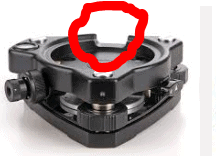

jim.cox, post: 363477, member: 93 wrote: Actually I believe it comes from their business model of buying up different manufacturers and product lines
Which geodimeter / trimble instruments aren't 196mm? I know the Nikon Nivo / Trimble M3 / Spectra Focus 8 are all 155mm. Little tiddlers.
There was a difference between the 4400 series and the 600 series - but I no longer have a 4400 to check the figure. There is an 11mm. difference between the 400 and the 600 series, which matters if both types are being used on a large survey and tripods are left set up and instruments/targets swap around. Good practice should mean that each set up is measured again, anyway.
for those interested, here's how it worked out
what's used
trimble sps930, built 2015 (s6, s8, vx equiv)
leica gdf321 tribrachs, gzr3 carriers, gpr1 prisms in their metal hoods
the trimble fits the tribrach great. there's no problem with the comm port fitting the notch and there's zero play. vert offsets of both trimble and leica setups are even at 196mm as best as my eye can read with a ruler, and will see with tests in the field.
last evening, I was admittedly excited to check the centering accuracy across the pair of carriers and the total station, so I did a quick indoor test. i put a piece of tape on the floor and drew an x (ruler, .5mm drafting pen). set up a tripod and traverse kit, and spun the plummet until i rotated to and split my x with the crosshairs. took out the carrier and dropped the other one in - it splits it, too. on to the trimble, the real test. admittedly, at this point my eyes may have been playing tricks, but at worst it was within the .3mm spec of the carrier.
thanks for helping with all of your info. i think trimble is like the kid in math class that gets points off for not showing their work on tests. handicapping and obfuscating both the dealer and the user's understanding.