Reading RPLS is free for the whole profession. Members post, reply, and get the members-only rooms.

Notifications
Clear all
Strictly Surveying
46
Posts
16
Users
0
Reactions
2,092
Views

Topic starter
Translate
▼
English
Spanish
French
German
Italian
Portuguese
Russian
Chinese
Japanese
Korean
Arabic
Hindi
Dutch
Polish
Turkish
Vietnamese
Thai
Swedish
Danish
Finnish
Norwegian
Czech
Hungarian
Romanian
Greek
Hebrew
Indonesian
Malay
Ukrainian
Bulgarian
Croatian
Slovak
Slovenian
Serbian
Lithuanian
Latvian
Estonian
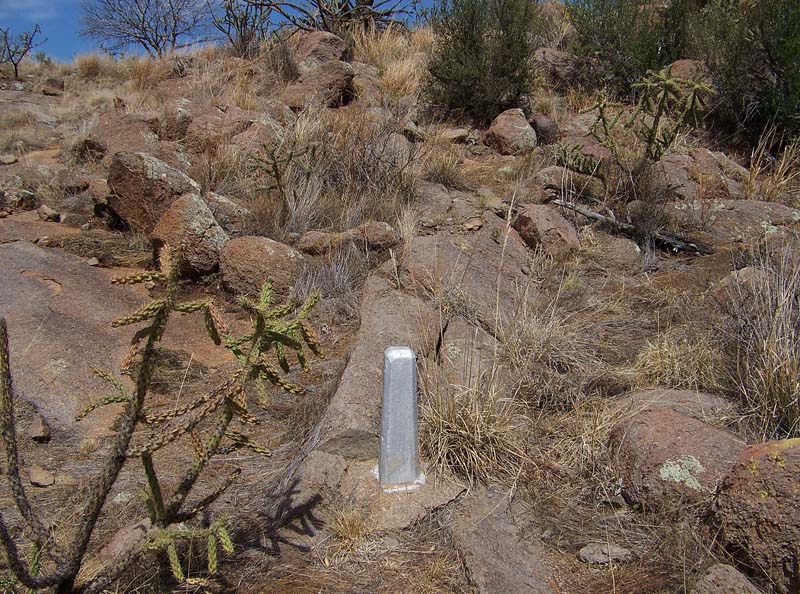
So I was out in West Texas for the last few days enjoying the scenery, but that doesn't mean that when I drove past what may be the most beautiful Type I, Concrete Right-of-Way Marker in Texas, I didn't slam on the brakes to get a photo. For someone who is accustomed to finding this type of Right-of-Way Marker either broken about ground level with just a snaggle of rebars above grade, or leaning so far off plumb that it will be more than half an hours work with a shovel and pry bar to restore it to plumb, this was like a glimpse of CÌ?bola, City of Gold that Francisco Coronado rode around Texas in search of. Well, maybe more like the City of Alcoa since that is aluminum paint on the marker.
What is even more amazing is that this one was evidently set back in the 1930s. Note that the marker was set in a hole drilled in rock with concrete backfill. Ah, the labor-intensive 30s.
Posted : May 16, 2016 9:36 pm
Topic starter
Translate
▼
English
Spanish
French
German
Italian
Portuguese
Russian
Chinese
Japanese
Korean
Arabic
Hindi
Dutch
Polish
Turkish
Vietnamese
Thai
Swedish
Danish
Finnish
Norwegian
Czech
Hungarian
Romanian
Greek
Hebrew
Indonesian
Malay
Ukrainian
Bulgarian
Croatian
Slovak
Slovenian
Serbian
Lithuanian
Latvian
Estonian
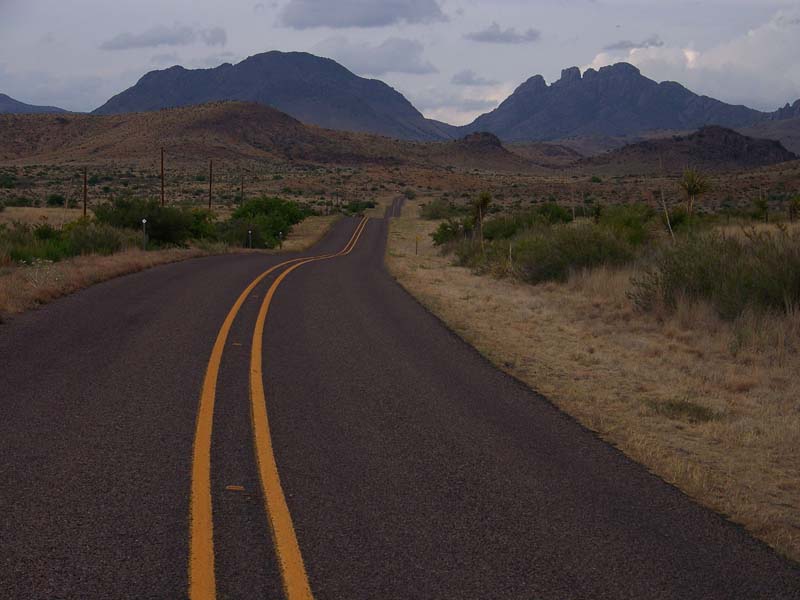
Another view of that same State highway:
Posted : May 16, 2016 9:57 pm

Translate
▼
English
Spanish
French
German
Italian
Portuguese
Russian
Chinese
Japanese
Korean
Arabic
Hindi
Dutch
Polish
Turkish
Vietnamese
Thai
Swedish
Danish
Finnish
Norwegian
Czech
Hungarian
Romanian
Greek
Hebrew
Indonesian
Malay
Ukrainian
Bulgarian
Croatian
Slovak
Slovenian
Serbian
Lithuanian
Latvian
Estonian
How wide is the ROW? How often along the ROW do these occur? And I gotta ask: Were you driving down the road, head swiveling left and right looking into the sage brush for these?
Posted : May 17, 2016 4:37 am
Topic starter
Translate
▼
English
Spanish
French
German
Italian
Portuguese
Russian
Chinese
Japanese
Korean
Arabic
Hindi
Dutch
Polish
Turkish
Vietnamese
Thai
Swedish
Danish
Finnish
Norwegian
Czech
Hungarian
Romanian
Greek
Hebrew
Indonesian
Malay
Ukrainian
Bulgarian
Croatian
Slovak
Slovenian
Serbian
Lithuanian
Latvian
Estonian
rfc, post: 372552, member: 8882 wrote: How often along the ROW do these occur?
These right-of-way markers were placed at the beginnings and ends of curves, on both sides of the right-of-way, and at intervals of about 1000 ft. along tangent (straight) sections, with markers at high points as needed for intervisibility. That right-of-way was 150 ft. wide.
Posted : May 17, 2016 6:44 am

Translate
▼
English
Spanish
French
German
Italian
Portuguese
Russian
Chinese
Japanese
Korean
Arabic
Hindi
Dutch
Polish
Turkish
Vietnamese
Thai
Swedish
Danish
Finnish
Norwegian
Czech
Hungarian
Romanian
Greek
Hebrew
Indonesian
Malay
Ukrainian
Bulgarian
Croatian
Slovak
Slovenian
Serbian
Lithuanian
Latvian
Estonian
Pretty markers, are like pretty north arrows. They can lead the simple astray.
I'm for simple, yet functional markers. Having them in the right place is more important. Many markers set in that era, were set with "wing-dings". It's probably been deceptively set plumb. To make you think it's right. And, that silver paint is a dead give-away, that you should be careful there. Just a word to the intelligent. You'll thank me later, or, you can put some money in Wendell's jar, on the way by.
Best Regards
TTIC
(That's Totally Tongue In Cheek, if you aren't aware of that either).
The burden those of us, with strong intellects carry, is enormous.
Carry on. There's another marker, up there, 'round the bend....
Where is that tip jar?
Posted : May 17, 2016 7:02 am

Translate
▼
English
Spanish
French
German
Italian
Portuguese
Russian
Chinese
Japanese
Korean
Arabic
Hindi
Dutch
Polish
Turkish
Vietnamese
Thai
Swedish
Danish
Finnish
Norwegian
Czech
Hungarian
Romanian
Greek
Hebrew
Indonesian
Malay
Ukrainian
Bulgarian
Croatian
Slovak
Slovenian
Serbian
Lithuanian
Latvian
Estonian
How long did it take you to paint that thing and why in the world do you carry around aluminized paint?
Posted : May 17, 2016 7:08 am
Topic starter
Translate
▼
English
Spanish
French
German
Italian
Portuguese
Russian
Chinese
Japanese
Korean
Arabic
Hindi
Dutch
Polish
Turkish
Vietnamese
Thai
Swedish
Danish
Finnish
Norwegian
Czech
Hungarian
Romanian
Greek
Hebrew
Indonesian
Malay
Ukrainian
Bulgarian
Croatian
Slovak
Slovenian
Serbian
Lithuanian
Latvian
Estonian
paden cash, post: 372557, member: 20 wrote: How long did it take you to paint that thing and why in the world do you carry around aluminized paint?
Of, better yet, how often does the local maintenance crew freshen up the paint on those markers? Aluminum paint is remarkably permanent and resistant to weathering (in Texas), but I'd think it would still need to be repainted every forty years or so to look as smart as that one does.
That would be a summer job for some high school kid considering that there are about forty miles of those markers on just that stretch of road.
Posted : May 17, 2016 7:16 am
Translate
▼
English
Spanish
French
German
Italian
Portuguese
Russian
Chinese
Japanese
Korean
Arabic
Hindi
Dutch
Polish
Turkish
Vietnamese
Thai
Swedish
Danish
Finnish
Norwegian
Czech
Hungarian
Romanian
Greek
Hebrew
Indonesian
Malay
Ukrainian
Bulgarian
Croatian
Slovak
Slovenian
Serbian
Lithuanian
Latvian
Estonian
In the mid '90s there was a "lull" in the work load at the local highway department. The survey department head thought it was a good idea for the crews to hit the road and tidy up around some of the older tri-stations and our newly set HARN network. This was initially meant to clean the brush and undergrowth out, but quickly turned into a paint-fest when someone decided all the standard 6" treated wooden witness posts should get a coat of "Highway Department Yellow". One crew chief (don't worry Robert, I won't use your last name) took some summer help up the hill to clean out around our Initial Point at the intersection of the Indian Meridian and Base Line outside of Davis, Oklahoma.
Why they weren't better supervised is still a contentious detail, but long story short instead of just painting the fence post that use to stand adjacent to the 4' monolith, the summer help painted the entire sandstone protuberance a ghastly shade of "School Bus Yellow". Somehow this news got back to the department head...
I understand the man-hours spent to actually clean the monument far exceeded the amount of time it took to paint it. I use to have a pic around here of the 'yellow sandstone', but I apparently have misplaced it....probably for the better.
Posted : May 17, 2016 7:39 am
Topic starter
Translate
▼
English
Spanish
French
German
Italian
Portuguese
Russian
Chinese
Japanese
Korean
Arabic
Hindi
Dutch
Polish
Turkish
Vietnamese
Thai
Swedish
Danish
Finnish
Norwegian
Czech
Hungarian
Romanian
Greek
Hebrew
Indonesian
Malay
Ukrainian
Bulgarian
Croatian
Slovak
Slovenian
Serbian
Lithuanian
Latvian
Estonian
paden cash, post: 372560, member: 20 wrote: In the mid '90s there was a "lull" in the work load at the local highway department.
"Boys, why don't you just drive around with some of that extra yellow paint that we have in inventory and see what you can find along the highways that needs some paint? We don't use it up before the next budget year, might not get any more for a while. Don't bring any half-empty cans back to the yard, y'hear?"
Posted : May 17, 2016 7:47 am
Translate
▼
English
Spanish
French
German
Italian
Portuguese
Russian
Chinese
Japanese
Korean
Arabic
Hindi
Dutch
Polish
Turkish
Vietnamese
Thai
Swedish
Danish
Finnish
Norwegian
Czech
Hungarian
Romanian
Greek
Hebrew
Indonesian
Malay
Ukrainian
Bulgarian
Croatian
Slovak
Slovenian
Serbian
Lithuanian
Latvian
Estonian
Kent McMillan, post: 372562, member: 3 wrote: "Boys, why don't you just drive around with some of that extra yellow paint that we have in inventory and see what you can find along the highways that needs some paint? We don't use it up before the next budget year, might not get any more for a while. Don't bring any half-empty cans back to the yard, y'hear?"
Wow...apparently you were there...:pinch:
Posted : May 17, 2016 7:51 am

Translate
▼
English
Spanish
French
German
Italian
Portuguese
Russian
Chinese
Japanese
Korean
Arabic
Hindi
Dutch
Polish
Turkish
Vietnamese
Thai
Swedish
Danish
Finnish
Norwegian
Czech
Hungarian
Romanian
Greek
Hebrew
Indonesian
Malay
Ukrainian
Bulgarian
Croatian
Slovak
Slovenian
Serbian
Lithuanian
Latvian
Estonian
I can remember in the 1960s when TxDot would keep their monuments painted with that industrial silver coating and in shape and clear the r/w to just beyond fences.
That is something that was dropped shortly after then and roadside maintenance has since fallen farther into despair.
What the old gas companies did not take out the telephone and rural electrical and water systems have near completed the destruction.
They have been mowing just so far from the edge of pavement for so many years that their remaining monuments are disappearing into the woods around here.
In many places the trees are so tall they are beginning to be a hazard to traffic and utility service as they fall into traffic during storms and from dying from insect infestation.
Posted : May 17, 2016 9:12 am

Translate
▼
English
Spanish
French
German
Italian
Portuguese
Russian
Chinese
Japanese
Korean
Arabic
Hindi
Dutch
Polish
Turkish
Vietnamese
Thai
Swedish
Danish
Finnish
Norwegian
Czech
Hungarian
Romanian
Greek
Hebrew
Indonesian
Malay
Ukrainian
Bulgarian
Croatian
Slovak
Slovenian
Serbian
Lithuanian
Latvian
Estonian
So where on the monument is the R/W?
Posted : May 17, 2016 10:06 am

Translate
▼
English
Spanish
French
German
Italian
Portuguese
Russian
Chinese
Japanese
Korean
Arabic
Hindi
Dutch
Polish
Turkish
Vietnamese
Thai
Swedish
Danish
Finnish
Norwegian
Czech
Hungarian
Romanian
Greek
Hebrew
Indonesian
Malay
Ukrainian
Bulgarian
Croatian
Slovak
Slovenian
Serbian
Lithuanian
Latvian
Estonian
Kent McMillan, post: 372545, member: 3 wrote: Another view of that same State highway:
What range is that? A pure wild guess I would say closer to Alpine.
Also, I suppose the silver is much more appropriate than being marked by feral survey crews in flo orange or pink.
Posted : May 17, 2016 10:59 am
Topic starter
Translate
▼
English
Spanish
French
German
Italian
Portuguese
Russian
Chinese
Japanese
Korean
Arabic
Hindi
Dutch
Polish
Turkish
Vietnamese
Thai
Swedish
Danish
Finnish
Norwegian
Czech
Hungarian
Romanian
Greek
Hebrew
Indonesian
Malay
Ukrainian
Bulgarian
Croatian
Slovak
Slovenian
Serbian
Lithuanian
Latvian
Estonian
lmbrls, post: 372590, member: 6823 wrote: So where on the monument is the R/W?
Typically, the right-of-way markers reference the Engineer's Centerline and the right-of-way is the record distance from the centerline.
Posted : May 17, 2016 12:20 pm
Topic starter
Translate
▼
English
Spanish
French
German
Italian
Portuguese
Russian
Chinese
Japanese
Korean
Arabic
Hindi
Dutch
Polish
Turkish
Vietnamese
Thai
Swedish
Danish
Finnish
Norwegian
Czech
Hungarian
Romanian
Greek
Hebrew
Indonesian
Malay
Ukrainian
Bulgarian
Croatian
Slovak
Slovenian
Serbian
Lithuanian
Latvian
Estonian
Andy Nold, post: 372599, member: 7 wrote: What range is that? A pure wild guess I would say closer to Alpine.
That is Sawtooth Mountain in the background.
Posted : May 17, 2016 12:22 pm
Translate
▼
English
Spanish
French
German
Italian
Portuguese
Russian
Chinese
Japanese
Korean
Arabic
Hindi
Dutch
Polish
Turkish
Vietnamese
Thai
Swedish
Danish
Finnish
Norwegian
Czech
Hungarian
Romanian
Greek
Hebrew
Indonesian
Malay
Ukrainian
Bulgarian
Croatian
Slovak
Slovenian
Serbian
Lithuanian
Latvian
Estonian
Kent McMillan, post: 372609, member: 3 wrote: Typically, the right-of-way markers reference the Engineer's Centerline and the right-of-way is the record distance from the centerline.
In GA, the R/W monuments are set by the contractor and are often inaccurate. The Highway Department will hold the center line of the road over the monument location. I was once told by a GDOT employee that the monuments were so they would know where to cut the grass, I am curious if other States have a higher opinion of right of way monuments.
Posted : May 17, 2016 1:14 pm
Topic starter
Translate
▼
English
Spanish
French
German
Italian
Portuguese
Russian
Chinese
Japanese
Korean
Arabic
Hindi
Dutch
Polish
Turkish
Vietnamese
Thai
Swedish
Danish
Finnish
Norwegian
Czech
Hungarian
Romanian
Greek
Hebrew
Indonesian
Malay
Ukrainian
Bulgarian
Croatian
Slovak
Slovenian
Serbian
Lithuanian
Latvian
Estonian
lmbrls, post: 372623, member: 6823 wrote: I was once told by a GDOT employee that the monuments were so they would know where to cut the grass, I am curious if other States have a higher opinion of right of way monuments.
In Texas, the Texas Highway Department provided lines and grades for highway construction once upon a time, including the time when that marker was placed.
Here, for example is the specification for "Right-of-Way Markers" from the 1951 edition of the Standard Specifications for Road and Bridge Construction:
"5.7. Construction Stakes. The Engineer will furnish and set construction stakes establishing lines and grades in roadway work and centerlines and benchmarks for bridge work and will furnish the Contractor with all necessary information relating to lines and grades. These stakes will be set sufficiently in advance of the work to avoid delay."
"514.1 Description. This item shall consist of constructing and/or installing reinforced concrete right-of-way markers on right-of-way lines at points designated on plans or as directed by the Engineer."
"514.3 Constuction Methods. [...] Markers shall be installed at designated points to the depth, lines, and grades established by the Engineer, and as shown on plans. [...]"
Posted : May 17, 2016 1:48 pm

Translate
▼
English
Spanish
French
German
Italian
Portuguese
Russian
Chinese
Japanese
Korean
Arabic
Hindi
Dutch
Polish
Turkish
Vietnamese
Thai
Swedish
Danish
Finnish
Norwegian
Czech
Hungarian
Romanian
Greek
Hebrew
Indonesian
Malay
Ukrainian
Bulgarian
Croatian
Slovak
Slovenian
Serbian
Lithuanian
Latvian
Estonian
lmbrls, post: 372623, member: 6823 wrote: In GA, the R/W monuments are set by the contractor and are often inaccurate. The Highway Department will hold the center line of the road over the monument location. I was once told by a GDOT employee that the monuments were so they would know where to cut the grass, I am curious if other States have a higher opinion of right of way monuments.
My question would be "I am curious if the courts have higher opinions of right of way monuments than most surveyors and highway departments do?"
I'll take a wild guess and say "Yep, most likely".
Posted : May 17, 2016 4:23 pm
Topic starter
Translate
▼
English
Spanish
French
German
Italian
Portuguese
Russian
Chinese
Japanese
Korean
Arabic
Hindi
Dutch
Polish
Turkish
Vietnamese
Thai
Swedish
Danish
Finnish
Norwegian
Czech
Hungarian
Romanian
Greek
Hebrew
Indonesian
Malay
Ukrainian
Bulgarian
Croatian
Slovak
Slovenian
Serbian
Lithuanian
Latvian
Estonian
Brian Allen, post: 372652, member: 1333 wrote: My question would be "I am curious if the courts have higher opinions of right of way monuments than most surveyors and highway departments do?"
Actually, the older deeds don't call for the right-of-way markers, even prospectively, i.e. the Grantee agreeing that the State of Texas will mark the land that he actually conveyed to them on the ground and discover after the fact where it is. :> They refer to the Engineer's Centerline and, usually by implication, to the survey that marked that centerline on the ground that was visible at the time of the conveyance. So, at best the right-of-way markers provide secondary evidence of the Engineer's Centerline and the system of stationing recited in the deed by which the land or right-of-way was conveyed to the State of Texas.
Lots of luck asserting any theory of equitable establishment against the State of Texas.
Posted : May 17, 2016 5:28 pm

Translate
▼
English
Spanish
French
German
Italian
Portuguese
Russian
Chinese
Japanese
Korean
Arabic
Hindi
Dutch
Polish
Turkish
Vietnamese
Thai
Swedish
Danish
Finnish
Norwegian
Czech
Hungarian
Romanian
Greek
Hebrew
Indonesian
Malay
Ukrainian
Bulgarian
Croatian
Slovak
Slovenian
Serbian
Lithuanian
Latvian
Estonian
Are there existing control disks that these markers were set from in the 30s?
Posted : May 17, 2016 5:30 pm
Page 1 / 3
Next