Reading RPLS is free for the whole profession. Members post, reply, and get the members-only rooms.

Notifications
Clear all

Topic starter
Translate
▼
English
Spanish
French
German
Italian
Portuguese
Russian
Chinese
Japanese
Korean
Arabic
Hindi
Dutch
Polish
Turkish
Vietnamese
Thai
Swedish
Danish
Finnish
Norwegian
Czech
Hungarian
Romanian
Greek
Hebrew
Indonesian
Malay
Ukrainian
Bulgarian
Croatian
Slovak
Slovenian
Serbian
Lithuanian
Latvian
Estonian
This week I had 2 very contrasting jobs.
One way out in the back blocks ("up the scrub", "way back"), the other right on the coast.
The bush job was a delight (as usual) and was retracing old surveys from 1899 to 1910å±.
We found 2 old stone piles with their remaining reference trees (now rotting stumps)
As we were heading off into the thick of the job we saw what was obviously a fresh meal on a log ahead.
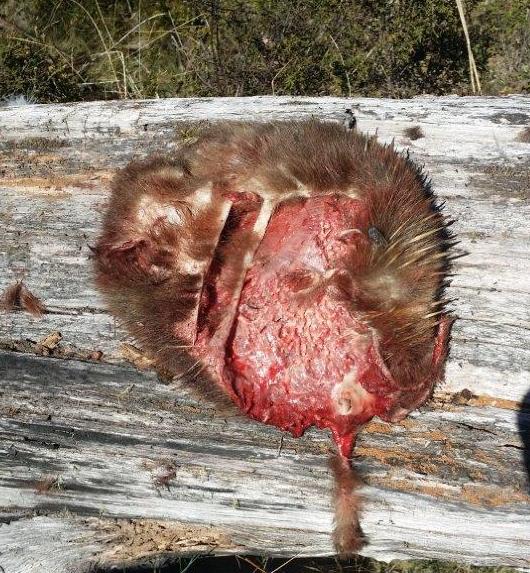
Poor thing turned out to be an Echidna (Spiny ant eater)
It had been caught and flipped by a bird and was now just a skin with its spines attached. Like a beanie.
Bit further along and a very dead wombat and properly on the nose.
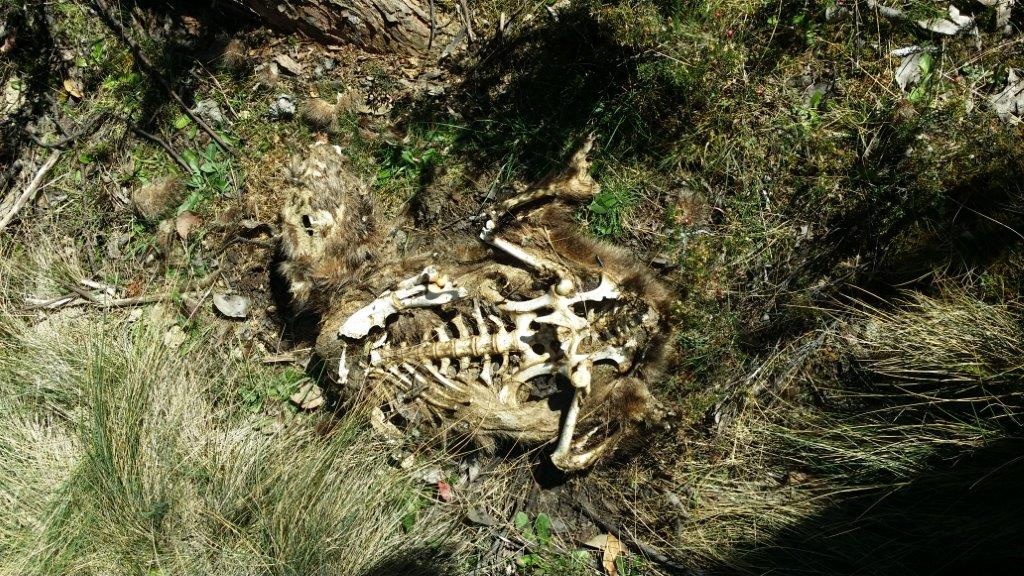
It was rank. Not sure how it met its demise.
First, old stones (placed around the corner peg in 1899)
This sort of surveying is what I grew up on. Couldn't beat it and was always keen to pounce on any that came my way.
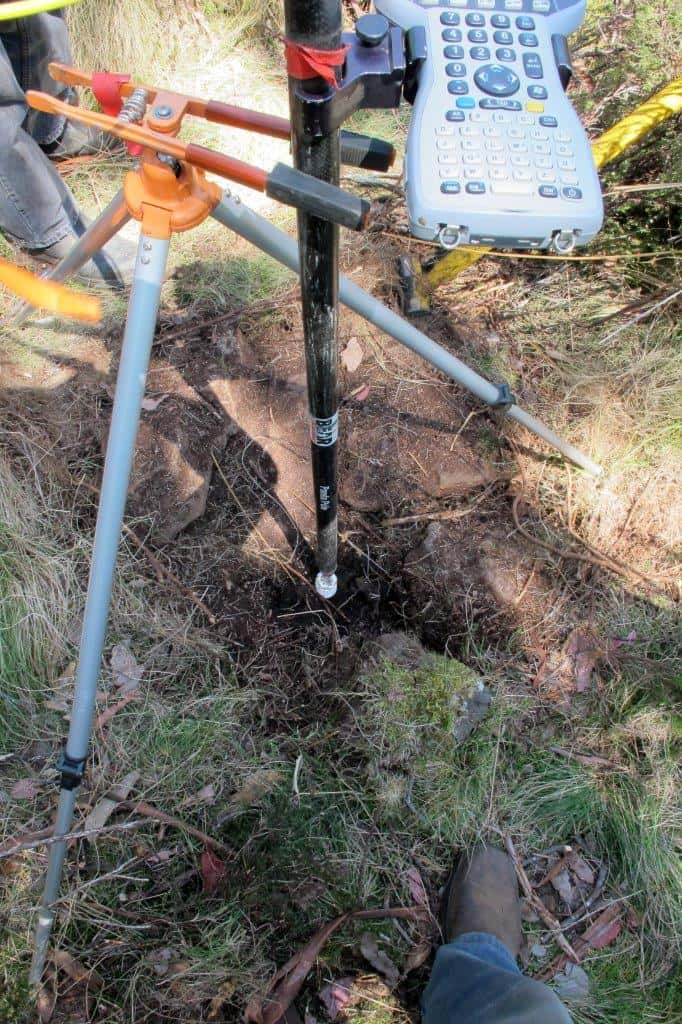
North east corner (7A) of 3-15LO -copy of original survey
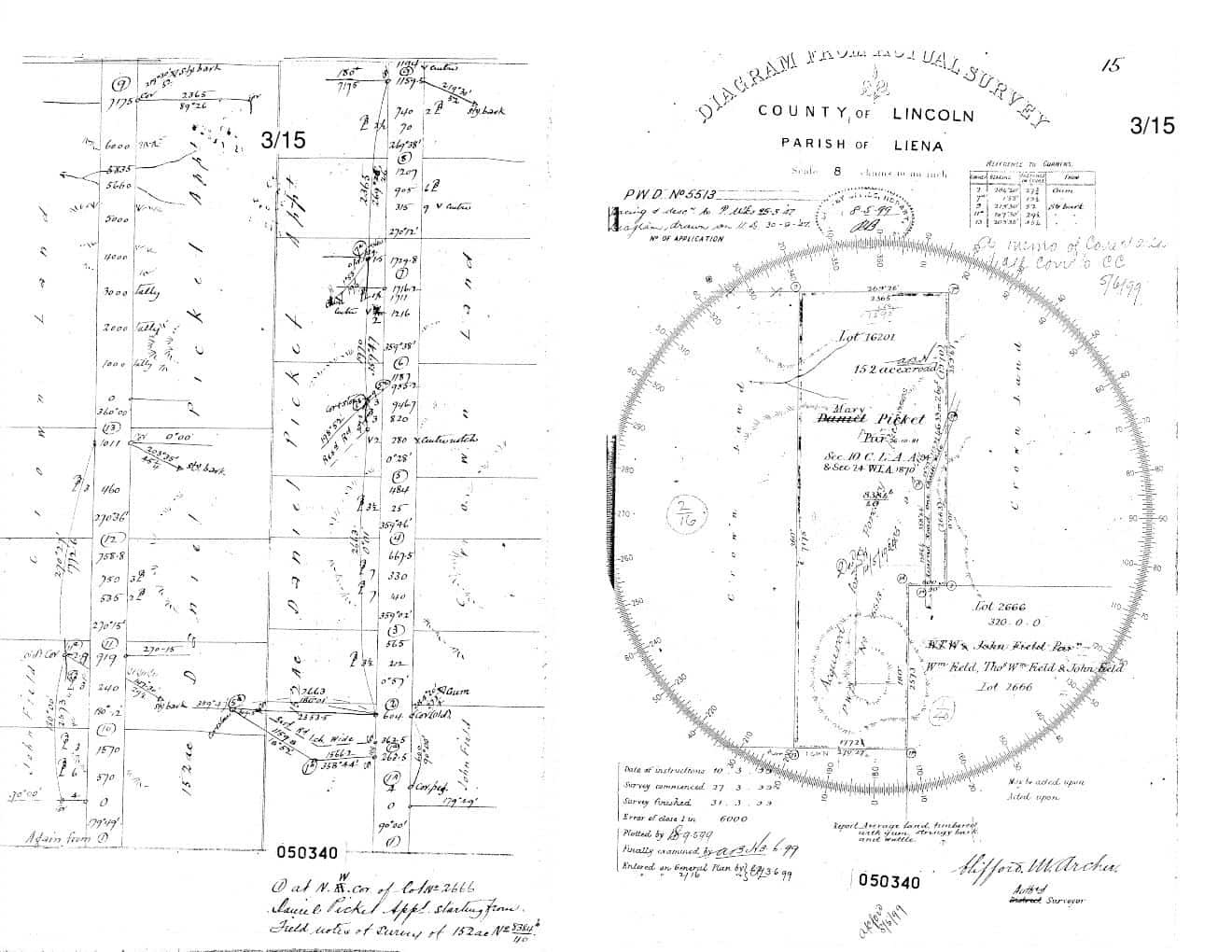
Followed by another old stones and its reference at northwest corner of 4-16LO
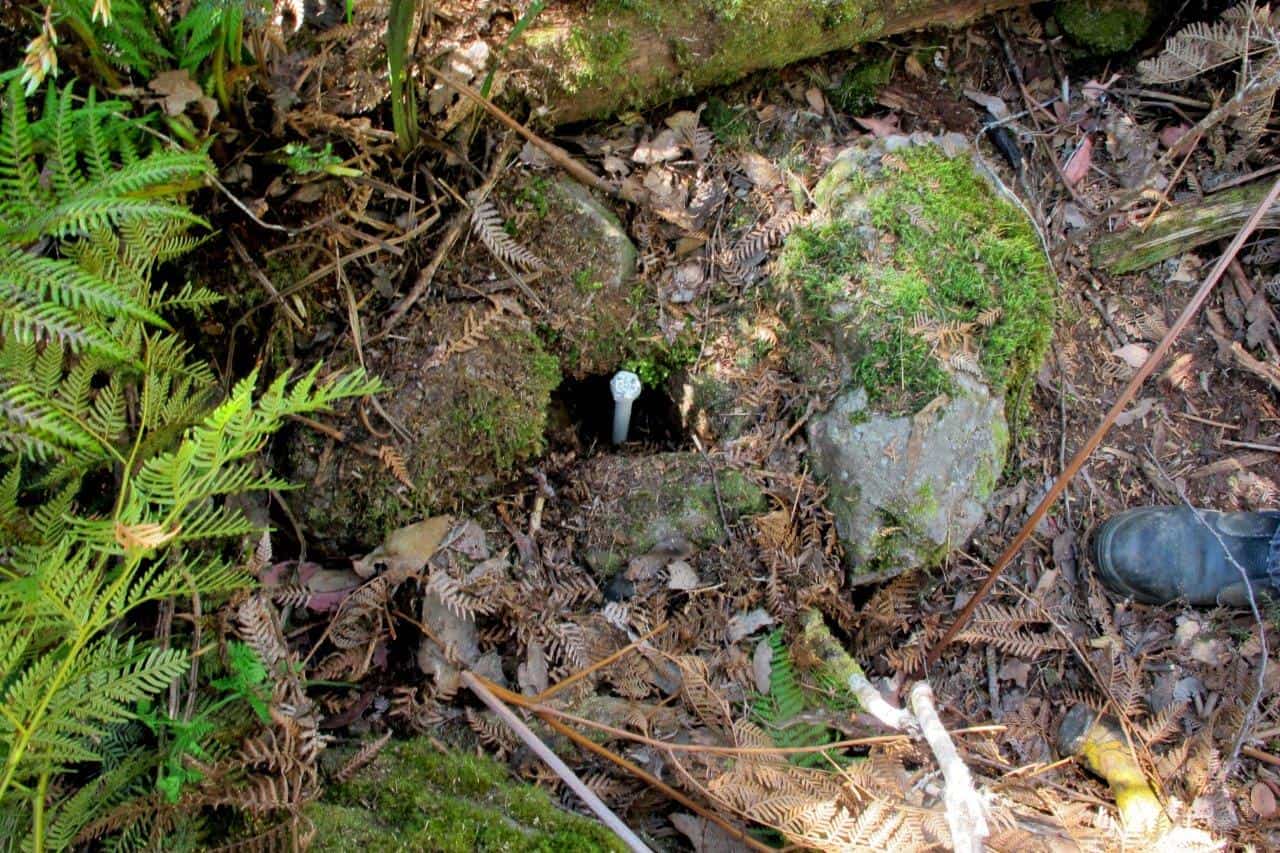
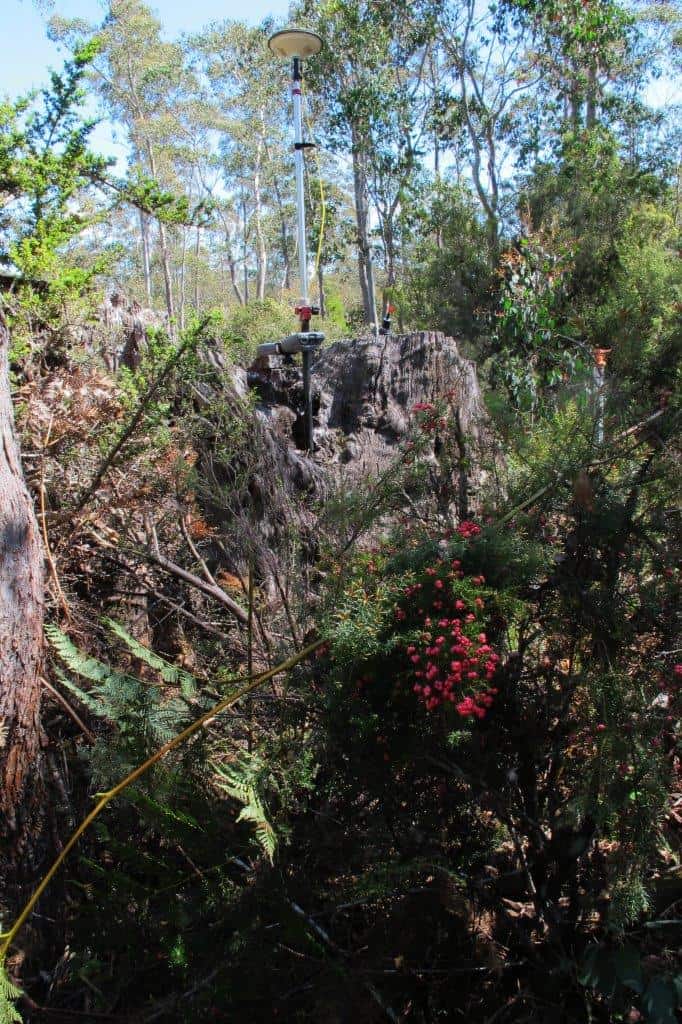
Following is back side of reference in a 2.2 metre diam stump
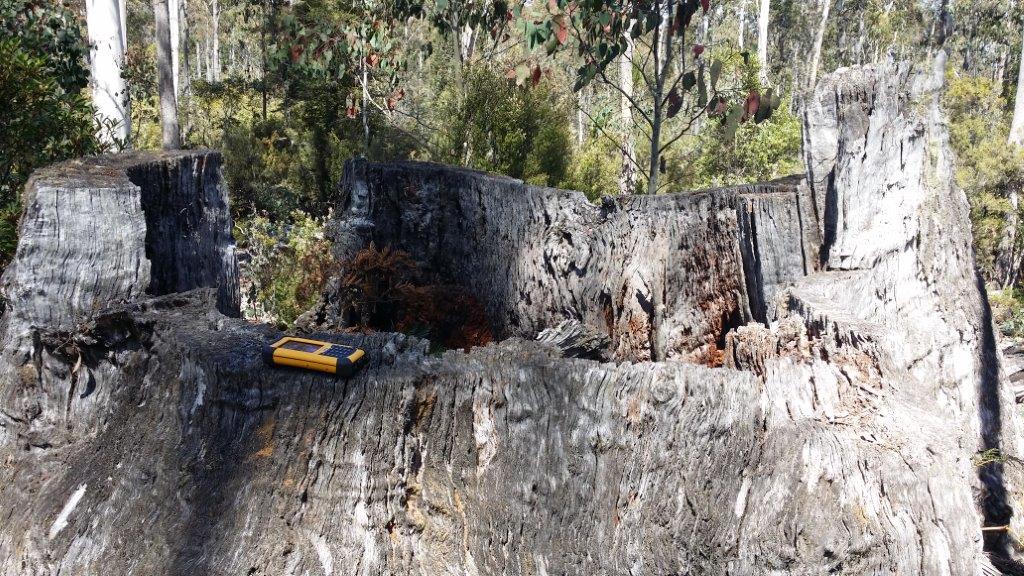
Oh! Meant to mark the reference mark - about 3 lengths of DC to right and inside stump
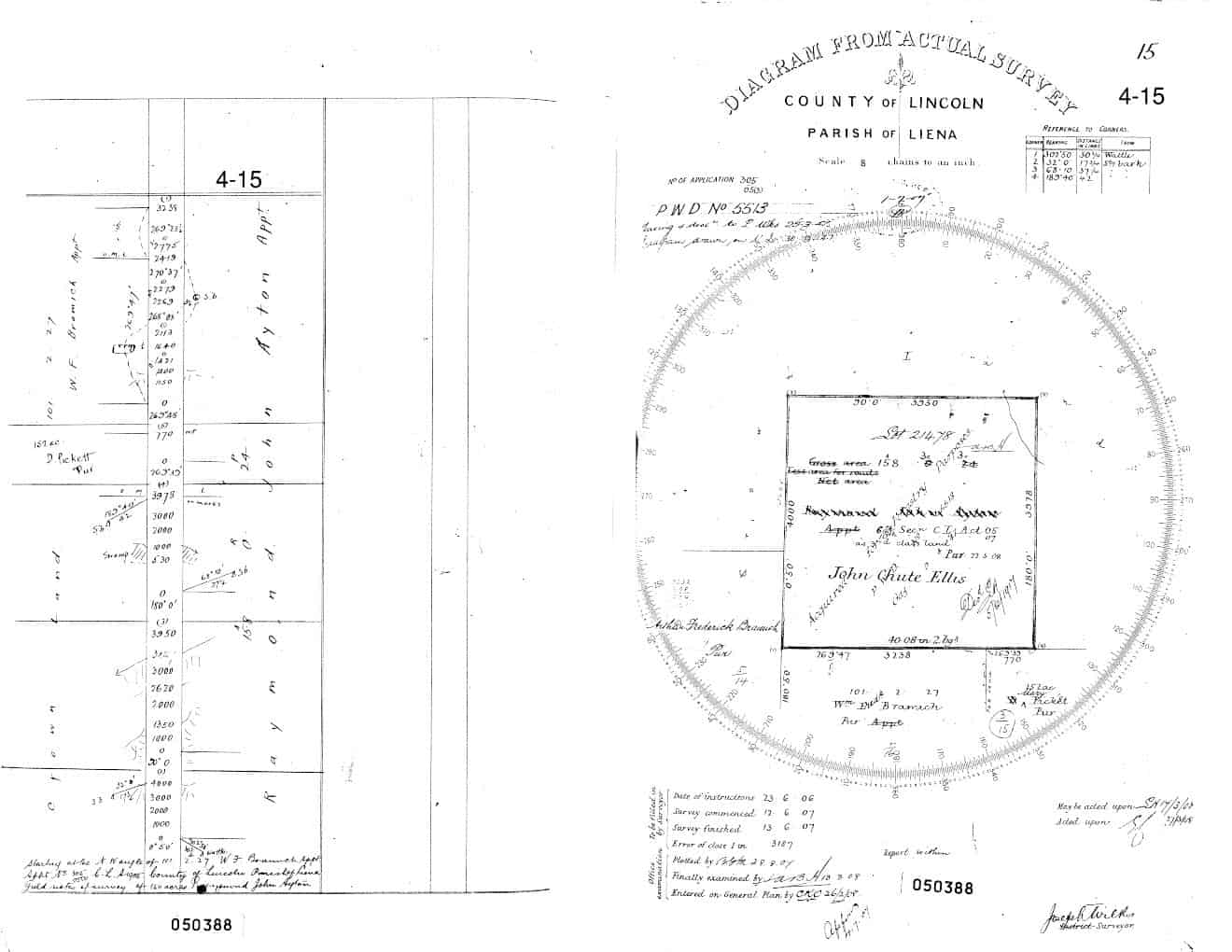
4-15LO copy of original survey of 1907
Some typical country - open grass plains and bush
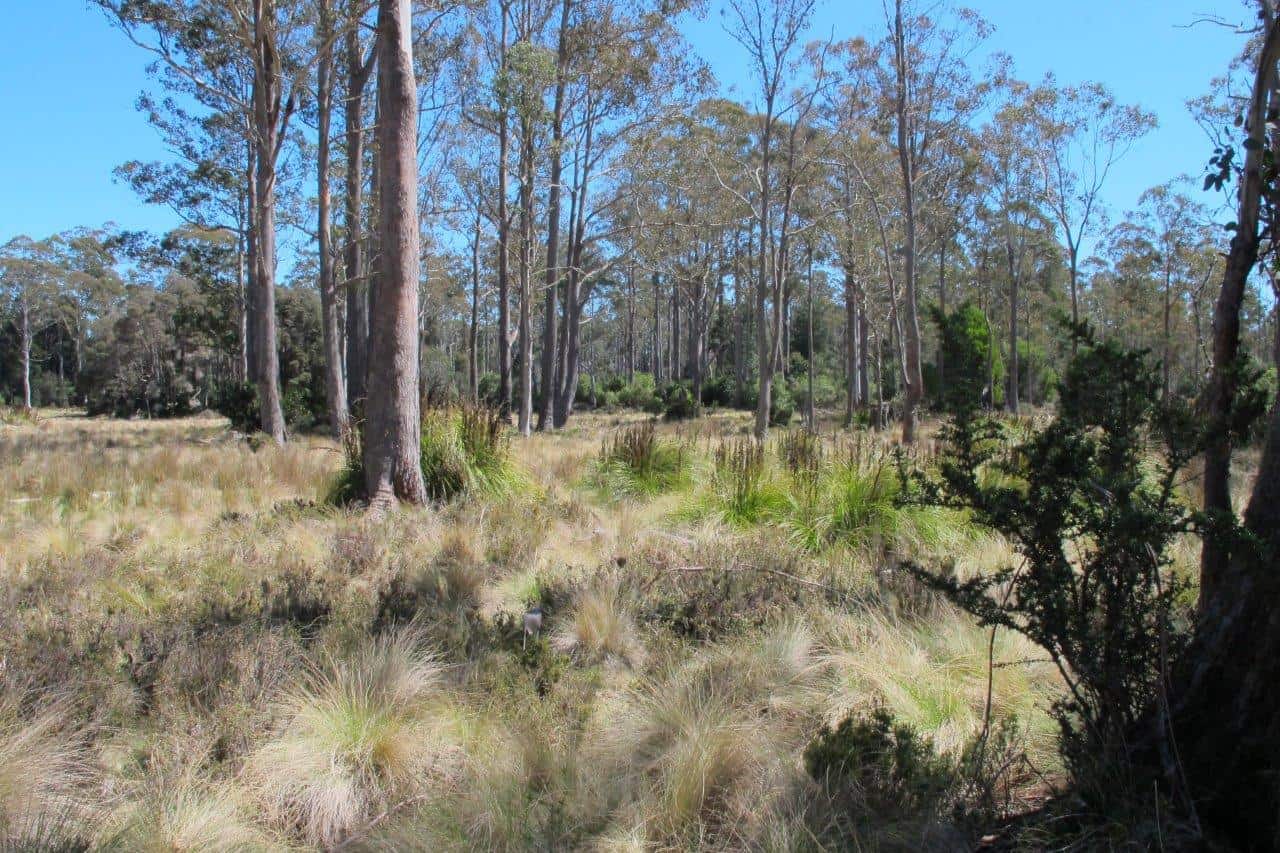
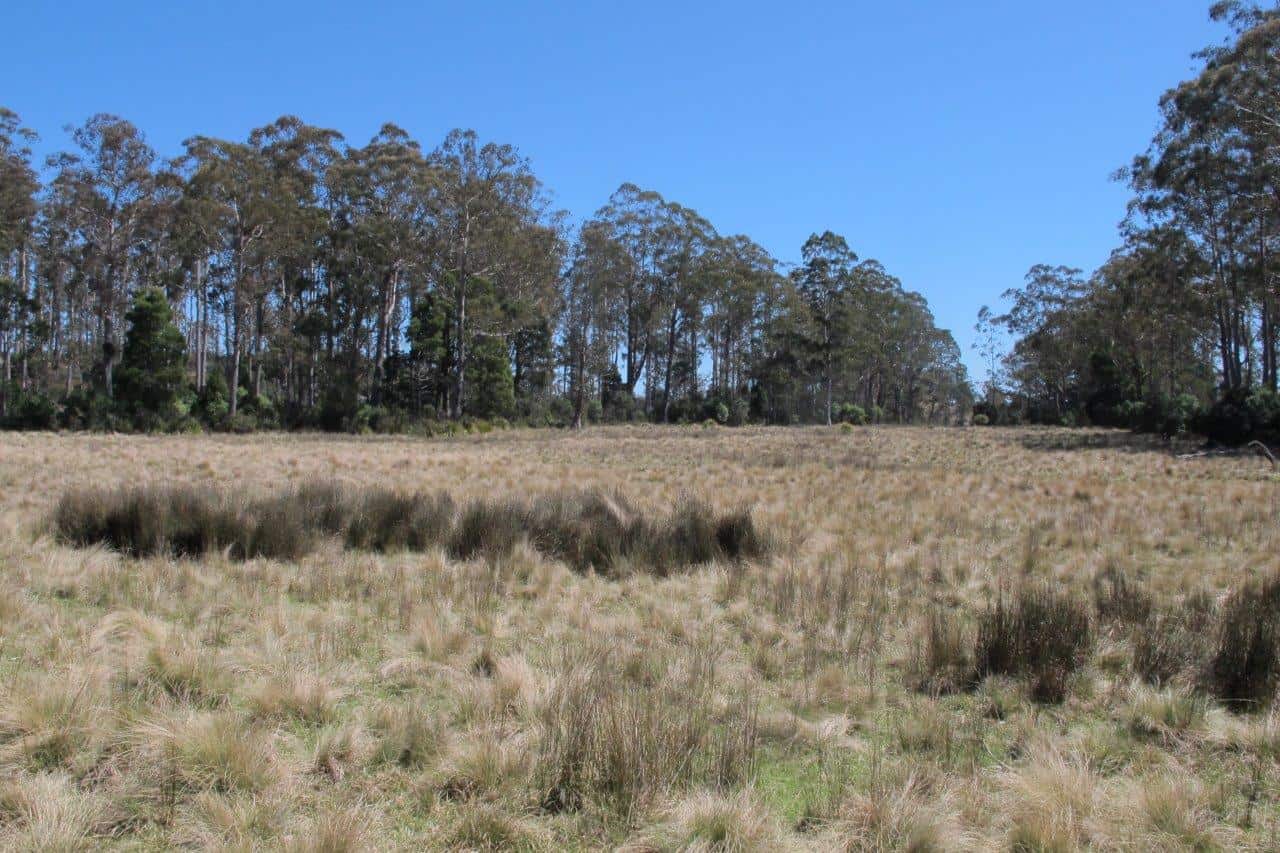
Couple days later right on the coast and though very pleasant just wasn't anything as pleasurable as traipsing through the scrub on previous days.
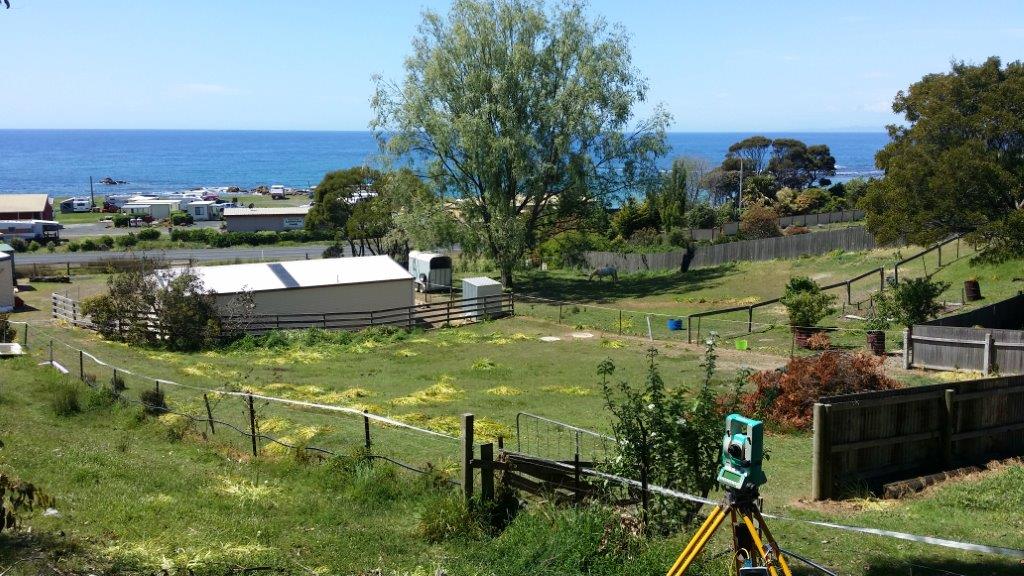
It was a job I've surveyed twice in the past and was very pleased to find I agreed with previous measurements from 3 - 8 mm.
All made for a very rewarding and satisfying week.
Posted : November 1, 2015 4:25 am

Translate
▼
English
Spanish
French
German
Italian
Portuguese
Russian
Chinese
Japanese
Korean
Arabic
Hindi
Dutch
Polish
Turkish
Vietnamese
Thai
Swedish
Danish
Finnish
Norwegian
Czech
Hungarian
Romanian
Greek
Hebrew
Indonesian
Malay
Ukrainian
Bulgarian
Croatian
Slovak
Slovenian
Serbian
Lithuanian
Latvian
Estonian
That's purty country, kinda reminds me of LA (er, Lower Alabama, that is...)
Posted : November 1, 2015 7:48 am

Translate
▼
English
Spanish
French
German
Italian
Portuguese
Russian
Chinese
Japanese
Korean
Arabic
Hindi
Dutch
Polish
Turkish
Vietnamese
Thai
Swedish
Danish
Finnish
Norwegian
Czech
Hungarian
Romanian
Greek
Hebrew
Indonesian
Malay
Ukrainian
Bulgarian
Croatian
Slovak
Slovenian
Serbian
Lithuanian
Latvian
Estonian
Love this survey stories!
Thanks for sharing!
Posted : November 1, 2015 7:49 am

Translate
▼
English
Spanish
French
German
Italian
Portuguese
Russian
Chinese
Japanese
Korean
Arabic
Hindi
Dutch
Polish
Turkish
Vietnamese
Thai
Swedish
Danish
Finnish
Norwegian
Czech
Hungarian
Romanian
Greek
Hebrew
Indonesian
Malay
Ukrainian
Bulgarian
Croatian
Slovak
Slovenian
Serbian
Lithuanian
Latvian
Estonian
Thank you for sharing these photos. This is as close as I will probably ever be to visiting Tasmania.
Posted : November 1, 2015 8:35 am

Translate
▼
English
Spanish
French
German
Italian
Portuguese
Russian
Chinese
Japanese
Korean
Arabic
Hindi
Dutch
Polish
Turkish
Vietnamese
Thai
Swedish
Danish
Finnish
Norwegian
Czech
Hungarian
Romanian
Greek
Hebrew
Indonesian
Malay
Ukrainian
Bulgarian
Croatian
Slovak
Slovenian
Serbian
Lithuanian
Latvian
Estonian
Thanks for the pictures, Richard. I'm wondering what kind of tree there produces a 2.2m diameter stump? Some type of eucalyptus? Are they harvested for lumber? I ask because it seems that wood would be hard to work with.
Posted : November 1, 2015 12:18 pm

Translate
▼
English
Spanish
French
German
Italian
Portuguese
Russian
Chinese
Japanese
Korean
Arabic
Hindi
Dutch
Polish
Turkish
Vietnamese
Thai
Swedish
Danish
Finnish
Norwegian
Czech
Hungarian
Romanian
Greek
Hebrew
Indonesian
Malay
Ukrainian
Bulgarian
Croatian
Slovak
Slovenian
Serbian
Lithuanian
Latvian
Estonian
Great post, thank you!
Posted : November 1, 2015 1:12 pm
Topic starter
Translate
▼
English
Spanish
French
German
Italian
Portuguese
Russian
Chinese
Japanese
Korean
Arabic
Hindi
Dutch
Polish
Turkish
Vietnamese
Thai
Swedish
Danish
Finnish
Norwegian
Czech
Hungarian
Romanian
Greek
Hebrew
Indonesian
Malay
Ukrainian
Bulgarian
Croatian
Slovak
Slovenian
Serbian
Lithuanian
Latvian
Estonian
BajaOR they are Eucalypts. That's not an uncommon size and grow a lot bigger.
I've seen a stump 6 metre Ìü.
Yes harvested for timber (your lumber)
They vary in the actual timber, our species here are generally good to work with.
Some are extremely beautiful to plane, very sweet with very long curls from a sharp plane.
Many of those old trees were split for post and rail fences, shingles for rooves, palings for fences.
In the 1930's the block I was surveying for was completely fenced with post and rail fence. Still standing. I think it's original, not redone.
Yes it's beautiful country. From the original survey I'd say in its original condition.
The grassy plains show in existence in the old surveys.
Retracing these surveys and most likely the first surveyor to do so since original, is quite something. It helps one appreciate what those original surveyors endured in horse and cart (or horse only) days.
I have a friend who has surveyed in those areas of our hinterland and we share common stories.
Posted : November 1, 2015 1:27 pm

Translate
▼
English
Spanish
French
German
Italian
Portuguese
Russian
Chinese
Japanese
Korean
Arabic
Hindi
Dutch
Polish
Turkish
Vietnamese
Thai
Swedish
Danish
Finnish
Norwegian
Czech
Hungarian
Romanian
Greek
Hebrew
Indonesian
Malay
Ukrainian
Bulgarian
Croatian
Slovak
Slovenian
Serbian
Lithuanian
Latvian
Estonian
Richard, post: 342641, member: 833 wrote: BajaOR they are Eucalypts. That's not an uncommon size and grow a lot bigger.
I've seen a stump 6 metre Ìü.
Yes harvested for timber (your lumber)
They vary in the actual timber, our species here are generally good to work with.
Some are extremely beautiful to plane, very sweet with very long curls from a sharp plane.
Many of those old trees were split for post and rail fences, shingles for rooves, palings for fences.
In the 1930's the block I was surveying for was completely fenced with post and rail fence. Still standing. I think it's original, not redone.Yes it's beautiful country. From the original survey I'd say in its original condition.
The grassy plains show in existence in the old surveys.Retracing these surveys and most likely the first surveyor to do so since original, is quite something. It helps one appreciate what those original surveyors endured in horse and cart (or horse only) days.
I have a friend who has surveyed in those areas of our hinterland and we share common stories.
your 'diagram from actual survey' looks like a nsw portion plan (cool) and your field notes look like victorian abstracts (yucky). do the filed notes ever provide you with anything that isn't documented on the 'actual survey' diagram like rock cairns and rockspits left on line between the corners, or other undocumented witness/reference marks? are they often of assistance?
Posted : November 2, 2015 1:57 am
Topic starter
Translate
▼
English
Spanish
French
German
Italian
Portuguese
Russian
Chinese
Japanese
Korean
Arabic
Hindi
Dutch
Polish
Turkish
Vietnamese
Thai
Swedish
Danish
Finnish
Norwegian
Czech
Hungarian
Romanian
Greek
Hebrew
Indonesian
Malay
Ukrainian
Bulgarian
Croatian
Slovak
Slovenian
Serbian
Lithuanian
Latvian
Estonian
Yes quite often there's a wealth of information not shown on face plan.
Stream crossings (chainage) centre marked trees, occasional prominent features as they are passed, fences and buildings (some chainage and offset), bearings out to trig stations or conspicuous rocks on nearby or distant mountains, edge of bush/ plain, tracks.
Every 10 chain there was a line peg placed and shown only in notes.
Rural surveys such as this differed in content to urban ones.
Original land grants were virgin land, so references were generally trees only. I don't think I've ever seen a grant survey (when Crown Land = Government owned land was cut up and sold or granted) where iron bars were driven in ground at corners.
That was common, mandatory in urban surveys.
They were mostly 6 link, or 4 feet from corner along the boundary.
Interesting other documents accompany the surveys at times.
Often a reply to a query from the. Surveyor General (The Boss) of Government Survey Section.
Explains why surveyor didn't follow instructions and survey extra land, or as in one of those surveys nearby in posts why he was 3å¡ off cardinal bearings. (his instrument apparently "slipped" at one of the corners.
Another letter why surveyor took so long.
Rationing during war meant supplies were short.
Another had flu and was crook for a while.
I'll dig out a few of the more interesting ones and post.
There is a wealth of information filed away about times long gone and landscapes severely changed.
I am always fascinated by those early survey notes.
Posted : November 2, 2015 4:44 am

Translate
▼
English
Spanish
French
German
Italian
Portuguese
Russian
Chinese
Japanese
Korean
Arabic
Hindi
Dutch
Polish
Turkish
Vietnamese
Thai
Swedish
Danish
Finnish
Norwegian
Czech
Hungarian
Romanian
Greek
Hebrew
Indonesian
Malay
Ukrainian
Bulgarian
Croatian
Slovak
Slovenian
Serbian
Lithuanian
Latvian
Estonian
Richard, post: 342592, member: 833 wrote: This week I had 2 very contrasting jobs.
One way out in the back blocks ("up the scrub", "way back"), the other right on the coast.
The bush job was a delight (as usual) and was retracing old surveys from 1899 to 1910å±.
We found 2 old stone piles with their remaining reference trees (now rotting stumps)As we were heading off into the thick of the job we saw what was obviously a fresh meal on a log ahead.
Poor thing turned out to be an Echidna (Spiny ant eater)
It had been caught and flipped by a bird and was now just a skin with its spines attached. Like a beanie.
Bit further along and a very dead wombat and properly on the nose.
It was rank. Not sure how it met its demise.First, old stones (placed around the corner peg in 1899)
This sort of surveying is what I grew up on. Couldn't beat it and was always keen to pounce on any that came my way.
North east corner (7A) of 3-15LO -copy of original survey
Followed by another old stones and its reference at northwest corner of 4-16LO
Following is back side of reference in a 2.2 metre diam stump
Oh! Meant to mark the reference mark - about 3 lengths of DC to right and inside stump
4-15LO copy of original survey of 1907
Some typical country - open grass plains and bush
Couple days later right on the coast and though very pleasant just wasn't anything as pleasurable as traipsing through the scrub on previous days.
It was a job I've surveyed twice in the past and was very pleased to find I agreed with previous measurements from 3 - 8 mm.
All made for a very rewarding and satisfying week.
Very Nice!
Ive been to Tassie and quite impressed. That history combined w. searching on a bushwalk is what makes this such a spectacular vocation.
Posted : November 5, 2015 2:11 am

Translate
▼
English
Spanish
French
German
Italian
Portuguese
Russian
Chinese
Japanese
Korean
Arabic
Hindi
Dutch
Polish
Turkish
Vietnamese
Thai
Swedish
Danish
Finnish
Norwegian
Czech
Hungarian
Romanian
Greek
Hebrew
Indonesian
Malay
Ukrainian
Bulgarian
Croatian
Slovak
Slovenian
Serbian
Lithuanian
Latvian
Estonian
Richard surveying in Tassie certainly so different from S Oz...
RADU
Posted : November 5, 2015 2:43 am

Translate
▼
English
Spanish
French
German
Italian
Portuguese
Russian
Chinese
Japanese
Korean
Arabic
Hindi
Dutch
Polish
Turkish
Vietnamese
Thai
Swedish
Danish
Finnish
Norwegian
Czech
Hungarian
Romanian
Greek
Hebrew
Indonesian
Malay
Ukrainian
Bulgarian
Croatian
Slovak
Slovenian
Serbian
Lithuanian
Latvian
Estonian
Richard
Very entertaining and well documented.
Some amazing places to survey, I can clearly see why you love your job!
Thanks for sharing.
Christof.
Posted : November 5, 2015 5:44 am
Topic starter
Translate
▼
English
Spanish
French
German
Italian
Portuguese
Russian
Chinese
Japanese
Korean
Arabic
Hindi
Dutch
Polish
Turkish
Vietnamese
Thai
Swedish
Danish
Finnish
Norwegian
Czech
Hungarian
Romanian
Greek
Hebrew
Indonesian
Malay
Ukrainian
Bulgarian
Croatian
Slovak
Slovenian
Serbian
Lithuanian
Latvian
Estonian
[USER=222]@RADU[/USER] yes we have some beautiful and interesting places, but your drier interland is remarkable landscape.
We had 3 weeks on the Flinders Ranges once.
I'd take any survey jobs in those areas.
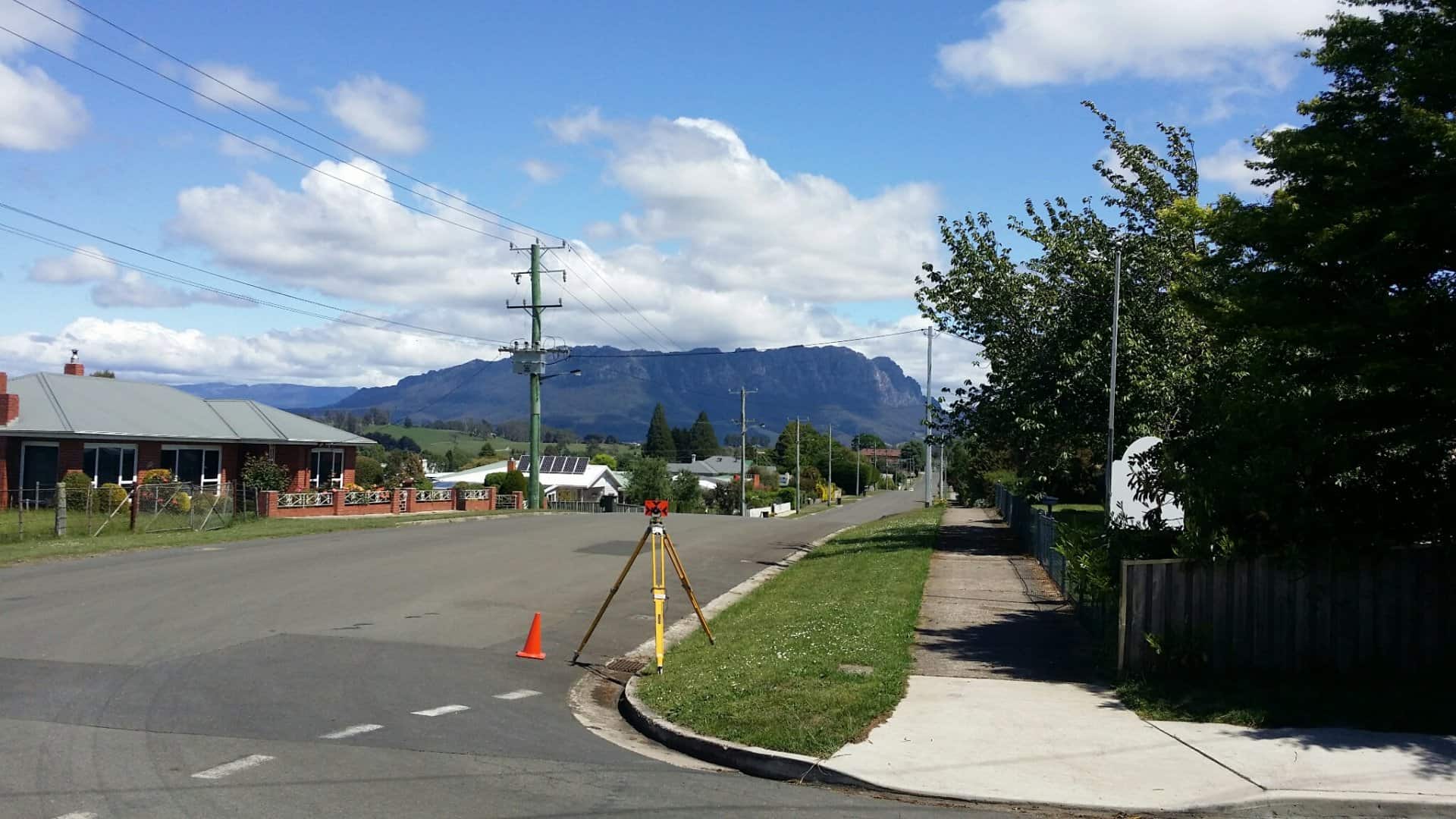
Yesterday I was sick of office work so headed out to do some local work in my town (Sheffield)
Here's what we enjoy every day.
"The Badgers"
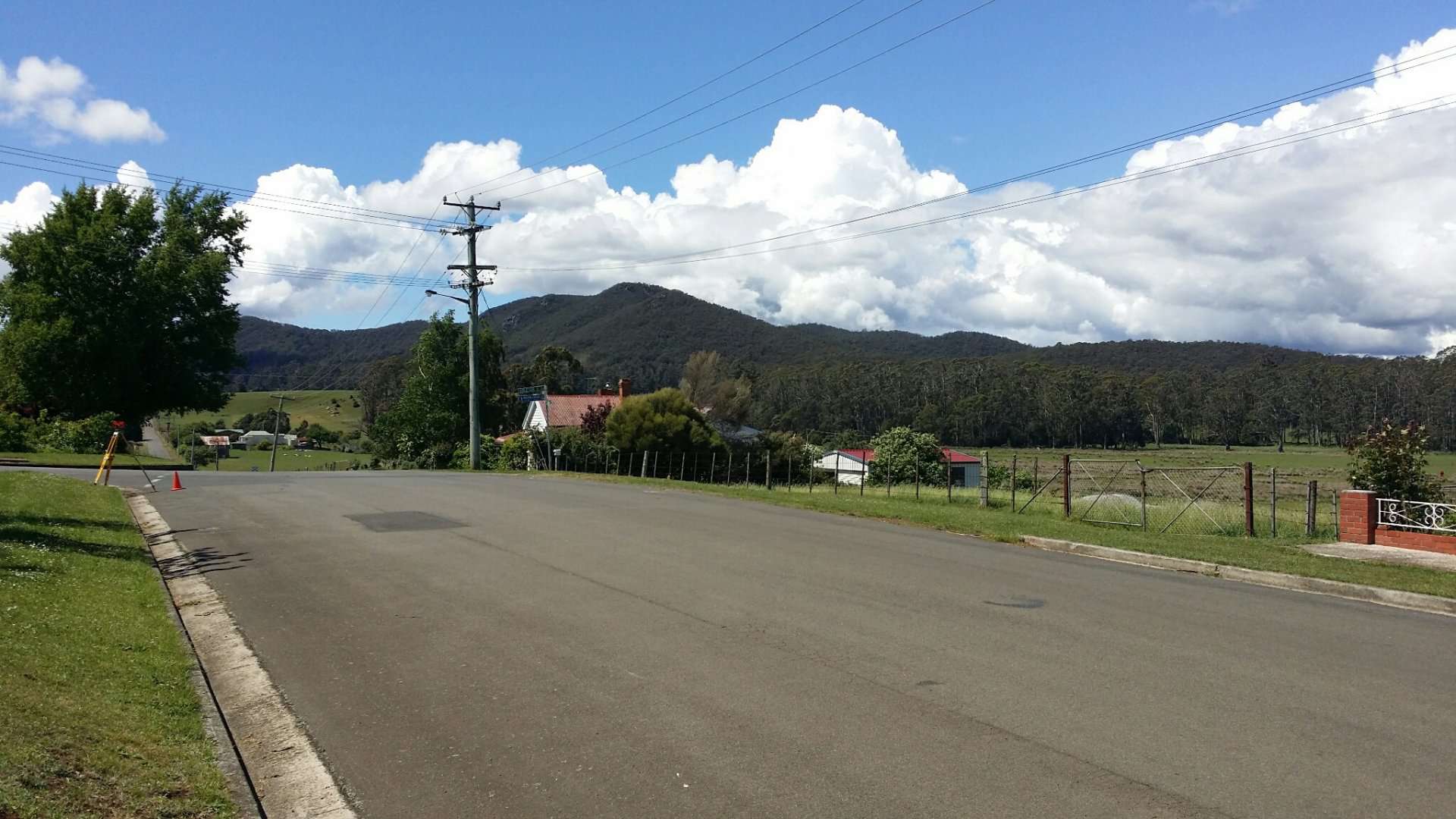
Mt. Roland
Posted : November 7, 2015 2:19 am