Reading RPLS is free for the whole profession. Members post, reply, and get the members-only rooms.

Notifications
Clear all

Topic starter
Translate
▼
English
Spanish
French
German
Italian
Portuguese
Russian
Chinese
Japanese
Korean
Arabic
Hindi
Dutch
Polish
Turkish
Vietnamese
Thai
Swedish
Danish
Finnish
Norwegian
Czech
Hungarian
Romanian
Greek
Hebrew
Indonesian
Malay
Ukrainian
Bulgarian
Croatian
Slovak
Slovenian
Serbian
Lithuanian
Latvian
Estonian
I working on a survey marker system. I'm looking for something sort of simple yet very attractive, durable and lasting. My first prototype is to use a washer that has been stamped and attach it thru the center with a drive screw. It could be attached to a rebar or pipe or even a concrete imbed.
I've had some stainless steel washers stamped for a current project. Here is a couple of pictures of a stack of the washers with a drive screw set in. This is how it would look once installed on a bar or pipe.
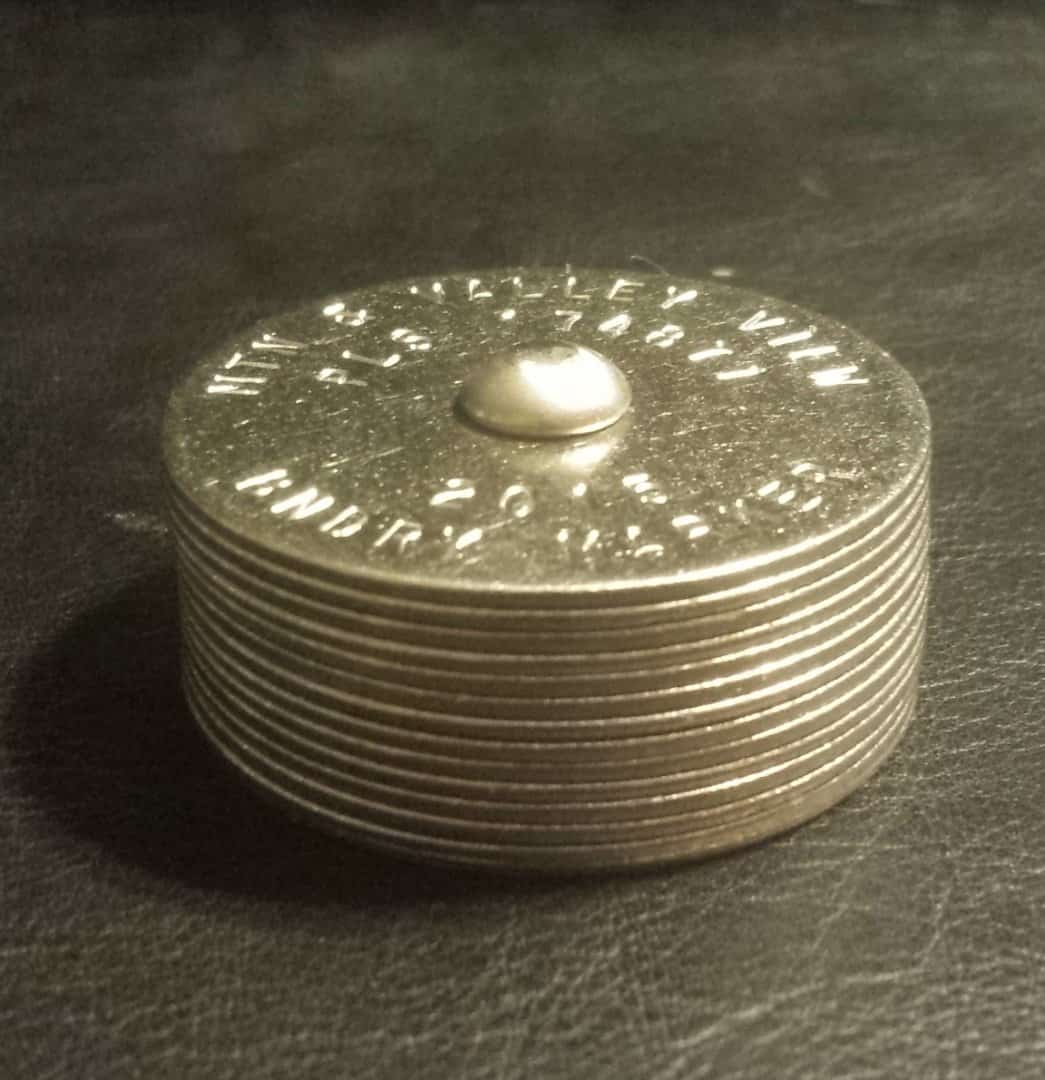
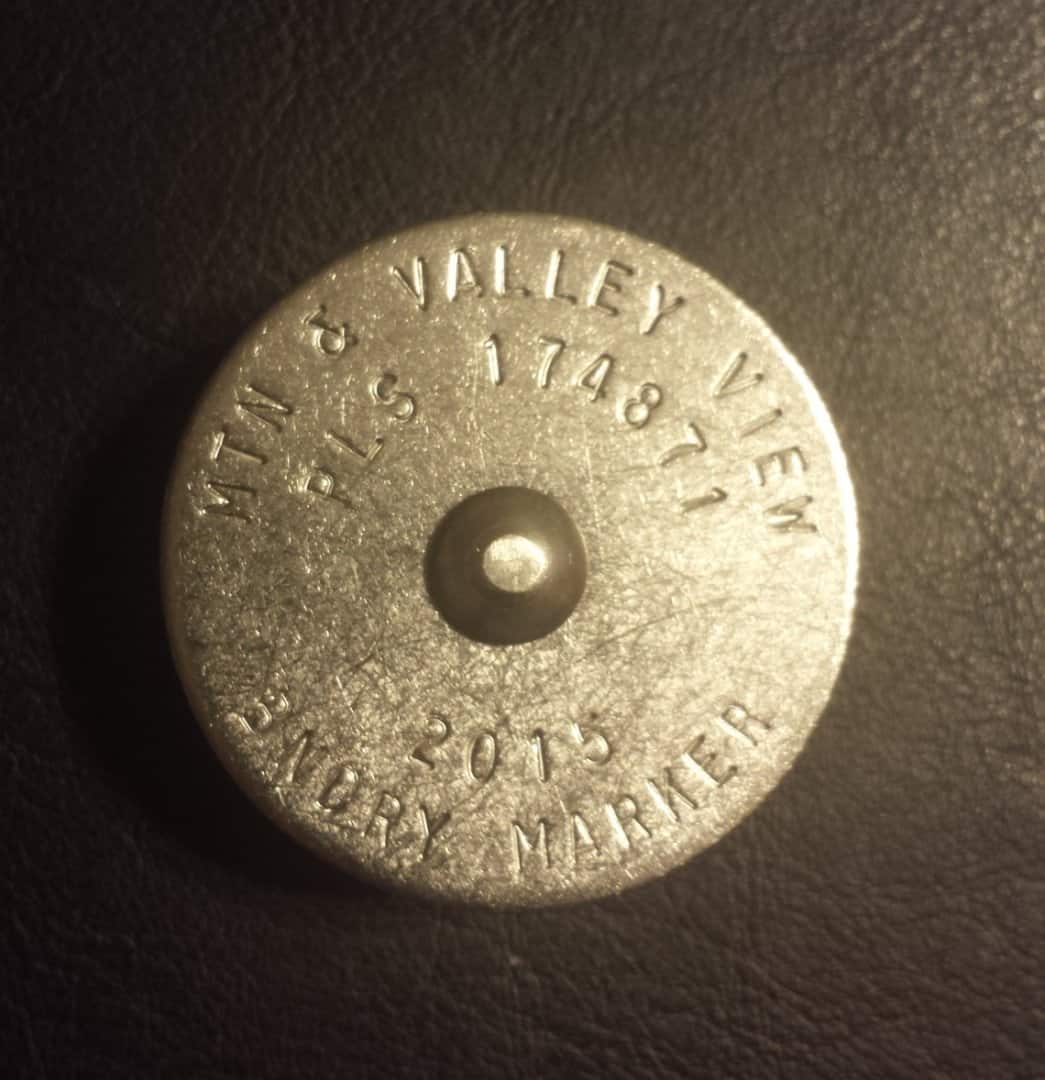
Installation would be about the same as placing a standard cap. The rebar (or pipe) would be driven in the ground (or hole dug and buried). Then you'd simply put the washer on top and pound the drive screw in tight. It would be a pretty permanent attachment.
I'm looking to see if there would be any interest in this system, whether I could sell them to land surveyors. I think the cost would be very competitive with other metal markers. They could be made of aluminum or brass but I think the stainless washer and drive screw would work the best. I'd market the washers, rebar, pipes, and imbeds as a complete marker system.
Any comments would be appreciated!
Posted : August 28, 2015 10:12 pm

Translate
▼
English
Spanish
French
German
Italian
Portuguese
Russian
Chinese
Japanese
Korean
Arabic
Hindi
Dutch
Polish
Turkish
Vietnamese
Thai
Swedish
Danish
Finnish
Norwegian
Czech
Hungarian
Romanian
Greek
Hebrew
Indonesian
Malay
Ukrainian
Bulgarian
Croatian
Slovak
Slovenian
Serbian
Lithuanian
Latvian
Estonian
I have brass washers from LoInk stamped DB KAROLY LS7849. Drive a 1" galvanized iron pipe, plug it with a yellow plastic plug (also stamped LS7849) then drive a magnail into the plug with the washer. The washer shades the plastic plug which should outlast a wooden plug.
William K. Dodge used to set a 1" or 3/4" rebar with a tag on top. I assume he drilled a hole in the top of the rebar and drove the tack with tag into it. Most of those are still intact decades later.
Bathey sold special t-bars which accepted their tack to hold a stainless steel cap on there. Most of those have lasted for decades too. The ones missing the cap were obviously hit by equipment or tools in the past. If left unmolested the caps stay attached.
Posted : August 28, 2015 10:34 pm

Translate
▼
English
Spanish
French
German
Italian
Portuguese
Russian
Chinese
Japanese
Korean
Arabic
Hindi
Dutch
Polish
Turkish
Vietnamese
Thai
Swedish
Danish
Finnish
Norwegian
Czech
Hungarian
Romanian
Greek
Hebrew
Indonesian
Malay
Ukrainian
Bulgarian
Croatian
Slovak
Slovenian
Serbian
Lithuanian
Latvian
Estonian
LRDay, post: 334084, member: 571 wrote: attach it thru the center with a drive screw. It could be attached to a rebar
For this to work with rebar you'd have to drill a hole in the top. If you predrill it, the hole is liable to get so badly deformed during driving that the pin/rivet/screw won't fit. If you attach the washer before driving, the washer is likely to get illegibly mashed. And if you don't predrill it, the field guy will have to carry a drill and try to put a hole into the top of a work-hardened rebar -- good luck with that.
I guess I don't understand how this will work with rebar.
Posted : August 29, 2015 9:44 am

Translate
▼
English
Spanish
French
German
Italian
Portuguese
Russian
Chinese
Japanese
Korean
Arabic
Hindi
Dutch
Polish
Turkish
Vietnamese
Thai
Swedish
Danish
Finnish
Norwegian
Czech
Hungarian
Romanian
Greek
Hebrew
Indonesian
Malay
Ukrainian
Bulgarian
Croatian
Slovak
Slovenian
Serbian
Lithuanian
Latvian
Estonian
They might have some great applications but too durable for property corners. I like the plastic caps that are deformed if someone tries to move them.
Posted : August 29, 2015 11:26 am
Topic starter
Translate
▼
English
Spanish
French
German
Italian
Portuguese
Russian
Chinese
Japanese
Korean
Arabic
Hindi
Dutch
Polish
Turkish
Vietnamese
Thai
Swedish
Danish
Finnish
Norwegian
Czech
Hungarian
Romanian
Greek
Hebrew
Indonesian
Malay
Ukrainian
Bulgarian
Croatian
Slovak
Slovenian
Serbian
Lithuanian
Latvian
Estonian
Jim Frame, post: 334115, member: 10 wrote: For this to work with rebar you'd have to drill a hole in the top. If you predrill it, the hole is liable to get so badly deformed during driving that the pin/rivet/screw won't fit. If you attach the washer before driving, the washer is likely to get illegibly mashed. And if you don't predrill it, the field guy will have to carry a drill and try to put a hole into the top of a work-hardened rebar -- good luck with that.
I guess I don't understand how this will work with rebar.
I've thought about that and think I have a solution but only testing will confirm. I should be doing that the next month or so. I will weld a short piece of mild steel onto a weldable deformed bar and then pre drill it. The welded on"head" will be larger than the rebar in diameter and then a driving tool used so that the hole isn't damaged. The head could be up to 2" in diameter to match the washers if I wanted it to be. I'll probably try something maybe 1-1/4 in diameter to start.
I'm working with one of the major survey monuments manufacturers on this.
Posted : August 29, 2015 12:00 pm

Translate
▼
English
Spanish
French
German
Italian
Portuguese
Russian
Chinese
Japanese
Korean
Arabic
Hindi
Dutch
Polish
Turkish
Vietnamese
Thai
Swedish
Danish
Finnish
Norwegian
Czech
Hungarian
Romanian
Greek
Hebrew
Indonesian
Malay
Ukrainian
Bulgarian
Croatian
Slovak
Slovenian
Serbian
Lithuanian
Latvian
Estonian
I have a drill with me most of the time anyway, so drilling after driving is not a problem.
A starter hole would make it easier.
Posted : August 29, 2015 12:11 pm
Translate
▼
English
Spanish
French
German
Italian
Portuguese
Russian
Chinese
Japanese
Korean
Arabic
Hindi
Dutch
Polish
Turkish
Vietnamese
Thai
Swedish
Danish
Finnish
Norwegian
Czech
Hungarian
Romanian
Greek
Hebrew
Indonesian
Malay
Ukrainian
Bulgarian
Croatian
Slovak
Slovenian
Serbian
Lithuanian
Latvian
Estonian
A Harris, post: 334145, member: 81 wrote: I have a drill with me most of the time anyway, so drilling after driving is not a problem.
Rebar is high-carbon stuff, and work-hardens easily -- the act of pounding on the top can make it way too hard to drill with conventional bits, and possibly even too hard for a carbide bit. I question the practicality of the drill-post-install approach.
Posted : August 29, 2015 12:20 pm
Translate
▼
English
Spanish
French
German
Italian
Portuguese
Russian
Chinese
Japanese
Korean
Arabic
Hindi
Dutch
Polish
Turkish
Vietnamese
Thai
Swedish
Danish
Finnish
Norwegian
Czech
Hungarian
Romanian
Greek
Hebrew
Indonesian
Malay
Ukrainian
Bulgarian
Croatian
Slovak
Slovenian
Serbian
Lithuanian
Latvian
Estonian
LRDay, post: 334143, member: 571 wrote: I will weld a short piece of mild steel onto a weldable deformed bar and then pre drill it.
What sort of price point are you aiming at with this product? It's starting to sound really expensive. Is there really a market for this animal, given that common pipe and rebar are in such widespread use and acceptance by the surveying community?
Posted : August 29, 2015 12:22 pm
Topic starter
Translate
▼
English
Spanish
French
German
Italian
Portuguese
Russian
Chinese
Japanese
Korean
Arabic
Hindi
Dutch
Polish
Turkish
Vietnamese
Thai
Swedish
Danish
Finnish
Norwegian
Czech
Hungarian
Romanian
Greek
Hebrew
Indonesian
Malay
Ukrainian
Bulgarian
Croatian
Slovak
Slovenian
Serbian
Lithuanian
Latvian
Estonian
Jim Frame, post: 334148, member: 10 wrote: What sort of price point are you aiming at with this product? It's starting to sound really expensive. Is there really a market for this animal, given that common pipe and rebar are in such widespread use and acceptance by the surveying community?
The washers are economical. The rebar will cost more. I believe that the whole "monument" will be competitive. Part of the reason for this posting is to start to get some information from working surveyors. I've always leaned to a high quality marker which costs a little more. It never made sense to me for a landowner to pay thousands for a survey and then get a few two-bit non durable plastic markers, but that seems to be the norm.
Surveyors, does this look like a nice durable marker or not? If the cost is relatively competitive would you consider using it?
Posted : August 29, 2015 12:37 pm

Translate
▼
English
Spanish
French
German
Italian
Portuguese
Russian
Chinese
Japanese
Korean
Arabic
Hindi
Dutch
Polish
Turkish
Vietnamese
Thai
Swedish
Danish
Finnish
Norwegian
Czech
Hungarian
Romanian
Greek
Hebrew
Indonesian
Malay
Ukrainian
Bulgarian
Croatian
Slovak
Slovenian
Serbian
Lithuanian
Latvian
Estonian
Here in New Zealand we use rebar only for traverse marks.
Our usual boundary markers are large (3"x4" min) wooden pegs which do not need to be stamped.

Where these pegs wont work we can use disks or spikes so long as they are clearly labelled.


Posted : August 29, 2015 3:56 pm

Translate
▼
English
Spanish
French
German
Italian
Portuguese
Russian
Chinese
Japanese
Korean
Arabic
Hindi
Dutch
Polish
Turkish
Vietnamese
Thai
Swedish
Danish
Finnish
Norwegian
Czech
Hungarian
Romanian
Greek
Hebrew
Indonesian
Malay
Ukrainian
Bulgarian
Croatian
Slovak
Slovenian
Serbian
Lithuanian
Latvian
Estonian
Here in the southeast United States wooden markers last a couple of years at the most. Rot and termites make short work of them.
Posted : August 29, 2015 4:58 pm
Translate
▼
English
Spanish
French
German
Italian
Portuguese
Russian
Chinese
Japanese
Korean
Arabic
Hindi
Dutch
Polish
Turkish
Vietnamese
Thai
Swedish
Danish
Finnish
Norwegian
Czech
Hungarian
Romanian
Greek
Hebrew
Indonesian
Malay
Ukrainian
Bulgarian
Croatian
Slovak
Slovenian
Serbian
Lithuanian
Latvian
Estonian
Andy Bruner, post: 334184, member: 1123 wrote: Here in the southeast United States wooden markers last a couple of years at the most. Rot and termites make short work of them.
We have a couple of native timbers that are ground hardy for 100 years or more. I've found some that were over 120 years old.
But the today's pegs are mostly just treated pine
Posted : August 29, 2015 6:03 pm

Translate
▼
English
Spanish
French
German
Italian
Portuguese
Russian
Chinese
Japanese
Korean
Arabic
Hindi
Dutch
Polish
Turkish
Vietnamese
Thai
Swedish
Danish
Finnish
Norwegian
Czech
Hungarian
Romanian
Greek
Hebrew
Indonesian
Malay
Ukrainian
Bulgarian
Croatian
Slovak
Slovenian
Serbian
Lithuanian
Latvian
Estonian
Hard to find those wooden pegs with a Schonstedt...not that all corners are magnetic in nature, but Florida law has mandated ferrous material for quite a while now.
Randy
Posted : August 30, 2015 9:16 am
Topic starter
Translate
▼
English
Spanish
French
German
Italian
Portuguese
Russian
Chinese
Japanese
Korean
Arabic
Hindi
Dutch
Polish
Turkish
Vietnamese
Thai
Swedish
Danish
Finnish
Norwegian
Czech
Hungarian
Romanian
Greek
Hebrew
Indonesian
Malay
Ukrainian
Bulgarian
Croatian
Slovak
Slovenian
Serbian
Lithuanian
Latvian
Estonian
Randy Rain, post: 334246, member: 35 wrote: Hard to find those wooden pegs with a Schonstedt...not that all corners are magnetic in nature, but Florida law has mandated ferrous material for quite a while now.
Randy
Many areas require some way to identify the surveyor or company that placed a marker. If a wooden stake was used you would need to tag it with a washer or something. A magnetic signal is good for finding things that have been buried or the base if they have been removed/damaged.
Posted : August 31, 2015 11:02 am

Translate
▼
English
Spanish
French
German
Italian
Portuguese
Russian
Chinese
Japanese
Korean
Arabic
Hindi
Dutch
Polish
Turkish
Vietnamese
Thai
Swedish
Danish
Finnish
Norwegian
Czech
Hungarian
Romanian
Greek
Hebrew
Indonesian
Malay
Ukrainian
Bulgarian
Croatian
Slovak
Slovenian
Serbian
Lithuanian
Latvian
Estonian
LRDay, post: 334084, member: 571 wrote: I working on a survey marker system. I'm looking for something sort of simple yet very attractive, durable and lasting. My first prototype is to use a washer that has been stamped and attach it thru the center with a drive screw. It could be attached to a rebar or pipe or even a concrete imbed.
I've had some stainless steel washers stamped for a current project. Here is a couple of pictures of a stack of the washers with a drive screw set in. This is how it would look once installed on a bar or pipe.
Installation would be about the same as placing a standard cap. The rebar (or pipe) would be driven in the ground (or hole dug and buried). Then you'd simply put the washer on top and pound the drive screw in tight. It would be a pretty permanent attachment.
I'm looking to see if there would be any interest in this system, whether I could sell them to land surveyors. I think the cost would be very competitive with other metal markers. They could be made of aluminum or brass but I think the stainless washer and drive screw would work the best. I'd market the washers, rebar, pipes, and imbeds as a complete marker system.Any comments would be appreciated!
What purpose do the multiple stacked washers serve?
I like the idea of a durable stamped washer. Surveyors around California have been using brass tags for a long time.
You will see them nailed to a bearing tree, in the top of a fence post, set with a lead and tack in concrete, tied to a pipe with copper wire, ect. I think I have even seen them set in the top of rebar. Most common was a tag/tack into a wooden peg in the center of an iron pipe (which typically fall out).
Posted : August 31, 2015 11:52 am
Topic starter
Translate
▼
English
Spanish
French
German
Italian
Portuguese
Russian
Chinese
Japanese
Korean
Arabic
Hindi
Dutch
Polish
Turkish
Vietnamese
Thai
Swedish
Danish
Finnish
Norwegian
Czech
Hungarian
Romanian
Greek
Hebrew
Indonesian
Malay
Ukrainian
Bulgarian
Croatian
Slovak
Slovenian
Serbian
Lithuanian
Latvian
Estonian
imaudigger, post: 334382, member: 7286 wrote: What purpose do the multiple stacked washers serve?
I did the stack to show the drive screw inserted for the picture. One stamped washer is all that is needed unless you wanted the beef it up.
Posted : August 31, 2015 12:41 pm

Translate
▼
English
Spanish
French
German
Italian
Portuguese
Russian
Chinese
Japanese
Korean
Arabic
Hindi
Dutch
Polish
Turkish
Vietnamese
Thai
Swedish
Danish
Finnish
Norwegian
Czech
Hungarian
Romanian
Greek
Hebrew
Indonesian
Malay
Ukrainian
Bulgarian
Croatian
Slovak
Slovenian
Serbian
Lithuanian
Latvian
Estonian
LRDay, post: 334084, member: 571 wrote: I working on a survey marker system. I'm looking for something sort of simple yet very attractive, durable and lasting. My first prototype is to use a washer that has been stamped and attach it thru the center with a drive screw. It could be attached to a rebar or pipe or even a concrete imbed.
I've had some stainless steel washers stamped for a current project. Here is a couple of pictures of a stack of the washers with a drive screw set in. This is how it would look once installed on a bar or pipe.
Installation would be about the same as placing a standard cap. The rebar (or pipe) would be driven in the ground (or hole dug and buried). Then you'd simply put the washer on top and pound the drive screw in tight. It would be a pretty permanent attachment.
I'm looking to see if there would be any interest in this system, whether I could sell them to land surveyors. I think the cost would be very competitive with other metal markers. They could be made of aluminum or brass but I think the stainless washer and drive screw would work the best. I'd market the washers, rebar, pipes, and imbeds as a complete marker system.Any comments would be appreciated!
I think freeze/thaw would pop them off here.
I like the plastic caps that are are NOT deformed (Morasse caps) if someone tries to move them.
Posted : August 31, 2015 12:49 pm
Topic starter
Translate
▼
English
Spanish
French
German
Italian
Portuguese
Russian
Chinese
Japanese
Korean
Arabic
Hindi
Dutch
Polish
Turkish
Vietnamese
Thai
Swedish
Danish
Finnish
Norwegian
Czech
Hungarian
Romanian
Greek
Hebrew
Indonesian
Malay
Ukrainian
Bulgarian
Croatian
Slovak
Slovenian
Serbian
Lithuanian
Latvian
Estonian
Jim in AZ, post: 334392, member: 249 wrote: I think freeze/thaw would pop them off here.
I'll test them to see how hard they are to pull out. I think if the rebar head or pipe diameter was as large as the washer that freeze wouldn't disturb the washer. Maybe a dose of silicone or epoxy between the washer and the head would keep water out. I expect the washer would deform before the drive screw came loose. Could go to a larger drive screw if needed.
Posted : August 31, 2015 3:03 pm