Reading RPLS is free for the whole profession. Members post, reply, and get the members-only rooms.

Notifications
Clear all
Strictly Surveying
19
Posts
6
Users
0
Reactions
1,400
Views

Topic starter
Translate
▼
English
Spanish
French
German
Italian
Portuguese
Russian
Chinese
Japanese
Korean
Arabic
Hindi
Dutch
Polish
Turkish
Vietnamese
Thai
Swedish
Danish
Finnish
Norwegian
Czech
Hungarian
Romanian
Greek
Hebrew
Indonesian
Malay
Ukrainian
Bulgarian
Croatian
Slovak
Slovenian
Serbian
Lithuanian
Latvian
Estonian
Went to a Air Force Radar reunion at Dayton and on one of the days of the reunion we made the trip to the Ohio High Point. The monument is on the location of a Air Force Radar Site that was took out of service and was changed to a Community College. The High Point Geodetic Marker is close to a building that housed the radar transmitter. I suppose the only person that considered the importance of the Geodetic Monument. All the buildings are devoted to the Community College, they are keeping the motif of the Radar going. A small museum is devoted to the history of the Radar Unit.
I was based on a Radar Site in French Morocco from November 1954 till May of 1957. Looking at that site on Google Earth, I can see where the site was located, the unit closed down and removed the radar from the site in 1962. The water reservoir is still there, that was about the only way I could move around Google Earth to find the site location. It is located about ten miles sw of Casablanca. 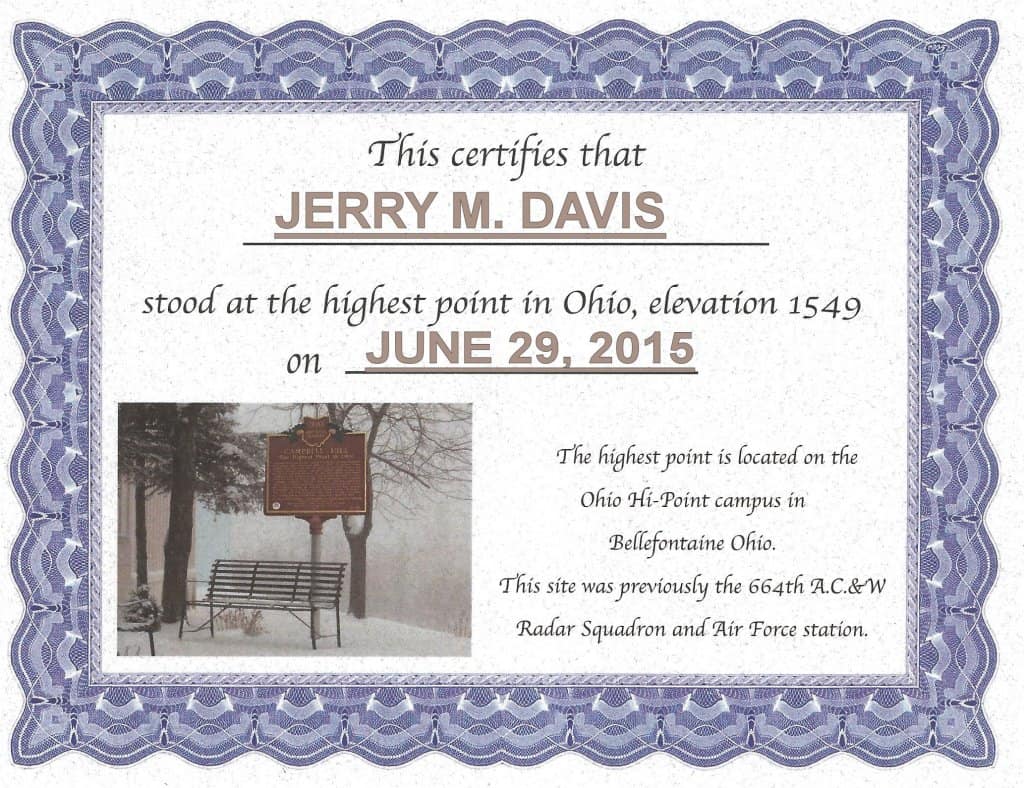
Posted : July 4, 2015 8:57 am

Translate
▼
English
Spanish
French
German
Italian
Portuguese
Russian
Chinese
Japanese
Korean
Arabic
Hindi
Dutch
Polish
Turkish
Vietnamese
Thai
Swedish
Danish
Finnish
Norwegian
Czech
Hungarian
Romanian
Greek
Hebrew
Indonesian
Malay
Ukrainian
Bulgarian
Croatian
Slovak
Slovenian
Serbian
Lithuanian
Latvian
Estonian
Jerry,
I'd be curious to hear more about your Air Force service- was your radar in Morocco used for Air Traffic Control/ GCA-Aproach, or for early warning/ Nike-Hercules air defense? I recall the Ohio site was part of the Nike-Hercules air defense system (SAGE), I think. I've spent many hours at the Air Force Museum, as I recall a sqiadron (or 2) of Convair B-36 Peacemaker 10-engine bombers deployed to Morocco during the time you were there. Any memories you'd care to share with the group?
Thanks for your service.
Nathan
Posted : July 4, 2015 7:53 pm

Translate
▼
English
Spanish
French
German
Italian
Portuguese
Russian
Chinese
Japanese
Korean
Arabic
Hindi
Dutch
Polish
Turkish
Vietnamese
Thai
Swedish
Danish
Finnish
Norwegian
Czech
Hungarian
Romanian
Greek
Hebrew
Indonesian
Malay
Ukrainian
Bulgarian
Croatian
Slovak
Slovenian
Serbian
Lithuanian
Latvian
Estonian
In 1971/72 I was in college and worked for a professor who was trying to convert one of those early-warning radars (FPS-18) in the midwest US to weather research. I remember being overwhelmed by the military maintenance manuals, since I'd never seen a schematic that took up more than two pages before.
They had an az-el antenna mount and dish on order to replace the sweep antenna. I was helping a grad student go through the electronics replacing tubes (remember those?) and broken interlock switches (that shut off the high voltage when you opened a cabinet). I recall once we bumped a door while we had the main klystron powered up, and it crowbarred the high voltage. That made your ears ring and gave you more respect for the need for safety procedures.
We ran the sweep antenna and saw planes, but shut it down when we saw interference patterns from other radars. Some tweaking of the operating frequency was going to be required. I think they got the new antenna installed after I left, but I don't know how much research got done.
I was by there a few years ago, and the radome and new antenna were gone. The place had been turned over to the farmer.
I just now found there is a Wikipedia article, and I'm going to have to see if I can improve it:
https://en.wikipedia.org/wiki/Dallas_Center_Air_Force_Station
Posted : July 5, 2015 8:53 am
Topic starter
Translate
▼
English
Spanish
French
German
Italian
Portuguese
Russian
Chinese
Japanese
Korean
Arabic
Hindi
Dutch
Polish
Turkish
Vietnamese
Thai
Swedish
Danish
Finnish
Norwegian
Czech
Hungarian
Romanian
Greek
Hebrew
Indonesian
Malay
Ukrainian
Bulgarian
Croatian
Slovak
Slovenian
Serbian
Lithuanian
Latvian
Estonian
NDrummond, post: 325834, member: 1865 wrote: Jerry,
I'd be curious to hear more about your Air Force service- was your radar in Morocco used for Air Traffic Control/ GCA-Aproach, or for early warning/ Nike-Hercules air defense? I recall the Ohio site was part of the Nike-Hercules air defense system (SAGE), I think. I've spent many hours at the Air Force Museum, as I recall a sqiadron (or 2) of Convair B-36 Peacemaker 10-engine bombers deployed to Morocco during the time you were there. Any memories you'd care to share with the group?Thanks for your service.
Nathan
The radar we had was MPS7 with a GPX 20 antenna cross the top of the Antenna that was used for the Identification Friend or Foe query. This was a manual site the SAGE came along a good while later. Our interceptor was the F-86D. We had hf radio to forward tell radar contacts to the Control Center in Rabat, they would make the decision if it was known traffic or unknown. If it was unknown we would scramble the F-86D to intercept, they were based on the Air Base about four miles or so as the crow flies from our radar site. The control center didn't have radar, there were four radar sites in Morocco. My site was the best one being close to Casablanca the others were remote, one was way out in the desert. The B-36 aircraft came over on temporary duty tours of 90 days out of the Air Base at Fort Worth. We were always glad to see them go back to Fort Worth. The prices of everything in Casablanca doubled or more while they were there. SAC was paying them extra pay for being away from home base. Those fool things would stay up at least ten hours and sometimes up to fifteen hours or so and just flying around and us having to keep track of them. They would make jamming runs on us but their jamming was not very good. The would throw out chaff, that just looked like a cloud on or screen and would only hide additional aircraft. If you heard one B-36 flyover you would have no problem the rest of your life knowing that sound. No other aircraft that I know of made the same sound. The radar sites were there to protect the three big Air Bases in Morocco. The base close to us would get B-36 airplanes, the other bases got B-47 to north east of us and the one to the south of us got KC-97 tankers. All were SAC airplanes. I left there in May of 1957 and went back stateside and went through Pilot Training by the Aviation Cadet program. In 1960 and 1961, I made several trips back to the base in Morocco in the B-47, we were based at Schilling AFB, Salina Kansas. We were in Morocco on Nuke alert duty. In late 1961 we quit going to Morocco and went to Seville, Spain for our Nuke Alert. The US Air Force left Morocco by the end of 1962. I spent five years in the B-47 at Salina, Kansas, we had local Nuke Alert and had Nuke alert at Alaska, Guam, Morocco, Spain and England while I was there. The base was took off the war plan in late 1964 and I managed to get accepted into the U-2 Program at Tucson, Arizona.
Posted : July 5, 2015 5:52 pm

Translate
▼
English
Spanish
French
German
Italian
Portuguese
Russian
Chinese
Japanese
Korean
Arabic
Hindi
Dutch
Polish
Turkish
Vietnamese
Thai
Swedish
Danish
Finnish
Norwegian
Czech
Hungarian
Romanian
Greek
Hebrew
Indonesian
Malay
Ukrainian
Bulgarian
Croatian
Slovak
Slovenian
Serbian
Lithuanian
Latvian
Estonian
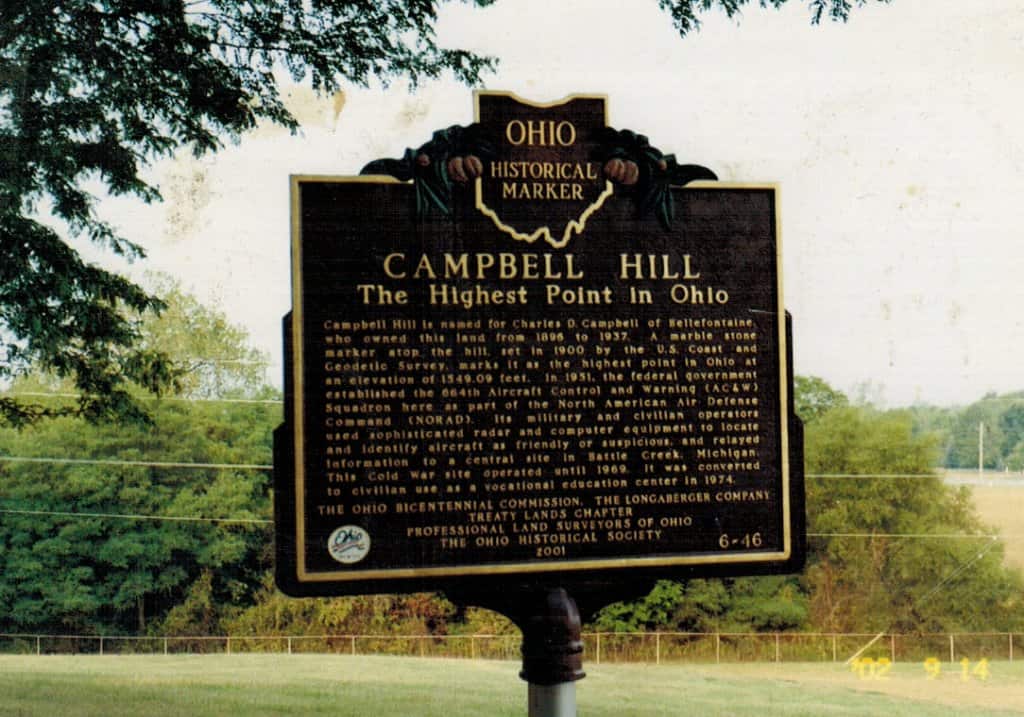 Ohio High Point Historical, on the day it was dedicated.
Posted : July 5, 2015 6:10 pm
Topic starter
Translate
▼
English
Spanish
French
German
Italian
Portuguese
Russian
Chinese
Japanese
Korean
Arabic
Hindi
Dutch
Polish
Turkish
Vietnamese
Thai
Swedish
Danish
Finnish
Norwegian
Czech
Hungarian
Romanian
Greek
Hebrew
Indonesian
Malay
Ukrainian
Bulgarian
Croatian
Slovak
Slovenian
Serbian
Lithuanian
Latvian
Estonian
Bill93, post: 325863, member: 87 wrote: In 1971/72 I was in college and worked for a professor who was trying to convert one of those early-warning radars (FPS-18) in the midwest US to weather research. I remember being overwhelmed by the military maintenance manuals, since I'd never seen a schematic that took up more than two pages before.
They had an az-el antenna mount and dish on order to replace the sweep antenna. I was helping a grad student go through the electronics replacing tubes (remember those?) and broken interlock switches (that shut off the high voltage when you opened a cabinet). I recall once we bumped a door while we had the main klystron powered up, and it crowbarred the high voltage. That made your ears ring and gave you more respect for the need for safety procedures.
We ran the sweep antenna and saw planes, but shut it down when we saw interference patterns from other radars. Some tweaking of the operating frequency was going to be required. I think they got the new antenna installed after I left, but I don't know how much research got done.
I was by there a few years ago, and the radome and new antenna were gone. The place had been turned over to the farmer.
I just now found there is a Wikipedia article, and I'm going to have to see if I can improve it:
https://en.wikipedia.org/wiki/Dallas_Center_Air_Force_Station
I never had any dealings with the FPS18, I got out of the radar business in August 1957 when I entered Pilot Training under the Aviation Cadet program. My assignment in Morocco was strictly in the operator end of the program. We had radar maintenance that did all the fixing things when the radar went down. The operators went through a school at Biloxi, Mississippi. The Maintenance folks went there also but it took over a year for them to get though their school. The operators school there was six weeks if I remember right. Maintenance folks were always on the back of the radar operator telling us how dumb we were by just having six weeks of school. We always countered with, if it wasn't for the operator the maintenance people wouldn't have a job. I never served on a radar site in the States. My class out of Biloxi was split between French Morocco, Thule, Greenland and Alaska. Myself and two others in my class were assigned to Morocco. When we got to Morocco (we went over on a troop ship out of the Navy yard in New York) they assigned us by the first letter of our last name. Me having the letter D got me assigned to Site 1, one got Site 3 and the other got Site 5. Their tour was 12 months, my tour was 18 months since it was not isolated, I extended for one year, so I got 2.5 years in Morocco. I can imagine radar changed a lot between 1957 when I left the program and when you were involved in 1971. I don't know the difference between a resistor and a capacitor. All the stuff now days is on boards that they just pull one out and put another one in. I'm not sure what the electronic school is like at Biloxi now days. I don't think they get any training with a soldering iron. The site I was on had a tech rep furnished by Philco the maker of our radar unit, of course he was payed by Philco and the Air Force paid Philco.
Posted : July 5, 2015 6:18 pm
Topic starter
Translate
▼
English
Spanish
French
German
Italian
Portuguese
Russian
Chinese
Japanese
Korean
Arabic
Hindi
Dutch
Polish
Turkish
Vietnamese
Thai
Swedish
Danish
Finnish
Norwegian
Czech
Hungarian
Romanian
Greek
Hebrew
Indonesian
Malay
Ukrainian
Bulgarian
Croatian
Slovak
Slovenian
Serbian
Lithuanian
Latvian
Estonian
Doug Crawford, post: 325912, member: 9 wrote:
Yep Doug that is it. The marker is still there. I was there a few of years ago and I did not remember the dressing up of the area around the monument. Now it has a real nice brick walk from the parking area and widens into about a 10' wide by 20 or so feet area. The reunion I just attended was at Dayton and was a reunion of all Air Force Radar sites around the world. The folks that have the community college there now, really put on a good welcome for us. Next year our reunion will be in the Dells of Wisconsin. Last year was at Reno. I went to the Packard museum in Dayton on this trip and really enjoyed that museum. I found that Packard built the Merlin engines during WWII in great numbers. Then they built the J-47 jet engine for GE, that engine was used on the F-86 fighter and the B-47 and was also used on the B-36E. I flew the F-86 and the B-47 and didn't know some of the engines were built by Packard. We had lunch at the Jersey Cow Dairy on Ohio Route 68 near Yellow Springs. I had the best ice cream I have ever tasted at that place. It has quite a good reputation, well deserved.
Posted : July 5, 2015 6:40 pm

Translate
▼
English
Spanish
French
German
Italian
Portuguese
Russian
Chinese
Japanese
Korean
Arabic
Hindi
Dutch
Polish
Turkish
Vietnamese
Thai
Swedish
Danish
Finnish
Norwegian
Czech
Hungarian
Romanian
Greek
Hebrew
Indonesian
Malay
Ukrainian
Bulgarian
Croatian
Slovak
Slovenian
Serbian
Lithuanian
Latvian
Estonian
When you stood on the peak of that hill ... that hill that is either 1549.09' or 1509(?), did you get the urge to shuffle your feet and make a 0.50' pile of dirt?
Posted : July 7, 2015 4:48 pm
Topic starter
Translate
▼
English
Spanish
French
German
Italian
Portuguese
Russian
Chinese
Japanese
Korean
Arabic
Hindi
Dutch
Polish
Turkish
Vietnamese
Thai
Swedish
Danish
Finnish
Norwegian
Czech
Hungarian
Romanian
Greek
Hebrew
Indonesian
Malay
Ukrainian
Bulgarian
Croatian
Slovak
Slovenian
Serbian
Lithuanian
Latvian
Estonian
RETIRED69, post: 326220, member: 1248 wrote: When you stood on the peak of that hill ... that hill that is either 1549.09' or 1509(?), did you get the urge to shuffle your feet and make a 0.50' pile of dirt?
The certificate that I got says 1,549 feet. The sign says 1549.09 feet. No telling what the data sheet shows, seems we get a new height and horizontal datum every few days. I don't have any idea what datum was used for the certificate or the sign. I don't suppose I'll ever have a need to check the monument since I live about 550 or so miles away. It is a pretty sight from the hill and of course the hill was a perfect place for Air Defense Radar placement.
Posted : July 7, 2015 8:18 pm
Translate
▼
English
Spanish
French
German
Italian
Portuguese
Russian
Chinese
Japanese
Korean
Arabic
Hindi
Dutch
Polish
Turkish
Vietnamese
Thai
Swedish
Danish
Finnish
Norwegian
Czech
Hungarian
Romanian
Greek
Hebrew
Indonesian
Malay
Ukrainian
Bulgarian
Croatian
Slovak
Slovenian
Serbian
Lithuanian
Latvian
Estonian
This station?
http://www.ngs.noaa.gov/cgi-bin/ds_mark.prl?PidBox=KZ2069
It doesn't have a really good elevation value.
KZ2069* NAVD 88 ORTHO HEIGHT - 463. (meters) 1519. (feet) SCALED
Posted : July 7, 2015 9:36 pm
Translate
▼
English
Spanish
French
German
Italian
Portuguese
Russian
Chinese
Japanese
Korean
Arabic
Hindi
Dutch
Polish
Turkish
Vietnamese
Thai
Swedish
Danish
Finnish
Norwegian
Czech
Hungarian
Romanian
Greek
Hebrew
Indonesian
Malay
Ukrainian
Bulgarian
Croatian
Slovak
Slovenian
Serbian
Lithuanian
Latvian
Estonian
Bill93, post: 326260, member: 87 wrote: This station?
http://www.ngs.noaa.gov/cgi-bin/ds_mark.prl?PidBox=KZ2069It doesn't have a really good elevation value.
KZ2069* NAVD 88 ORTHO HEIGHT - 463. (meters) 1519. (feet) SCALED
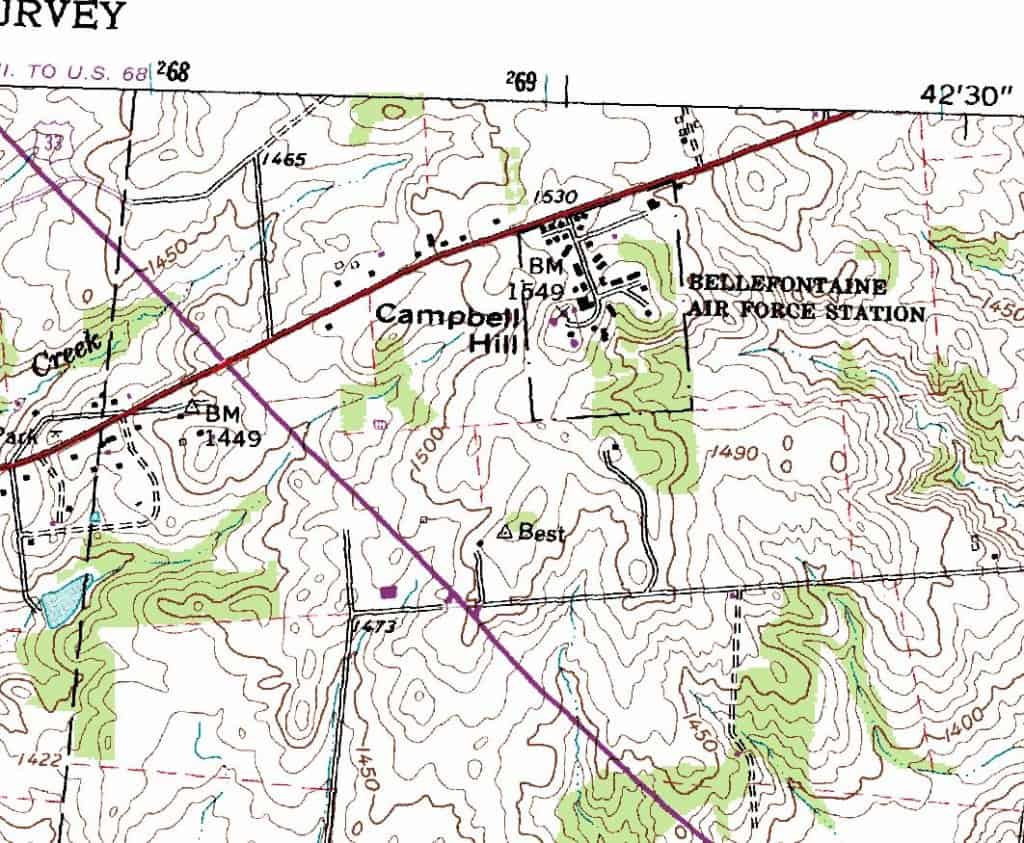
I seem to remember, a square US C & G S Monument at the 'High Point". 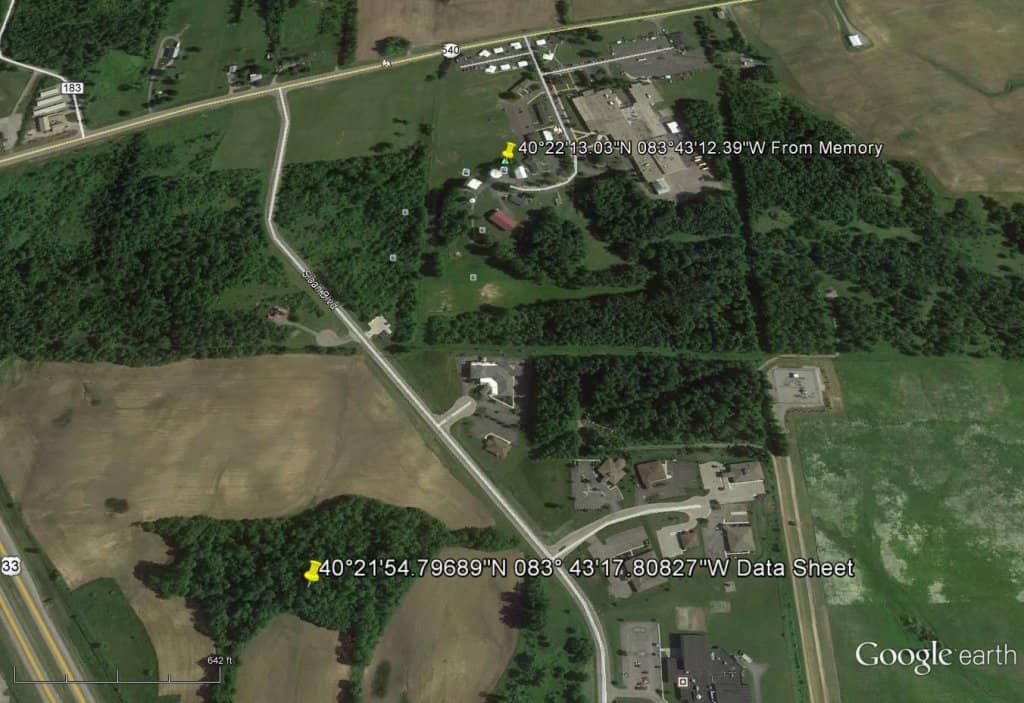 Google earth gives 1900' difference, between 'BEST" and where I place the 'historical' marker.?? I thought I had a picture, but I am unable to find it yet.
Posted : July 8, 2015 7:30 am
Translate
▼
English
Spanish
French
German
Italian
Portuguese
Russian
Chinese
Japanese
Korean
Arabic
Hindi
Dutch
Polish
Turkish
Vietnamese
Thai
Swedish
Danish
Finnish
Norwegian
Czech
Hungarian
Romanian
Greek
Hebrew
Indonesian
Malay
Ukrainian
Bulgarian
Croatian
Slovak
Slovenian
Serbian
Lithuanian
Latvian
Estonian
From the topo map.
Posted : July 8, 2015 8:10 am
Translate
▼
English
Spanish
French
German
Italian
Portuguese
Russian
Chinese
Japanese
Korean
Arabic
Hindi
Dutch
Polish
Turkish
Vietnamese
Thai
Swedish
Danish
Finnish
Norwegian
Czech
Hungarian
Romanian
Greek
Hebrew
Indonesian
Malay
Ukrainian
Bulgarian
Croatian
Slovak
Slovenian
Serbian
Lithuanian
Latvian
Estonian
Thanks, Doug. Sorry to have introduced confusion, but you certainly cleared it up.
Posted : July 8, 2015 8:33 am
Translate
▼
English
Spanish
French
German
Italian
Portuguese
Russian
Chinese
Japanese
Korean
Arabic
Hindi
Dutch
Polish
Turkish
Vietnamese
Thai
Swedish
Danish
Finnish
Norwegian
Czech
Hungarian
Romanian
Greek
Hebrew
Indonesian
Malay
Ukrainian
Bulgarian
Croatian
Slovak
Slovenian
Serbian
Lithuanian
Latvian
Estonian
Bill93, post: 326291, member: 87 wrote: Thanks, Doug. Sorry to have introduced confusion, but you certainly cleared it up.
No problem. The older I get, the less, that trust my memory. LOL
Posted : July 8, 2015 8:39 am
Topic starter
Translate
▼
English
Spanish
French
German
Italian
Portuguese
Russian
Chinese
Japanese
Korean
Arabic
Hindi
Dutch
Polish
Turkish
Vietnamese
Thai
Swedish
Danish
Finnish
Norwegian
Czech
Hungarian
Romanian
Greek
Hebrew
Indonesian
Malay
Ukrainian
Bulgarian
Croatian
Slovak
Slovenian
Serbian
Lithuanian
Latvian
Estonian
Doug Crawford, post: 326284, member: 9 wrote: I seem to remember, a square US C & G S Monument at the 'High Point".
Doug,
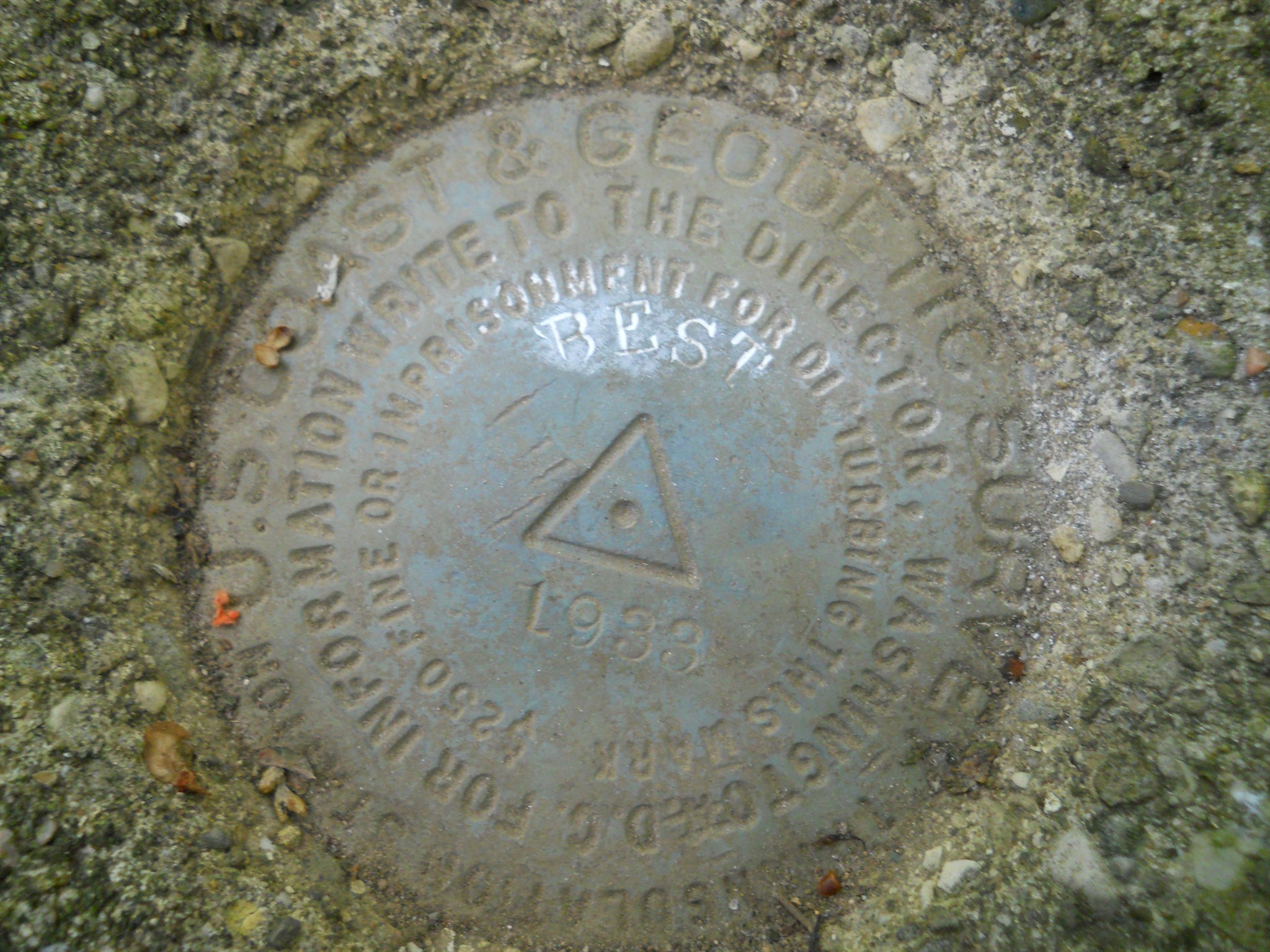
I have been to the Radar Site three times. I looked through my files and have found some photographs that I took on one of the visits. They were taken in 2012 if I remember right. The historical marker shows real good on these photographs. You can see there was a concrete monument at one time, it appears someone decided it was not needed and removed the marker. The round Monument is by The Army Corps of Engineers. It has some figures on the face that are real hard to read, not sure if it is the elevation or not, one thing it isn't the same as the one on the Historical Marker. It appears that concrete was pored around the square marker to dress the place up a bit, the Army Corps of Engineers is in the newer concrete area. The visit we made to the Radar Site last week was not good weather for photographs. A lot of Air Force Radar folks have seen the monuments in the past. Every person that I have talked with about being based there were very positive about the area.
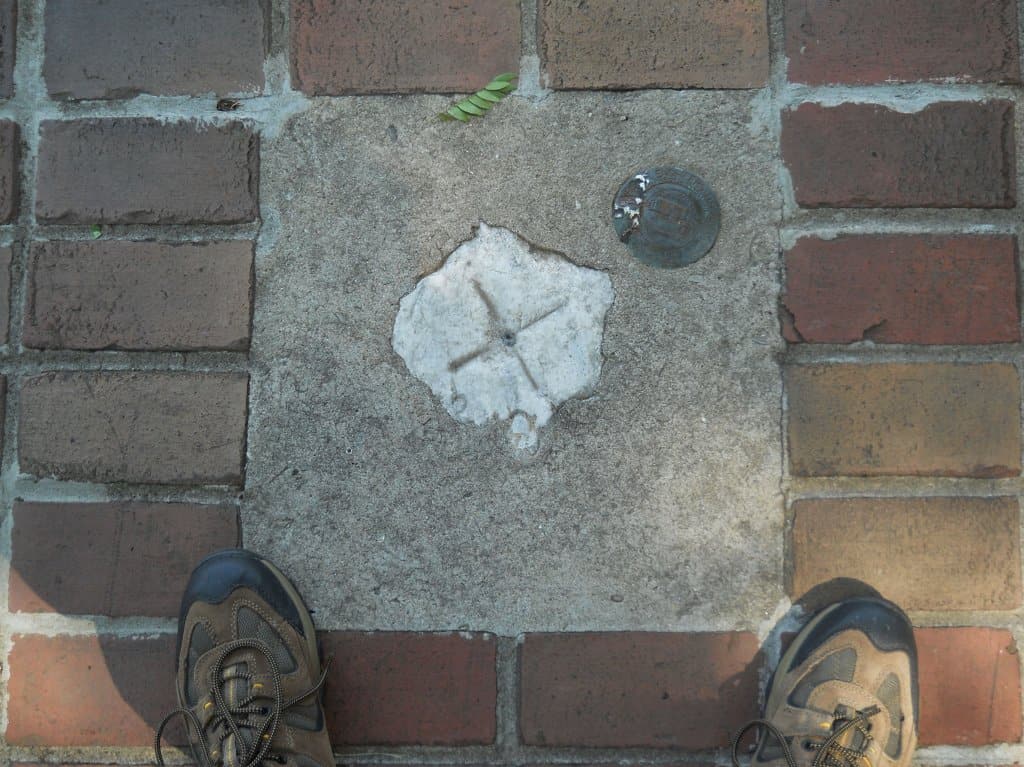
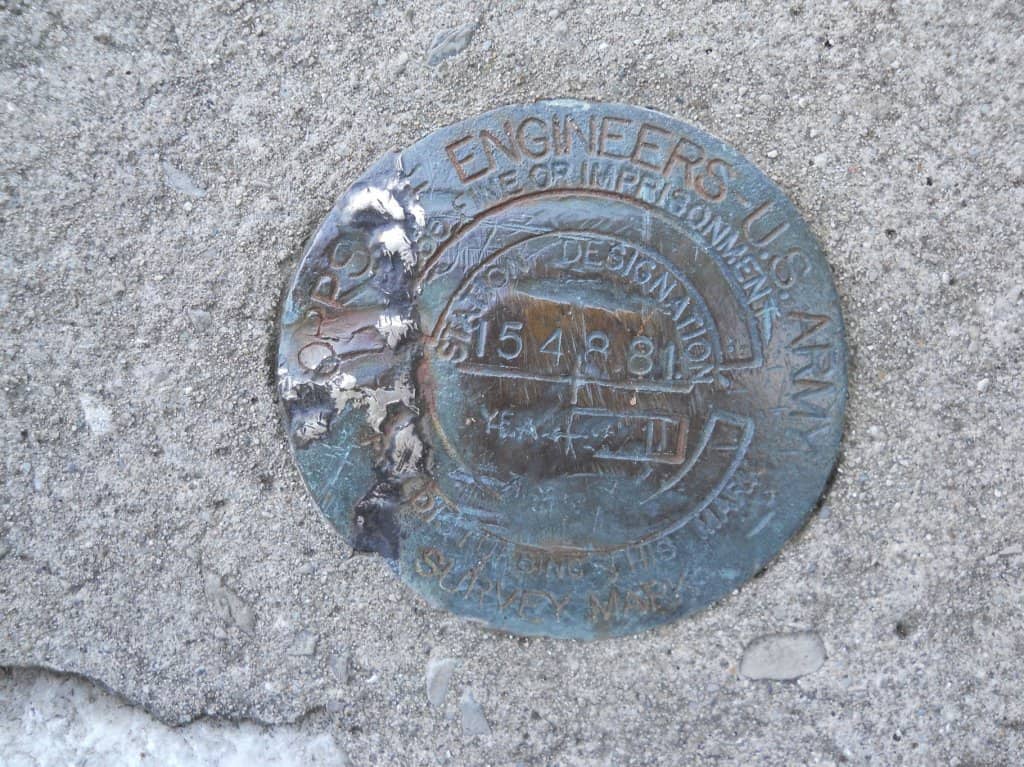
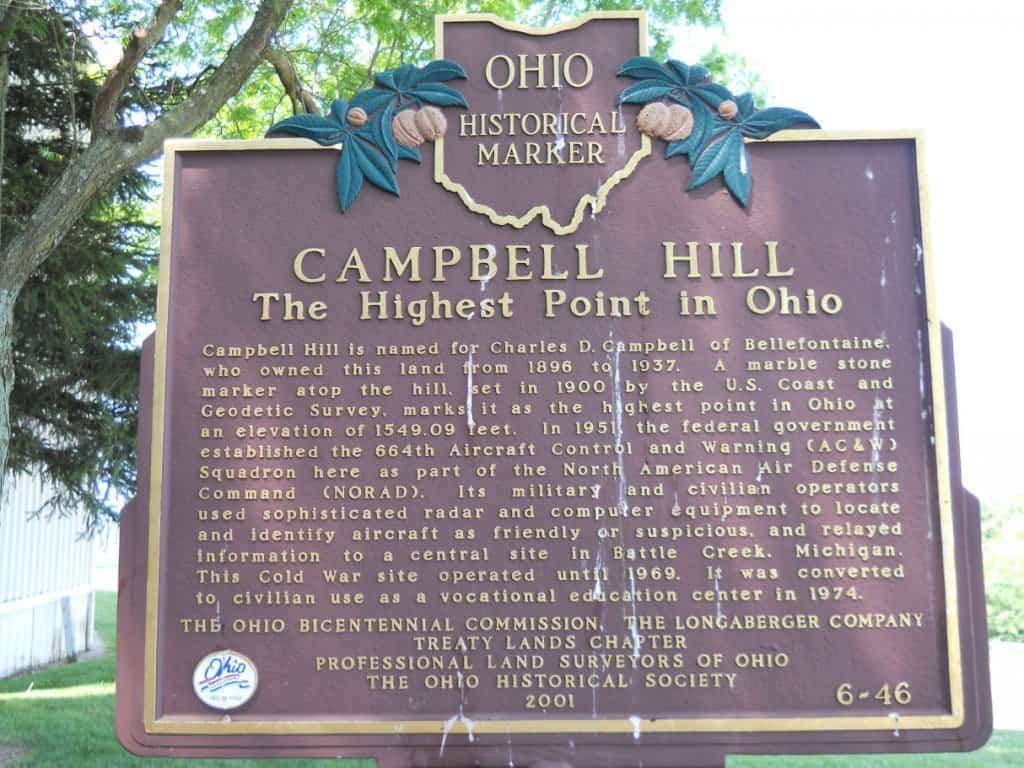
The number I read on the monument are 1548.81, I'm not sure that is the elevation or some numbers assigned for the Monument ID.
Posted : July 8, 2015 5:35 pm

Translate
▼
English
Spanish
French
German
Italian
Portuguese
Russian
Chinese
Japanese
Korean
Arabic
Hindi
Dutch
Polish
Turkish
Vietnamese
Thai
Swedish
Danish
Finnish
Norwegian
Czech
Hungarian
Romanian
Greek
Hebrew
Indonesian
Malay
Ukrainian
Bulgarian
Croatian
Slovak
Slovenian
Serbian
Lithuanian
Latvian
Estonian
jerry m. davis, post: 325906, member: 417 wrote: The B-36 aircraft came over on temporary duty tours of 90 days out of the Air Base at Fort Worth. We were always glad to see them go back to Fort Worth. The prices of everything in Casablanca doubled or more while they were there. SAC was paying them extra pay for being away from home base. Those fool things would stay up at least ten hours and sometimes up to fifteen hours or so and just flying around and us having to keep track of them.
My office is just south of what was then known as Carswell AFB and the defense plant that is now Lockheed Martin. I am in the area of the Ridglea neighborhood depicted in this video that shows 1. a standard takeoff and 2. a very non-standard takeoff.
[MEDIA=youtube]hCViKu9XlbQ[/MEDIA]
Posted : July 8, 2015 6:42 pm
Topic starter
Translate
▼
English
Spanish
French
German
Italian
Portuguese
Russian
Chinese
Japanese
Korean
Arabic
Hindi
Dutch
Polish
Turkish
Vietnamese
Thai
Swedish
Danish
Finnish
Norwegian
Czech
Hungarian
Romanian
Greek
Hebrew
Indonesian
Malay
Ukrainian
Bulgarian
Croatian
Slovak
Slovenian
Serbian
Lithuanian
Latvian
Estonian
Andy,
When I was based in French Morocco, was there from November 1954 till May 1957. The SAC troops came over on 90 day temporary duty assignments. They were from Carswell AFB and the aircraft was the B-36E. Our living quarters were a little over a mile from the runway. When they took off the noise level was loud and vibrating. Our quarters were plywood huts and each hut contained 6 or 7 people. We had one little desk and if you left a glass or drink bottle on the desk the noise from the B-36 would make them dance around on the table and most likely off the desk if they were not caught in time. We were always glad when their 90 days were gone and we could live in silence for a while. But alas in about 45 to 60 days a new bunch would come over to plague us for 90 days. There were three bases in Morocco, the B-36 would come to our base, the B-47 would go to another base and the KC-97 tanker would go to the last base. They always had all six of those pusher engines running for take off. Very seldom were all six props turning when they landed.
Posted : July 8, 2015 8:32 pm
Translate
▼
English
Spanish
French
German
Italian
Portuguese
Russian
Chinese
Japanese
Korean
Arabic
Hindi
Dutch
Polish
Turkish
Vietnamese
Thai
Swedish
Danish
Finnish
Norwegian
Czech
Hungarian
Romanian
Greek
Hebrew
Indonesian
Malay
Ukrainian
Bulgarian
Croatian
Slovak
Slovenian
Serbian
Lithuanian
Latvian
Estonian
jerry m. davis, post: 326396, member: 417 wrote: They always had all six of those pusher engines running for take off. Very seldom were all six props turning when they landed.
Yes, I read that because the B-36 was equipped with 6 prop engines and four jet engines, their original slogan was "six turning, four burning" but it quickly devolved into "two turning, two burning, two smoking, two choking, and two more unaccounted for" due to reliability issues.
Apparently the pusher configuration didn't keep the carbs warm enough to prevent icing.
I understand that the B-36 was to be stationed in Alaska and places closer to the Soviet Union, fly over to drop their atomic payload and head for Morocco and other airbases to land. Their was some question as to whether the airplane was fast enough to escape the explosion and I read where one B-36 had blast damage after a live test bomb caught up with them. Still a pretty intriguing plane and I first remember it as a model we had hanging in my Civil Air Patrol Squadron Hangar classroom in Odessa back in the 1980s. We had the last one built (appropriately named the City of Fort Worth) here in Fort Worth looking for a permanent home not long ago, but the community didn't seem to support the project and the Air Force took it back and gave it to Pima Air Musem if I recall correctly.
Interesting craft and some darn big parts.
Posted : July 9, 2015 3:00 pm
Topic starter
Translate
▼
English
Spanish
French
German
Italian
Portuguese
Russian
Chinese
Japanese
Korean
Arabic
Hindi
Dutch
Polish
Turkish
Vietnamese
Thai
Swedish
Danish
Finnish
Norwegian
Czech
Hungarian
Romanian
Greek
Hebrew
Indonesian
Malay
Ukrainian
Bulgarian
Croatian
Slovak
Slovenian
Serbian
Lithuanian
Latvian
Estonian
Andy Nold, post: 326552, member: 7 wrote: Yes, I read that because the B-36 was equipped with 6 prop engines and four jet engines, their original slogan was "six turning, four burning" but it quickly devolved into "two turning, two burning, two smoking, two choking, and two more unaccounted for" due to reliability issues.
Apparently the pusher configuration didn't keep the carbs warm enough to prevent icing.
I understand that the B-36 was to be stationed in Alaska and places closer to the Soviet Union, fly over to drop their atomic payload and head for Morocco and other airbases to land. Their was some question as to whether the airplane was fast enough to escape the explosion and I read where one B-36 had blast damage after a live test bomb caught up with them. Still a pretty intriguing plane and I first remember it as a model we had hanging in my Civil Air Patrol Squadron Hangar classroom in Odessa back in the 1980s. We had the last one built (appropriately named the City of Fort Worth) here in Fort Worth looking for a permanent home not long ago, but the community didn't seem to support the project and the Air Force took it back and gave it to Pima Air Musem if I recall correctly.
Interesting craft and some darn big parts.
I was on the B-47 from mid 1959 till early 1965. I was on three crews during that time. One of the crews had a Navigator-Bombardier that had been a Flight Engineer on the B-36, when he came on duty from ROTC there were no Pilot or Navigator slots so he was sent to school as a Flight Engineer on the B-36. The B-36 was the only airplane the Air Force had that the Flight Engineer was a Commissioned Officer, all the other aircraft it was an enlisted rank. He had gone to pilot training when they got a slot for him, during the instrument phase of pilot training he washed out and was sent to Navigator training and out of that training he was sent back to SAC as a B-47 Navigator Bombardier. By that time he was getting to be a senior Captain. When the base at Salina, Kansas closed and the B-47 program had just three more bases active with the B-47. I think he was sent to B-52 aircraft. I was lucky and got into the U-2 program and said goodby to the bombers. Lost contact with him. He was probably four or more years older than me. I'm 79 now so he most likely is dead. At our B-47 reunions I always ask if anybody has heard about him but have never had anybody say that they had contact with him after Salina, Kansas base closure. The C-124 had the same engine as the B-36 and sounded a little close to the B-36 but it was real easy to tell which was which.
Posted : July 9, 2015 8:35 pm