Reading RPLS is free for the whole profession. Members post, reply, and get the members-only rooms.

Notifications
Clear all
Strictly Surveying
25
Posts
12
Users
0
Reactions
2,284
Views

Topic starter
Translate
▼
English
Spanish
French
German
Italian
Portuguese
Russian
Chinese
Japanese
Korean
Arabic
Hindi
Dutch
Polish
Turkish
Vietnamese
Thai
Swedish
Danish
Finnish
Norwegian
Czech
Hungarian
Romanian
Greek
Hebrew
Indonesian
Malay
Ukrainian
Bulgarian
Croatian
Slovak
Slovenian
Serbian
Lithuanian
Latvian
Estonian
So I'm working on determining where the boundary between two lots is in a subdivision laid out in 1910 in Austin. One of the questions deals with when a particular rebar stake was set. The barest description of the stake would have been "found 3/8 in. rebar 24 in. long, top 10 in. severely bent; removed and straightened the bar and reset it in position of plumb base". However, there are some additional details of the bar that tells when it was set. Yes, the fact that the mill finish hasn't rusted on most of the bar is a clue, but there's more in the mill mark:
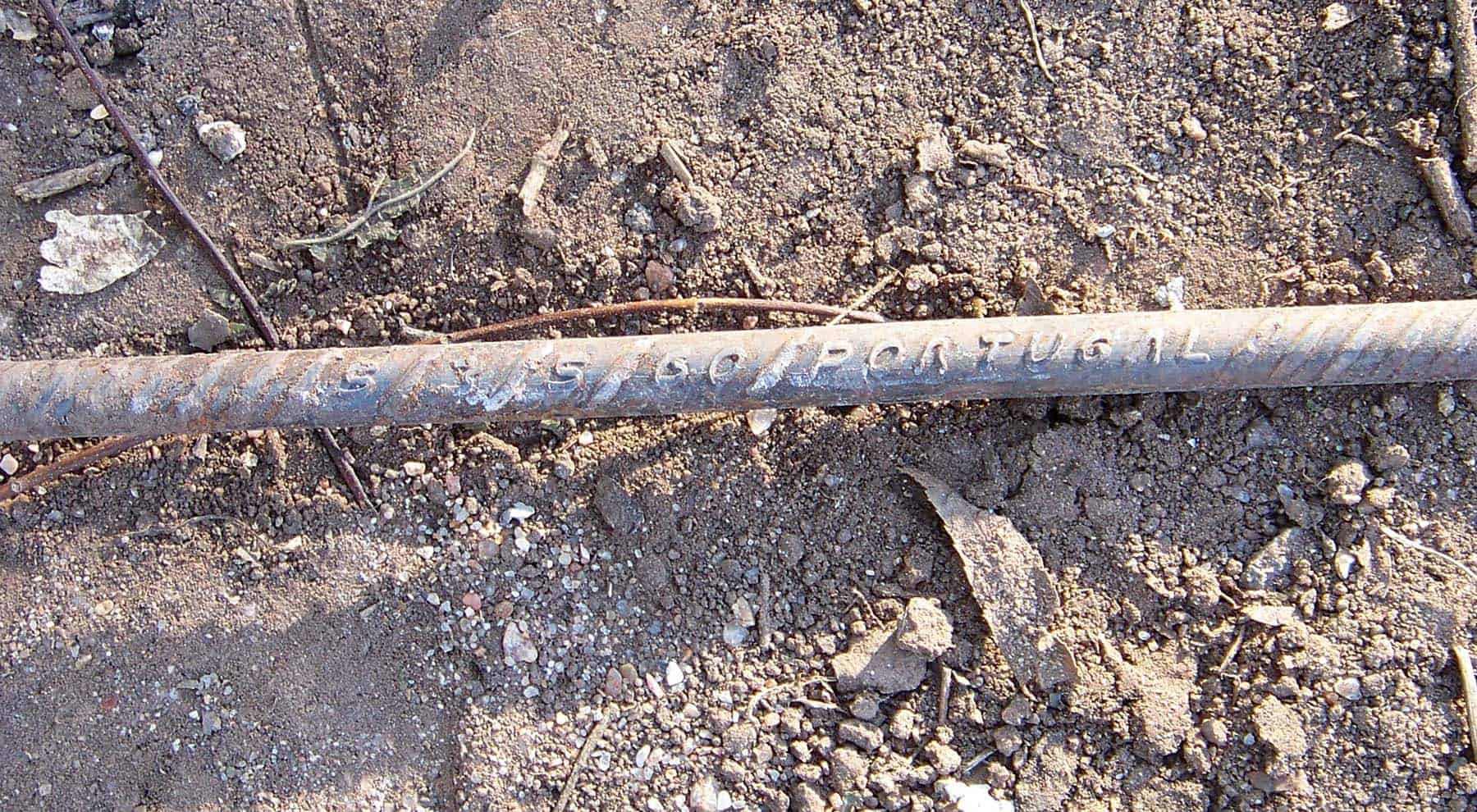
Just from the above photo, what would you conclude about when the bar was set?
Posted : November 23, 2015 8:05 pm

Translate
▼
English
Spanish
French
German
Italian
Portuguese
Russian
Chinese
Japanese
Korean
Arabic
Hindi
Dutch
Polish
Turkish
Vietnamese
Thai
Swedish
Danish
Finnish
Norwegian
Czech
Hungarian
Romanian
Greek
Hebrew
Indonesian
Malay
Ukrainian
Bulgarian
Croatian
Slovak
Slovenian
Serbian
Lithuanian
Latvian
Estonian
Quite recently, however, that *may* and *may not* be significant. I have often found MANGLED and hard to work with and rusted (nearly gone) rebar. I have PULLED them out, and RESET a fresh one. However, the NOTE on my plat says "Found bent, mangled ancient rebar, in poor condition" Replaced with 1/2" x 30" rebar, and cap" I have also been known to set a 3/8" rebar, as deep as I can get it, before the 1/2" one passes it up. Usually about a foot down. It's in my notes, but often not published. If you can find a paper trail, that establishes it's pedigree, you are back in the Happy Happy Happy!
N
Posted : November 23, 2015 8:15 pm
Topic starter
Translate
▼
English
Spanish
French
German
Italian
Portuguese
Russian
Chinese
Japanese
Korean
Arabic
Hindi
Dutch
Polish
Turkish
Vietnamese
Thai
Swedish
Danish
Finnish
Norwegian
Czech
Hungarian
Romanian
Greek
Hebrew
Indonesian
Malay
Ukrainian
Bulgarian
Croatian
Slovak
Slovenian
Serbian
Lithuanian
Latvian
Estonian
Well, the date when the bar was set should answer those questions. Based solely upon the mill mark, when would you say that it was set?
Posted : November 23, 2015 8:35 pm

Translate
▼
English
Spanish
French
German
Italian
Portuguese
Russian
Chinese
Japanese
Korean
Arabic
Hindi
Dutch
Polish
Turkish
Vietnamese
Thai
Swedish
Danish
Finnish
Norwegian
Czech
Hungarian
Romanian
Greek
Hebrew
Indonesian
Malay
Ukrainian
Bulgarian
Croatian
Slovak
Slovenian
Serbian
Lithuanian
Latvian
Estonian
That rebar looks to me like it still has some of the surface finish from the mill. It likely hasn't been in the ground over a year, perhaps much less.
Posted : November 23, 2015 8:40 pm
Topic starter
Translate
▼
English
Spanish
French
German
Italian
Portuguese
Russian
Chinese
Japanese
Korean
Arabic
Hindi
Dutch
Polish
Turkish
Vietnamese
Thai
Swedish
Danish
Finnish
Norwegian
Czech
Hungarian
Romanian
Greek
Hebrew
Indonesian
Malay
Ukrainian
Bulgarian
Croatian
Slovak
Slovenian
Serbian
Lithuanian
Latvian
Estonian
Apart from the state of corrosion - or lack thereof - though, the mill mark itself provides a clue that nails down quite well the year that bar was set. The spacing on the deformations meets the modern ASTM specification, and the "60" means it was rolled out of 60 ksi yield strength steel, grade 60 rather than grade 40, but neither of those narrow the time period very much as to when the bar was set.
Posted : November 23, 2015 8:56 pm

Translate
▼
English
Spanish
French
German
Italian
Portuguese
Russian
Chinese
Japanese
Korean
Arabic
Hindi
Dutch
Polish
Turkish
Vietnamese
Thai
Swedish
Danish
Finnish
Norwegian
Czech
Hungarian
Romanian
Greek
Hebrew
Indonesian
Malay
Ukrainian
Bulgarian
Croatian
Slovak
Slovenian
Serbian
Lithuanian
Latvian
Estonian
I find this amusing in a sad sort of way that you have to rely on a working knowledge of steel mills to establish the age of a survey mark.
How surveyors can advocate for such a system is beyond me.
Posted : November 23, 2015 9:04 pm
Topic starter
Translate
▼
English
Spanish
French
German
Italian
Portuguese
Russian
Chinese
Japanese
Korean
Arabic
Hindi
Dutch
Polish
Turkish
Vietnamese
Thai
Swedish
Danish
Finnish
Norwegian
Czech
Hungarian
Romanian
Greek
Hebrew
Indonesian
Malay
Ukrainian
Bulgarian
Croatian
Slovak
Slovenian
Serbian
Lithuanian
Latvian
Estonian
Well, this subdivision was almost certainly laid out with wood stakes marking the lot corners in 1910. On the map of the next section of it, made a couple of years later, the surveyor described how he had marked the lot corners. They were white-painted 2" x 2" x 24" wood stakes.
There actually is an adequate amount of evidence to determine the boundaries of the lots in question as originally laid out. The problem is that the Free Market solution to having land surveys made has resulted in three-hundred-dollar efforts that tend to reliably produce very high failure rates in boundary determinations. Any maps produced from those efforts are also reliably substandard.
Posted : November 23, 2015 9:21 pm
Topic starter
Translate
▼
English
Spanish
French
German
Italian
Portuguese
Russian
Chinese
Japanese
Korean
Arabic
Hindi
Dutch
Polish
Turkish
Vietnamese
Thai
Swedish
Danish
Finnish
Norwegian
Czech
Hungarian
Romanian
Greek
Hebrew
Indonesian
Malay
Ukrainian
Bulgarian
Croatian
Slovak
Slovenian
Serbian
Lithuanian
Latvian
Estonian
BTW, I should be clear that this work I'm doing is more of an autopsy than business as usual. That 3/8 in. iron rod should have had an identifying cap on it and should have been properly described on the maps produced by the two surveyors. Evidently at the $300 end of the surveying market it isn't "practical" to do all sorts of things that I would hope most ethical practitioners take for granted.
Posted : November 23, 2015 10:51 pm
Translate
▼
English
Spanish
French
German
Italian
Portuguese
Russian
Chinese
Japanese
Korean
Arabic
Hindi
Dutch
Polish
Turkish
Vietnamese
Thai
Swedish
Danish
Finnish
Norwegian
Czech
Hungarian
Romanian
Greek
Hebrew
Indonesian
Malay
Ukrainian
Bulgarian
Croatian
Slovak
Slovenian
Serbian
Lithuanian
Latvian
Estonian
Kent McMillan, post: 345771, member: 3 wrote: BTW, I should be clear that this work I'm doing is more of an autopsy than business as usual. That 3/8 in. iron rod should have had an identifying cap on it and should have been properly described on the maps produced by the two surveyors. Evidently at the $300 end of the surveying market it isn't "practical" to do all sorts of things that I would hope most ethical practitioners take for granted.
Rather you than me Kent. No wonder you seem to get a bit touchy around here as you seem to be exposed to a lot more sub standard work than most.
Posted : November 23, 2015 11:03 pm
Topic starter
Translate
▼
English
Spanish
French
German
Italian
Portuguese
Russian
Chinese
Japanese
Korean
Arabic
Hindi
Dutch
Polish
Turkish
Vietnamese
Thai
Swedish
Danish
Finnish
Norwegian
Czech
Hungarian
Romanian
Greek
Hebrew
Indonesian
Malay
Ukrainian
Bulgarian
Croatian
Slovak
Slovenian
Serbian
Lithuanian
Latvian
Estonian
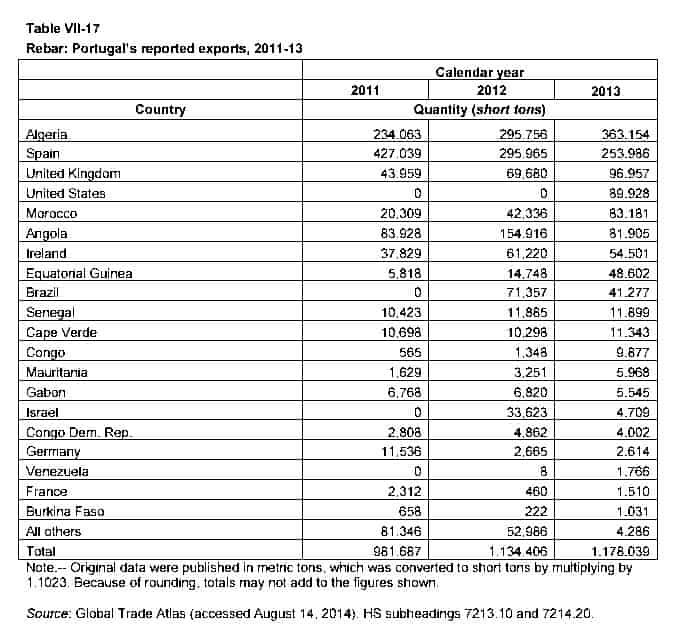
One of the claims is that the above rod was already in place, as if it were an old marker of unknown origin. The problem with that is that rebar has only been imported into the US from Portugal since 2013.
Posted : November 23, 2015 11:21 pm

Translate
▼
English
Spanish
French
German
Italian
Portuguese
Russian
Chinese
Japanese
Korean
Arabic
Hindi
Dutch
Polish
Turkish
Vietnamese
Thai
Swedish
Danish
Finnish
Norwegian
Czech
Hungarian
Romanian
Greek
Hebrew
Indonesian
Malay
Ukrainian
Bulgarian
Croatian
Slovak
Slovenian
Serbian
Lithuanian
Latvian
Estonian
"One of the claims is that the above rod was already in place..." But since the prior surveyor didn't cap it or fully describe it, he/she can claim the Portugal rebar is not what he found....
Posted : November 24, 2015 12:38 am
Translate
▼
English
Spanish
French
German
Italian
Portuguese
Russian
Chinese
Japanese
Korean
Arabic
Hindi
Dutch
Polish
Turkish
Vietnamese
Thai
Swedish
Danish
Finnish
Norwegian
Czech
Hungarian
Romanian
Greek
Hebrew
Indonesian
Malay
Ukrainian
Bulgarian
Croatian
Slovak
Slovenian
Serbian
Lithuanian
Latvian
Estonian
I heard a story about a surveyor, who "Needed to find a corner" in a given spot. He set it. Then, he stood up, slowly turned around, scanning the ground. PRESTO! he suddenly FOUND the one he previously set! So, now he is "yielding" to a previous mon.
I've been tempted. Never done it.
N
Posted : November 24, 2015 6:39 am

Translate
▼
English
Spanish
French
German
Italian
Portuguese
Russian
Chinese
Japanese
Korean
Arabic
Hindi
Dutch
Polish
Turkish
Vietnamese
Thai
Swedish
Danish
Finnish
Norwegian
Czech
Hungarian
Romanian
Greek
Hebrew
Indonesian
Malay
Ukrainian
Bulgarian
Croatian
Slovak
Slovenian
Serbian
Lithuanian
Latvian
Estonian
Kent McMillan, post: 345775, member: 3 wrote: One of the claims is that the above rod was already in place, as if it were an old marker of unknown origin. The problem with that is that rebar has only been imported into the US from Portugal since 2013.
Busted!
Posted : November 24, 2015 6:58 am

Translate
▼
English
Spanish
French
German
Italian
Portuguese
Russian
Chinese
Japanese
Korean
Arabic
Hindi
Dutch
Polish
Turkish
Vietnamese
Thai
Swedish
Danish
Finnish
Norwegian
Czech
Hungarian
Romanian
Greek
Hebrew
Indonesian
Malay
Ukrainian
Bulgarian
Croatian
Slovak
Slovenian
Serbian
Lithuanian
Latvian
Estonian
Kent McMillan, post: 345775, member: 3 wrote: One of the claims is that the above rod was already in place, as if it were an old marker of unknown origin. The problem with that is that rebar has only been imported into the US from Portugal since 2013.
The New Bedford Portuguese crime syndicates (specifically the Lingui̤a Family) have been smuggling rebar into the US from the old country (by way of the Azores) since the late 50's
Posted : November 24, 2015 8:15 am

Translate
▼
English
Spanish
French
German
Italian
Portuguese
Russian
Chinese
Japanese
Korean
Arabic
Hindi
Dutch
Polish
Turkish
Vietnamese
Thai
Swedish
Danish
Finnish
Norwegian
Czech
Hungarian
Romanian
Greek
Hebrew
Indonesian
Malay
Ukrainian
Bulgarian
Croatian
Slovak
Slovenian
Serbian
Lithuanian
Latvian
Estonian
James Fleming, post: 345797, member: 136 wrote: The New Bedford Portuguese crime syndicates (specifically the Lingui̤a Family) have been smuggling rebar into the US from the old country (by way of the Azores) since the late 50's
Is there a Scottish-Portugese organized crime connection?
Posted : November 24, 2015 8:59 am
Translate
▼
English
Spanish
French
German
Italian
Portuguese
Russian
Chinese
Japanese
Korean
Arabic
Hindi
Dutch
Polish
Turkish
Vietnamese
Thai
Swedish
Danish
Finnish
Norwegian
Czech
Hungarian
Romanian
Greek
Hebrew
Indonesian
Malay
Ukrainian
Bulgarian
Croatian
Slovak
Slovenian
Serbian
Lithuanian
Latvian
Estonian
Dave Karoly, post: 345805, member: 94 wrote: Is there a Scottish-Portugese organized crime connection?
Hmmmm...there is a Scottish-Portuguese Port connection, and ports are notorious for crime (specifically smuggling), so I'm going to have to say yes, yes there is.

Posted : November 24, 2015 9:19 am
Translate
▼
English
Spanish
French
German
Italian
Portuguese
Russian
Chinese
Japanese
Korean
Arabic
Hindi
Dutch
Polish
Turkish
Vietnamese
Thai
Swedish
Danish
Finnish
Norwegian
Czech
Hungarian
Romanian
Greek
Hebrew
Indonesian
Malay
Ukrainian
Bulgarian
Croatian
Slovak
Slovenian
Serbian
Lithuanian
Latvian
Estonian
I think that Kent's commentary about "Found" rebar is a very normal, and straightforward part of surveying.
We are SURVEYORS. That means we LOOK at the evidence. We MEASURE the distance. We measure the angles. We PUBLISH the evidence. That is NORMAL. If that is not you, then you MAY not be a surveyor. You are a human mechanical assumption device, with a survey license!
I don't want to be misunderstood. I am not saying you cannot become a surveyor. But, that you are not there yet. In some ways, we are all still becoming.
Keep learning.
A surveyor keeps learning.
N
Posted : November 24, 2015 9:32 am
Translate
▼
English
Spanish
French
German
Italian
Portuguese
Russian
Chinese
Japanese
Korean
Arabic
Hindi
Dutch
Polish
Turkish
Vietnamese
Thai
Swedish
Danish
Finnish
Norwegian
Czech
Hungarian
Romanian
Greek
Hebrew
Indonesian
Malay
Ukrainian
Bulgarian
Croatian
Slovak
Slovenian
Serbian
Lithuanian
Latvian
Estonian
I'm with him on this one.....setting a "found rebar with no cap" is total BS. If you don't have the b*lls to set the corner where you think it goes then you have no confidence in the boundary and either need to do more work to be sure of where it goes or just stop surveying altogether. Lying about what you found is pretty unethical....
In NJ we can get a waiver to avoid setting the corners, which I seldom do (I won't say never, because I think I have done it two or three times). I don't really believe in it. I think the average person is expecting to know where their corners are after a survey.
Posted : November 24, 2015 9:47 am
Topic starter
Translate
▼
English
Spanish
French
German
Italian
Portuguese
Russian
Chinese
Japanese
Korean
Arabic
Hindi
Dutch
Polish
Turkish
Vietnamese
Thai
Swedish
Danish
Finnish
Norwegian
Czech
Hungarian
Romanian
Greek
Hebrew
Indonesian
Malay
Ukrainian
Bulgarian
Croatian
Slovak
Slovenian
Serbian
Lithuanian
Latvian
Estonian
Yes, all of that filthy Mateus Rose that came into the US from Portugal was really just a cover for the rebar smuggling. The bars were cut into lengths that would fit inside the bottles and then welded back together after passing through customs, right?
Posted : November 24, 2015 10:17 am
Translate
▼
English
Spanish
French
German
Italian
Portuguese
Russian
Chinese
Japanese
Korean
Arabic
Hindi
Dutch
Polish
Turkish
Vietnamese
Thai
Swedish
Danish
Finnish
Norwegian
Czech
Hungarian
Romanian
Greek
Hebrew
Indonesian
Malay
Ukrainian
Bulgarian
Croatian
Slovak
Slovenian
Serbian
Lithuanian
Latvian
Estonian
The reason the Lancers bottle is opaque is to hide the contents from customs officers
Posted : November 24, 2015 11:04 am
Page 1 / 2
Next