Reading RPLS is free for the whole profession. Members post, reply, and get the members-only rooms.

Notifications
Clear all
Strictly Surveying
25
Posts
16
Users
0
Reactions
1,603
Views

Topic starter
Translate
▼
English
Spanish
French
German
Italian
Portuguese
Russian
Chinese
Japanese
Korean
Arabic
Hindi
Dutch
Polish
Turkish
Vietnamese
Thai
Swedish
Danish
Finnish
Norwegian
Czech
Hungarian
Romanian
Greek
Hebrew
Indonesian
Malay
Ukrainian
Bulgarian
Croatian
Slovak
Slovenian
Serbian
Lithuanian
Latvian
Estonian
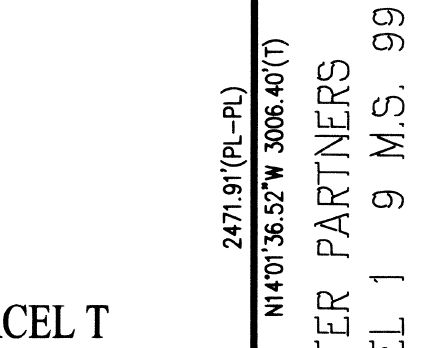
And yet, their curve table only provides delta, radius and length -- no radial or tangent bearings.
Posted : August 13, 2017 3:45 pm

Translate
▼
English
Spanish
French
German
Italian
Portuguese
Russian
Chinese
Japanese
Korean
Arabic
Hindi
Dutch
Polish
Turkish
Vietnamese
Thai
Swedish
Danish
Finnish
Norwegian
Czech
Hungarian
Romanian
Greek
Hebrew
Indonesian
Malay
Ukrainian
Bulgarian
Croatian
Slovak
Slovenian
Serbian
Lithuanian
Latvian
Estonian
Hundredths of a second, eh?
Posted : August 13, 2017 3:51 pm

Translate
▼
English
Spanish
French
German
Italian
Portuguese
Russian
Chinese
Japanese
Korean
Arabic
Hindi
Dutch
Polish
Turkish
Vietnamese
Thai
Swedish
Danish
Finnish
Norwegian
Czech
Hungarian
Romanian
Greek
Hebrew
Indonesian
Malay
Ukrainian
Bulgarian
Croatian
Slovak
Slovenian
Serbian
Lithuanian
Latvian
Estonian
Radial bears seems to be a CA thing unless you are working with a non-tangent curve. Now the hundredth of a second in 3000 feet, that's some good stuff.
Posted : August 13, 2017 4:33 pm

Translate
▼
English
Spanish
French
German
Italian
Portuguese
Russian
Chinese
Japanese
Korean
Arabic
Hindi
Dutch
Polish
Turkish
Vietnamese
Thai
Swedish
Danish
Finnish
Norwegian
Czech
Hungarian
Romanian
Greek
Hebrew
Indonesian
Malay
Ukrainian
Bulgarian
Croatian
Slovak
Slovenian
Serbian
Lithuanian
Latvian
Estonian
Probably didn't change the defaults in their software.
Posted : August 13, 2017 4:44 pm

Translate
▼
English
Spanish
French
German
Italian
Portuguese
Russian
Chinese
Japanese
Korean
Arabic
Hindi
Dutch
Polish
Turkish
Vietnamese
Thai
Swedish
Danish
Finnish
Norwegian
Czech
Hungarian
Romanian
Greek
Hebrew
Indonesian
Malay
Ukrainian
Bulgarian
Croatian
Slovak
Slovenian
Serbian
Lithuanian
Latvian
Estonian
w
Jim Frame, post: 441882, member: 10 wrote: And yet, their curve table only provides delta, radius and length -- no radial or tangent bearings.
i've seen cad monkeys do crazier things.
what does the"T" stand for? "Tangent" is my only serious guess.
Posted : August 13, 2017 4:46 pm

Translate
▼
English
Spanish
French
German
Italian
Portuguese
Russian
Chinese
Japanese
Korean
Arabic
Hindi
Dutch
Polish
Turkish
Vietnamese
Thai
Swedish
Danish
Finnish
Norwegian
Czech
Hungarian
Romanian
Greek
Hebrew
Indonesian
Malay
Ukrainian
Bulgarian
Croatian
Slovak
Slovenian
Serbian
Lithuanian
Latvian
Estonian
Once upon a time a local surveyor printed everything out (angles, distances, coord files, bearings, acreage, etc) to 4 decimal places on his property descriptions and drawings.
"always good for a laugh"
Posted : August 13, 2017 4:47 pm

Translate
▼
English
Spanish
French
German
Italian
Portuguese
Russian
Chinese
Japanese
Korean
Arabic
Hindi
Dutch
Polish
Turkish
Vietnamese
Thai
Swedish
Danish
Finnish
Norwegian
Czech
Hungarian
Romanian
Greek
Hebrew
Indonesian
Malay
Ukrainian
Bulgarian
Croatian
Slovak
Slovenian
Serbian
Lithuanian
Latvian
Estonian
"T" for total?
Posted : August 13, 2017 5:19 pm

Translate
▼
English
Spanish
French
German
Italian
Portuguese
Russian
Chinese
Japanese
Korean
Arabic
Hindi
Dutch
Polish
Turkish
Vietnamese
Thai
Swedish
Danish
Finnish
Norwegian
Czech
Hungarian
Romanian
Greek
Hebrew
Indonesian
Malay
Ukrainian
Bulgarian
Croatian
Slovak
Slovenian
Serbian
Lithuanian
Latvian
Estonian
I recently had a title agent reviewer asking me to removing the words "non radial" from a description. She had no clue what radial meant. It's a sin, truly!
Posted : August 13, 2017 5:29 pm
Translate
▼
English
Spanish
French
German
Italian
Portuguese
Russian
Chinese
Japanese
Korean
Arabic
Hindi
Dutch
Polish
Turkish
Vietnamese
Thai
Swedish
Danish
Finnish
Norwegian
Czech
Hungarian
Romanian
Greek
Hebrew
Indonesian
Malay
Ukrainian
Bulgarian
Croatian
Slovak
Slovenian
Serbian
Lithuanian
Latvian
Estonian
Chris Bouffard, post: 441911, member: 12313 wrote: I recently had a title agent reviewer asking me to removing the words "non radial" from a description. She had no clue what radial meant. It's a sin, truly!
Tell her it means there's no radialization there, a good thing.
Posted : August 13, 2017 5:34 pm

Translate
▼
English
Spanish
French
German
Italian
Portuguese
Russian
Chinese
Japanese
Korean
Arabic
Hindi
Dutch
Polish
Turkish
Vietnamese
Thai
Swedish
Danish
Finnish
Norwegian
Czech
Hungarian
Romanian
Greek
Hebrew
Indonesian
Malay
Ukrainian
Bulgarian
Croatian
Slovak
Slovenian
Serbian
Lithuanian
Latvian
Estonian
Though it seems superficial to provide the hundredths of a second, in a world or precision and at the distace given it could make a difference. As far as whose hundreth is closer, this guy definitely believes his is closer.
Posted : August 13, 2017 5:40 pm

Translate
▼
English
Spanish
French
German
Italian
Portuguese
Russian
Chinese
Japanese
Korean
Arabic
Hindi
Dutch
Polish
Turkish
Vietnamese
Thai
Swedish
Danish
Finnish
Norwegian
Czech
Hungarian
Romanian
Greek
Hebrew
Indonesian
Malay
Ukrainian
Bulgarian
Croatian
Slovak
Slovenian
Serbian
Lithuanian
Latvian
Estonian
This reminds me of a few years ago where the local engineering office received bridge plans for review from the Bridge Division; there was a 0.5-second difference in bearing between the established centerline and the bridge plans. One of the two reviewing chief engineers was notably upset about this discrepancy and I was somehow brought into the e-mail conversation. I explained that such a difference is roughly about a small PK heads-width in a mile, and it was nothing to lose sleep over. For what it's worth, I think the designed bridge was only about 400 feet long.
Sometimes, you just HAVE to wonder what goes through the minds of engineers and CADD operators...
The only superior evidence is that which you haven't yet found.
Posted : August 13, 2017 5:49 pm

Translate
▼
English
Spanish
French
German
Italian
Portuguese
Russian
Chinese
Japanese
Korean
Arabic
Hindi
Dutch
Polish
Turkish
Vietnamese
Thai
Swedish
Danish
Finnish
Norwegian
Czech
Hungarian
Romanian
Greek
Hebrew
Indonesian
Malay
Ukrainian
Bulgarian
Croatian
Slovak
Slovenian
Serbian
Lithuanian
Latvian
Estonian
SellmanA, post: 441921, member: 8564 wrote: Sometimes, you just HAVE to wonder what goes through the minds of engineers and CADD operators...
Sometimes, you just HAVE to wonder if engineers and CADD operators have minds...
Posted : August 13, 2017 5:55 pm
Translate
▼
English
Spanish
French
German
Italian
Portuguese
Russian
Chinese
Japanese
Korean
Arabic
Hindi
Dutch
Polish
Turkish
Vietnamese
Thai
Swedish
Danish
Finnish
Norwegian
Czech
Hungarian
Romanian
Greek
Hebrew
Indonesian
Malay
Ukrainian
Bulgarian
Croatian
Slovak
Slovenian
Serbian
Lithuanian
Latvian
Estonian
Non-radial means bias ply. Right?
Posted : August 13, 2017 7:54 pm

Translate
▼
English
Spanish
French
German
Italian
Portuguese
Russian
Chinese
Japanese
Korean
Arabic
Hindi
Dutch
Polish
Turkish
Vietnamese
Thai
Swedish
Danish
Finnish
Norwegian
Czech
Hungarian
Romanian
Greek
Hebrew
Indonesian
Malay
Ukrainian
Bulgarian
Croatian
Slovak
Slovenian
Serbian
Lithuanian
Latvian
Estonian
Holy Cow, post: 441936, member: 50 wrote: Non-radial means bias ply. Right?
You'll never be old as long as there is still someone else out there that can understand those kinds of jokes.
Posted : August 13, 2017 7:58 pm
Topic starter
Translate
▼
English
Spanish
French
German
Italian
Portuguese
Russian
Chinese
Japanese
Korean
Arabic
Hindi
Dutch
Polish
Turkish
Vietnamese
Thai
Swedish
Danish
Finnish
Norwegian
Czech
Hungarian
Romanian
Greek
Hebrew
Indonesian
Malay
Ukrainian
Bulgarian
Croatian
Slovak
Slovenian
Serbian
Lithuanian
Latvian
Estonian
John Putnam, post: 441890, member: 1188 wrote: Radial bears seems to be a CA thing unless you are working with a non-tangent curve.
This subdivision has non-tangent curves in my area of interest. Fortunately, they were tangent on one end, so I was able to recreate the geometry, but it wasn't convenient.
Posted : August 13, 2017 8:01 pm
Topic starter
Translate
▼
English
Spanish
French
German
Italian
Portuguese
Russian
Chinese
Japanese
Korean
Arabic
Hindi
Dutch
Polish
Turkish
Vietnamese
Thai
Swedish
Danish
Finnish
Norwegian
Czech
Hungarian
Romanian
Greek
Hebrew
Indonesian
Malay
Ukrainian
Bulgarian
Croatian
Slovak
Slovenian
Serbian
Lithuanian
Latvian
Estonian
Frank Shelton, post: 441897, member: 272 wrote: what does the"T" stand for?
Total, as in overall distance. Unfortunately, they mislabeled some of those as well, showing overalls that don't correspond to the monuments indicated.
Posted : August 13, 2017 8:02 pm
Translate
▼
English
Spanish
French
German
Italian
Portuguese
Russian
Chinese
Japanese
Korean
Arabic
Hindi
Dutch
Polish
Turkish
Vietnamese
Thai
Swedish
Danish
Finnish
Norwegian
Czech
Hungarian
Romanian
Greek
Hebrew
Indonesian
Malay
Ukrainian
Bulgarian
Croatian
Slovak
Slovenian
Serbian
Lithuanian
Latvian
Estonian
After nearly four decades of exposure to land surveying this is a first for me. I can assure you I have never witnessed the use of overalls as monuments or accessories thereto.

Is it better practice to use new ones fresh from the store or are used ones acceptable?
Posted : August 14, 2017 6:59 am

Translate
▼
English
Spanish
French
German
Italian
Portuguese
Russian
Chinese
Japanese
Korean
Arabic
Hindi
Dutch
Polish
Turkish
Vietnamese
Thai
Swedish
Danish
Finnish
Norwegian
Czech
Hungarian
Romanian
Greek
Hebrew
Indonesian
Malay
Ukrainian
Bulgarian
Croatian
Slovak
Slovenian
Serbian
Lithuanian
Latvian
Estonian
Jim Frame, post: 441882, member: 10 wrote: And yet, their curve table only provides delta, radius and length -- no radial or tangent bearings.
I see that some and it's typically from the early 80's when the surveyors got their first computers and plotters and that's how it was spitting the data out. Acreages went from 2, maybe three decimals to 5 to 9 depending on the program.
Within a few years they seemed to have dialed the setting back and closed the throat on the bearings, distances, and acreages to something more realistic and achievable. 🙂
Posted : August 14, 2017 8:04 am
Translate
▼
English
Spanish
French
German
Italian
Portuguese
Russian
Chinese
Japanese
Korean
Arabic
Hindi
Dutch
Polish
Turkish
Vietnamese
Thai
Swedish
Danish
Finnish
Norwegian
Czech
Hungarian
Romanian
Greek
Hebrew
Indonesian
Malay
Ukrainian
Bulgarian
Croatian
Slovak
Slovenian
Serbian
Lithuanian
Latvian
Estonian
Kris Morgan, post: 442003, member: 29 wrote: I see that some and it's typically from the early 80's when the surveyors got their first computers and plotters and that's how it was spitting the data out. Acreages went from 2, maybe three decimals to 5 to 9 depending on the program.
Within a few years they seemed to have dialed the setting back and closed the throat on the bearings, distances, and acreages to something more realistic and achievable. 🙂
The highway department around here carries out their bearings to the hundredth of a second and has for years on their construction plans. I worked there and I can't tell you why they do...except for the fact "they've always done it that way".
I have seen recorded descriptions on private property abutting highways that someone has prepared using the extended bearings from the highway plans (carried out to the hundredth of a second). Takings for state R/W are NOT described with carried out bearings. Hopefully it wasn't a surveyor that prepared it...
Posted : August 14, 2017 8:12 am
Translate
▼
English
Spanish
French
German
Italian
Portuguese
Russian
Chinese
Japanese
Korean
Arabic
Hindi
Dutch
Polish
Turkish
Vietnamese
Thai
Swedish
Danish
Finnish
Norwegian
Czech
Hungarian
Romanian
Greek
Hebrew
Indonesian
Malay
Ukrainian
Bulgarian
Croatian
Slovak
Slovenian
Serbian
Lithuanian
Latvian
Estonian
A current job includes a description that includes the phrase, "less the west 3.048 meters (10.00 feet) of said lot; said parcel of land containing 46.5 square meters (500 square feet), more or less."
In a separate document it is called the west 46.5 square meters(500 square feet) with no mention of the 3.048 or 10.00.
Immediately, I recognized that the attempt to widen the street/highway right-of-way within the city limits must have occurred during that few years when the DOT was mandated to do all of their survey work in metric units, whether they knew how to do it that way or not. I found this amusing as the side lot lines are at about 87 degrees relative to the right-of-way, requiring a measurement of 10.01372346 feet along the lot line rather than 10.00 or whatever 3.048 meters would be.;);):eek::eek:
Posted : August 14, 2017 8:39 am
Page 1 / 2
Next