Reading RPLS is free for the whole profession. Members post, reply, and get the members-only rooms.

Notifications
Clear all

Topic starter
Translate
▼
English
Spanish
French
German
Italian
Portuguese
Russian
Chinese
Japanese
Korean
Arabic
Hindi
Dutch
Polish
Turkish
Vietnamese
Thai
Swedish
Danish
Finnish
Norwegian
Czech
Hungarian
Romanian
Greek
Hebrew
Indonesian
Malay
Ukrainian
Bulgarian
Croatian
Slovak
Slovenian
Serbian
Lithuanian
Latvian
Estonian
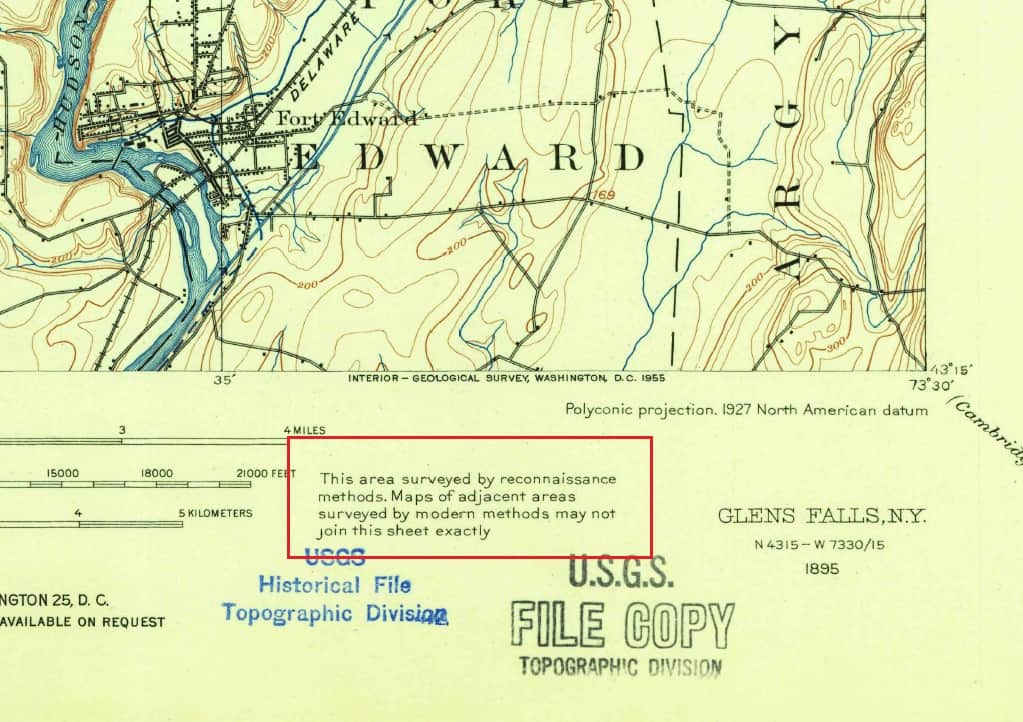
I am thinking this note probably refers to USGS using some visual surveying in some areas in order to get the map published and it was not necessarily survey accurate when the features on adjoining maps were more precise. Any other ideas as to the meaning of this note on the 1895 quad sheet?
Posted : November 3, 2015 4:13 pm

Translate
▼
English
Spanish
French
German
Italian
Portuguese
Russian
Chinese
Japanese
Korean
Arabic
Hindi
Dutch
Polish
Turkish
Vietnamese
Thai
Swedish
Danish
Finnish
Norwegian
Czech
Hungarian
Romanian
Greek
Hebrew
Indonesian
Malay
Ukrainian
Bulgarian
Croatian
Slovak
Slovenian
Serbian
Lithuanian
Latvian
Estonian
Probably what we call remote sensing today. Indirect, stealth methods - like triangulation of major features from each end of a measured baseline, perhaps.
Given that some of the field guys may have been trained by Civil War vets, it would have been an acceptable and common method for expedient mapping.
Posted : November 3, 2015 4:31 pm

Translate
▼
English
Spanish
French
German
Italian
Portuguese
Russian
Chinese
Japanese
Korean
Arabic
Hindi
Dutch
Polish
Turkish
Vietnamese
Thai
Swedish
Danish
Finnish
Norwegian
Czech
Hungarian
Romanian
Greek
Hebrew
Indonesian
Malay
Ukrainian
Bulgarian
Croatian
Slovak
Slovenian
Serbian
Lithuanian
Latvian
Estonian
I know a P.E./P.S. that is a member of a Civil War reenactment group that models themselves on the U.S. Army Corps of Topographical Engineers (Wikipedia Corps of Topographical Engineers https://en.wikipedia.org/wiki/Corps_of_Topographical_Engineers&apos ;"> https://en.wikipedia.org/wiki/Corps_of_Topographical_Engineers ). There is a training center (Web site http://www.topogs.org/homepage.htm&apos ;"> http://www.topogs.org/homepage.htm ) for those wanting to understand their equipment and methods.
From what I understand military reconnaissance surveys were a combination of wagon wheel odometers, triangulation (using plane tables at baseline ends) and barometers. I think that after the Civil War some of these men became members of the USGS. The last link above would be a source of much better information than what I have.
Posted : November 3, 2015 4:53 pm

Translate
▼
English
Spanish
French
German
Italian
Portuguese
Russian
Chinese
Japanese
Korean
Arabic
Hindi
Dutch
Polish
Turkish
Vietnamese
Thai
Swedish
Danish
Finnish
Norwegian
Czech
Hungarian
Romanian
Greek
Hebrew
Indonesian
Malay
Ukrainian
Bulgarian
Croatian
Slovak
Slovenian
Serbian
Lithuanian
Latvian
Estonian
Although dated originally 1895, that map is some time after the 1927 projection. I suspect the note refers to a reconnaissance inspection related to a revision date.
Yep, that's still here or nope, that's gone type of thing.
Posted : November 3, 2015 5:03 pm

Translate
▼
English
Spanish
French
German
Italian
Portuguese
Russian
Chinese
Japanese
Korean
Arabic
Hindi
Dutch
Polish
Turkish
Vietnamese
Thai
Swedish
Danish
Finnish
Norwegian
Czech
Hungarian
Romanian
Greek
Hebrew
Indonesian
Malay
Ukrainian
Bulgarian
Croatian
Slovak
Slovenian
Serbian
Lithuanian
Latvian
Estonian
As described in 1886...
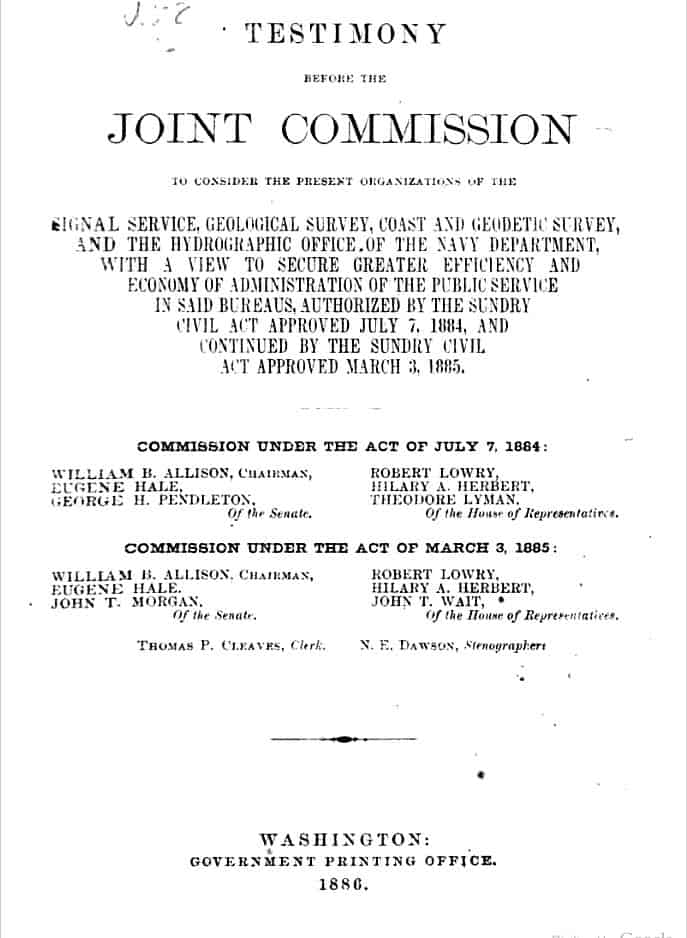
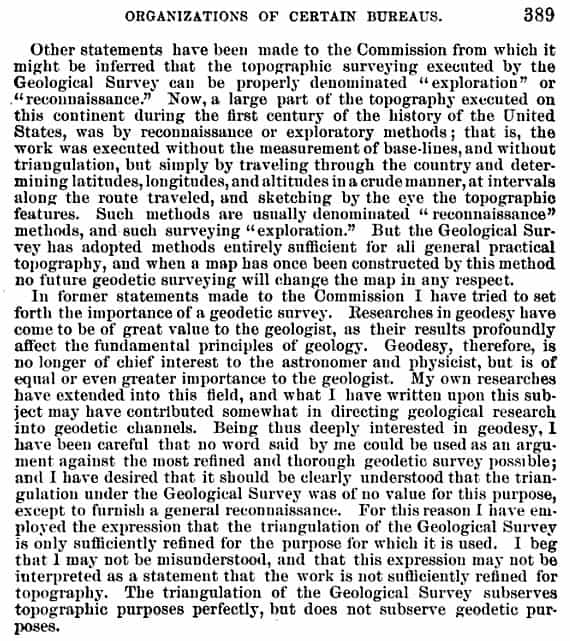
I suspect that the quad map is compiled from data of various dates and qualities.
Posted : November 3, 2015 5:22 pm

Translate
▼
English
Spanish
French
German
Italian
Portuguese
Russian
Chinese
Japanese
Korean
Arabic
Hindi
Dutch
Polish
Turkish
Vietnamese
Thai
Swedish
Danish
Finnish
Norwegian
Czech
Hungarian
Romanian
Greek
Hebrew
Indonesian
Malay
Ukrainian
Bulgarian
Croatian
Slovak
Slovenian
Serbian
Lithuanian
Latvian
Estonian
The image you show has 3 dates on it. Without knowing the date that note was put on the map it's hard to guess what the older, rougher methods were.
Posted : November 3, 2015 7:22 pm

Translate
▼
English
Spanish
French
German
Italian
Portuguese
Russian
Chinese
Japanese
Korean
Arabic
Hindi
Dutch
Polish
Turkish
Vietnamese
Thai
Swedish
Danish
Finnish
Norwegian
Czech
Hungarian
Romanian
Greek
Hebrew
Indonesian
Malay
Ukrainian
Bulgarian
Croatian
Slovak
Slovenian
Serbian
Lithuanian
Latvian
Estonian
Maybe they had their scanner loaded into a hot air balloon.o.O
Posted : November 3, 2015 10:26 pm

Translate
▼
English
Spanish
French
German
Italian
Portuguese
Russian
Chinese
Japanese
Korean
Arabic
Hindi
Dutch
Polish
Turkish
Vietnamese
Thai
Swedish
Danish
Finnish
Norwegian
Czech
Hungarian
Romanian
Greek
Hebrew
Indonesian
Malay
Ukrainian
Bulgarian
Croatian
Slovak
Slovenian
Serbian
Lithuanian
Latvian
Estonian
BajaOR, post: 342923, member: 9139 wrote: The image you show has 3 dates on it. Without knowing the date that note was put on the map it's hard to guess what the older, rougher methods were.
The same note is present on the 1895 quadrangle
Posted : November 4, 2015 4:02 am