Reading RPLS is free for the whole profession. Members post, reply, and get the members-only rooms.

Notifications
Clear all
Strictly Surveying
26
Posts
15
Users
0
Reactions
2,797
Views

Topic starter
Translate
▼
English
Spanish
French
German
Italian
Portuguese
Russian
Chinese
Japanese
Korean
Arabic
Hindi
Dutch
Polish
Turkish
Vietnamese
Thai
Swedish
Danish
Finnish
Norwegian
Czech
Hungarian
Romanian
Greek
Hebrew
Indonesian
Malay
Ukrainian
Bulgarian
Croatian
Slovak
Slovenian
Serbian
Lithuanian
Latvian
Estonian
We usually use the standard anchor bolt grout (powder) when setting points in concrete. In October 2015 we had to set 17 bolts for settlement monitoring in the roof of a water tunnel. I bought a tube of grout so that we could use a caulking gun to inject it into the holes we drilled, figured that would be easier than trying to get grout into the holes from below. Today we went back to resurvey and a few were loose, although none fell out. The grout in the loose ones is like putty, not hard.
I don't remember what we used, but I was pretty sure it sounded like the right thing to use at the time. I do remember it was touted as "quick setting". I am looking for advice from anyone who has done something similar. My client researched this recently for a different project he was doing on a vertical wall, and the advice he found was to make sure the hole is free of any drilling dust. We try to blow the dust out with a small plastic tube, but he said it should be vacuumed out.
I guess the Boston Tunnel had similar problems? But much more serious
Posted : October 4, 2017 12:45 pm

Translate
▼
English
Spanish
French
German
Italian
Portuguese
Russian
Chinese
Japanese
Korean
Arabic
Hindi
Dutch
Polish
Turkish
Vietnamese
Thai
Swedish
Danish
Finnish
Norwegian
Czech
Hungarian
Romanian
Greek
Hebrew
Indonesian
Malay
Ukrainian
Bulgarian
Croatian
Slovak
Slovenian
Serbian
Lithuanian
Latvian
Estonian
I haven't done overhead but maybe a mechanical anchor? My experience with these is you need to be careful with hole diameter (wobbling the drill) as they don't bite in an oversize hole and you get a mess of different lengths of protrusion.
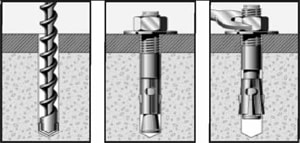
There are some epoxy grouts out there that claim to be able to be placed underwater.
Posted : October 4, 2017 1:13 pm

Translate
▼
English
Spanish
French
German
Italian
Portuguese
Russian
Chinese
Japanese
Korean
Arabic
Hindi
Dutch
Polish
Turkish
Vietnamese
Thai
Swedish
Danish
Finnish
Norwegian
Czech
Hungarian
Romanian
Greek
Hebrew
Indonesian
Malay
Ukrainian
Bulgarian
Croatian
Slovak
Slovenian
Serbian
Lithuanian
Latvian
Estonian
Roof Bolts in Mines use a fast setting binary epoxy grout. I have used the mechanical bolts that Richard shows above, and they work good IF (as Richard points out), you have a straight, "clean" hole (w/o wiggles).
Loyal
Posted : October 4, 2017 1:21 pm
Translate
▼
English
Spanish
French
German
Italian
Portuguese
Russian
Chinese
Japanese
Korean
Arabic
Hindi
Dutch
Polish
Turkish
Vietnamese
Thai
Swedish
Danish
Finnish
Norwegian
Czech
Hungarian
Romanian
Greek
Hebrew
Indonesian
Malay
Ukrainian
Bulgarian
Croatian
Slovak
Slovenian
Serbian
Lithuanian
Latvian
Estonian
These are my favorite, but maybe not the best for overhead (or they are).
Posted : October 4, 2017 1:27 pm

Translate
▼
English
Spanish
French
German
Italian
Portuguese
Russian
Chinese
Japanese
Korean
Arabic
Hindi
Dutch
Polish
Turkish
Vietnamese
Thai
Swedish
Danish
Finnish
Norwegian
Czech
Hungarian
Romanian
Greek
Hebrew
Indonesian
Malay
Ukrainian
Bulgarian
Croatian
Slovak
Slovenian
Serbian
Lithuanian
Latvian
Estonian
I would guess that any minor earth motion may jiggle the bolts enough that gravity can ease them down a squinch before the grout fully sets. When setting a grout in a hole drilled down it is easy to get the air out. It is easier to trap air when filling from below. Any gasses released during curing can also work against the hold.
As I recall in the Boston Tunnel they were told what would work and decided standard grout was cheaper.
I would suggest you double the hole depth and anchor length when drilling up.
Paul in PA
Posted : October 4, 2017 1:31 pm
Translate
▼
English
Spanish
French
German
Italian
Portuguese
Russian
Chinese
Japanese
Korean
Arabic
Hindi
Dutch
Polish
Turkish
Vietnamese
Thai
Swedish
Danish
Finnish
Norwegian
Czech
Hungarian
Romanian
Greek
Hebrew
Indonesian
Malay
Ukrainian
Bulgarian
Croatian
Slovak
Slovenian
Serbian
Lithuanian
Latvian
Estonian
If size and load capacity is not an issue then maybe consider a simple rawl plug. I personally wouldn't bother with the fancy inserts, just use the tube option and cut to length.
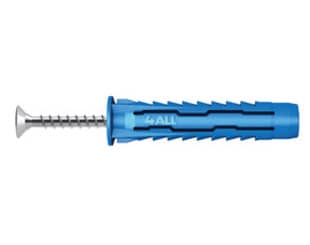
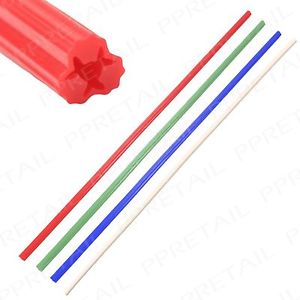
Or:
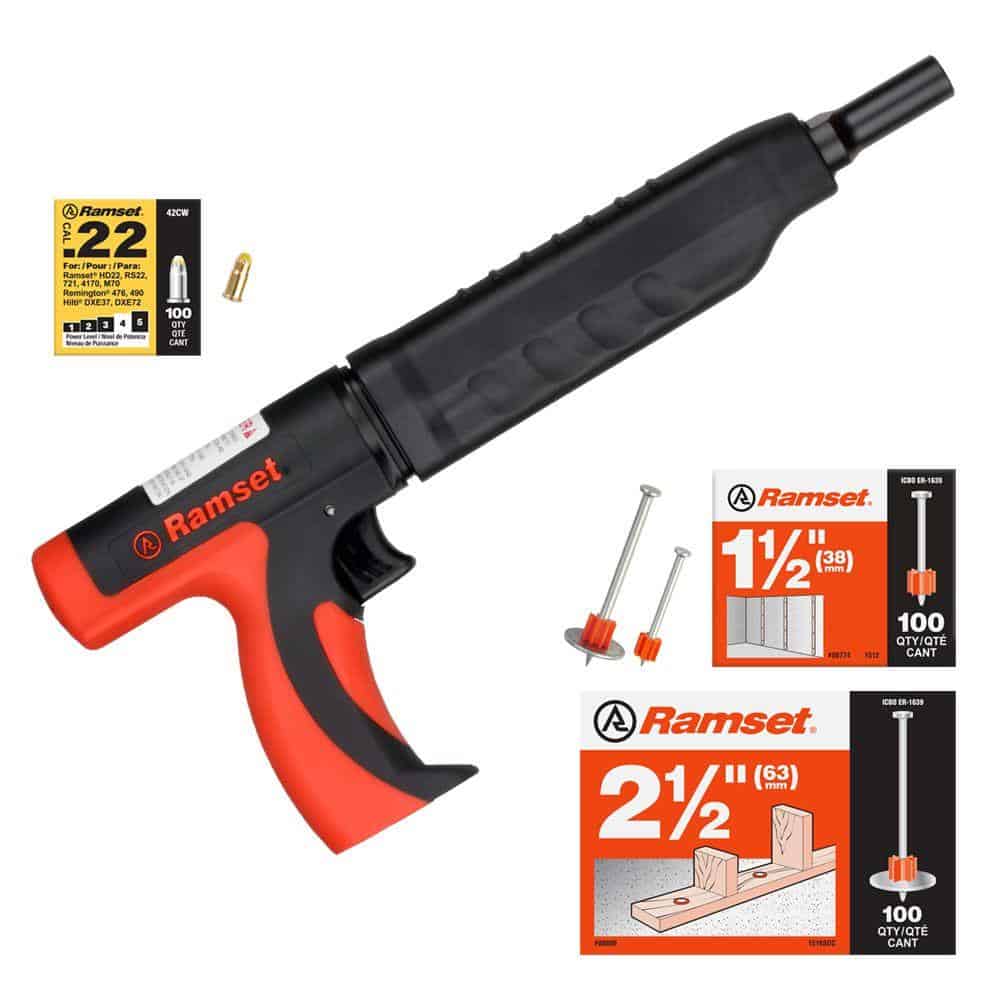
Posted : October 4, 2017 2:03 pm
Topic starter
Translate
▼
English
Spanish
French
German
Italian
Portuguese
Russian
Chinese
Japanese
Korean
Arabic
Hindi
Dutch
Polish
Turkish
Vietnamese
Thai
Swedish
Danish
Finnish
Norwegian
Czech
Hungarian
Romanian
Greek
Hebrew
Indonesian
Malay
Ukrainian
Bulgarian
Croatian
Slovak
Slovenian
Serbian
Lithuanian
Latvian
Estonian
there is no force on these other than gravity, and they are small carriage bolts with a rounded head. We are going to reset the loose ones, using a wire brush to clean out the hole first. I wish I could remember exactly what we used, but it was nothing special, bought at a local hardware store.
I hate to go to the trouble of drilling a bigger hole and putting in an anchor first, but that may be the way to go next time.
Probably best to ask some guys I know who are mine surveyors, they work in local coal mines underground and have their points set on the ceiling.
Posted : October 4, 2017 2:06 pm
Topic starter
Translate
▼
English
Spanish
French
German
Italian
Portuguese
Russian
Chinese
Japanese
Korean
Arabic
Hindi
Dutch
Polish
Turkish
Vietnamese
Thai
Swedish
Danish
Finnish
Norwegian
Czech
Hungarian
Romanian
Greek
Hebrew
Indonesian
Malay
Ukrainian
Bulgarian
Croatian
Slovak
Slovenian
Serbian
Lithuanian
Latvian
Estonian
we want them rounded so that we can level to them easier.
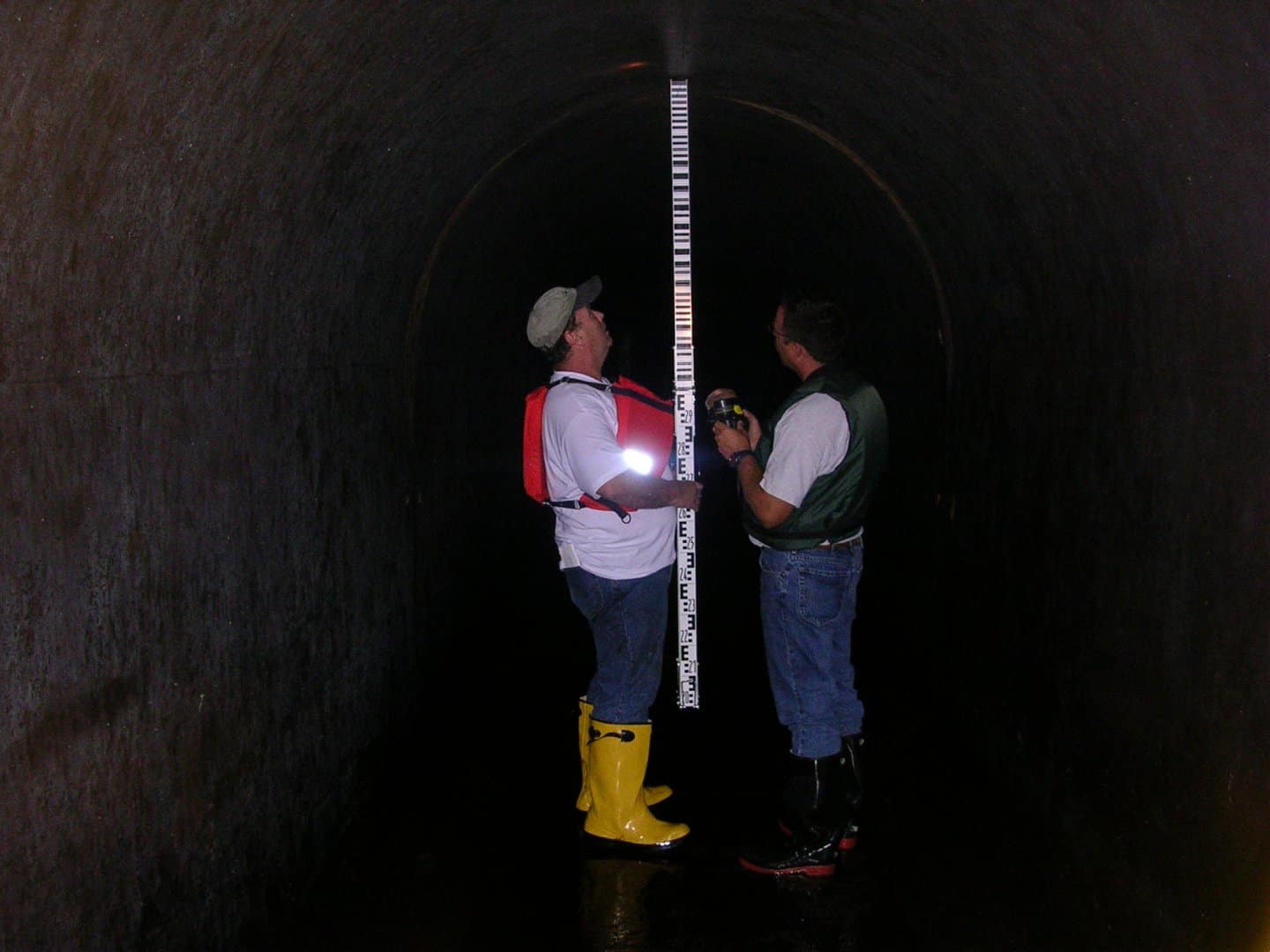
We were in a different tunnel from the one pictured today, and these huge channel catfish kept flopping around bumping the tripod. And spiders, LOTS of spiders (1000's) on the wall and ceiling.
Posted : October 4, 2017 2:08 pm

Translate
▼
English
Spanish
French
German
Italian
Portuguese
Russian
Chinese
Japanese
Korean
Arabic
Hindi
Dutch
Polish
Turkish
Vietnamese
Thai
Swedish
Danish
Finnish
Norwegian
Czech
Hungarian
Romanian
Greek
Hebrew
Indonesian
Malay
Ukrainian
Bulgarian
Croatian
Slovak
Slovenian
Serbian
Lithuanian
Latvian
Estonian
I have always used epoxy and blind hole anchors of some sort. For the bolt use an eye bolt.
Posted : October 4, 2017 2:25 pm

Translate
▼
English
Spanish
French
German
Italian
Portuguese
Russian
Chinese
Japanese
Korean
Arabic
Hindi
Dutch
Polish
Turkish
Vietnamese
Thai
Swedish
Danish
Finnish
Norwegian
Czech
Hungarian
Romanian
Greek
Hebrew
Indonesian
Malay
Ukrainian
Bulgarian
Croatian
Slovak
Slovenian
Serbian
Lithuanian
Latvian
Estonian
Do you have some sort of hybrid level, one that reads the barcode on the top half and the optical scale on the bottom half?
Posted : October 4, 2017 2:26 pm
Topic starter
Translate
▼
English
Spanish
French
German
Italian
Portuguese
Russian
Chinese
Japanese
Korean
Arabic
Hindi
Dutch
Polish
Turkish
Vietnamese
Thai
Swedish
Danish
Finnish
Norwegian
Czech
Hungarian
Romanian
Greek
Hebrew
Indonesian
Malay
Ukrainian
Bulgarian
Croatian
Slovak
Slovenian
Serbian
Lithuanian
Latvian
Estonian
Jim...that is a 4 m rod folded in half so that we could get it on the points (inverted).
Today's tunnel was smaller (I believe it is 8 foot high by 3 foot wide rectangular), so we used a 1 m rod (inverted) on all of the bolts. It is hard to get the rod level using a level bubble because it is opposite from what you are used to.
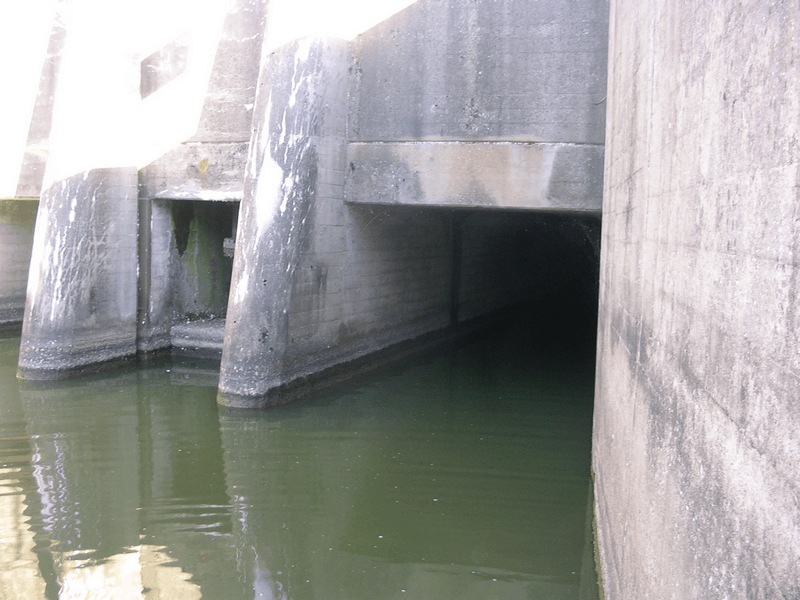
As for an eye bolt, we needed to make these as unobtrusive as possible because we don't want anything to catch on them when they open up the flood gates. They said they had them totally open recently, but usually they are open 0.5 to 1 foot at most (twin barrels)
Posted : October 4, 2017 2:34 pm
Translate
▼
English
Spanish
French
German
Italian
Portuguese
Russian
Chinese
Japanese
Korean
Arabic
Hindi
Dutch
Polish
Turkish
Vietnamese
Thai
Swedish
Danish
Finnish
Norwegian
Czech
Hungarian
Romanian
Greek
Hebrew
Indonesian
Malay
Ukrainian
Bulgarian
Croatian
Slovak
Slovenian
Serbian
Lithuanian
Latvian
Estonian
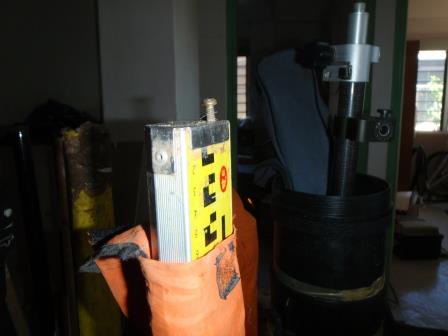
John Hamilton, post: 449522, member: 640 wrote: we want them rounded so that we can level to them easier
We have this on the base of one of ours, not sure why I put it on one side and not in the center:
Posted : October 4, 2017 2:37 pm
Topic starter
Translate
▼
English
Spanish
French
German
Italian
Portuguese
Russian
Chinese
Japanese
Korean
Arabic
Hindi
Dutch
Polish
Turkish
Vietnamese
Thai
Swedish
Danish
Finnish
Norwegian
Czech
Hungarian
Romanian
Greek
Hebrew
Indonesian
Malay
Ukrainian
Bulgarian
Croatian
Slovak
Slovenian
Serbian
Lithuanian
Latvian
Estonian
No, they are wider than 3 feet, maybe 6 feet, although the open ends are 8 feet by 8 feet.
Posted : October 4, 2017 2:37 pm

Translate
▼
English
Spanish
French
German
Italian
Portuguese
Russian
Chinese
Japanese
Korean
Arabic
Hindi
Dutch
Polish
Turkish
Vietnamese
Thai
Swedish
Danish
Finnish
Norwegian
Czech
Hungarian
Romanian
Greek
Hebrew
Indonesian
Malay
Ukrainian
Bulgarian
Croatian
Slovak
Slovenian
Serbian
Lithuanian
Latvian
Estonian
I suggest using a http://www.homedepot.com/p/Quikrete-8-6-oz-Fast-Setting-Anchoring-Epoxy-862030/203604177&apos ;">2 part anchor bolt epoxy for all your monument setting needs. Get it on the concrete supplies aisle of your local big box.
Posted : October 4, 2017 2:56 pm
Topic starter
Translate
▼
English
Spanish
French
German
Italian
Portuguese
Russian
Chinese
Japanese
Korean
Arabic
Hindi
Dutch
Polish
Turkish
Vietnamese
Thai
Swedish
Danish
Finnish
Norwegian
Czech
Hungarian
Romanian
Greek
Hebrew
Indonesian
Malay
Ukrainian
Bulgarian
Croatian
Slovak
Slovenian
Serbian
Lithuanian
Latvian
Estonian
Thanks, Mark. I will check that out.
Posted : October 4, 2017 3:12 pm

Translate
▼
English
Spanish
French
German
Italian
Portuguese
Russian
Chinese
Japanese
Korean
Arabic
Hindi
Dutch
Polish
Turkish
Vietnamese
Thai
Swedish
Danish
Finnish
Norwegian
Czech
Hungarian
Romanian
Greek
Hebrew
Indonesian
Malay
Ukrainian
Bulgarian
Croatian
Slovak
Slovenian
Serbian
Lithuanian
Latvian
Estonian
John Hamilton, post: 449553, member: 640 wrote: Thanks, Mark. I will check that out.
The two part epoxy stuff will mix in the injection tube and it sets very quick.
On my tunnel project last year they set eye bolts for us to use. They do stick out a bit. I made a hook that I bolted on the end of the DiNi rod so that it would hang using the bottom of the eye bolt hole as the "point." I had to put a counter balance on the rod to get it to hang vertical. It worked well, just hang the rod, stop it from swinging and take an inverted rod shot. As you went by just turn the rod around. No need to try and level the rod with the fish eye or even hold it.
Posted : October 4, 2017 9:05 pm

Translate
▼
English
Spanish
French
German
Italian
Portuguese
Russian
Chinese
Japanese
Korean
Arabic
Hindi
Dutch
Polish
Turkish
Vietnamese
Thai
Swedish
Danish
Finnish
Norwegian
Czech
Hungarian
Romanian
Greek
Hebrew
Indonesian
Malay
Ukrainian
Bulgarian
Croatian
Slovak
Slovenian
Serbian
Lithuanian
Latvian
Estonian
Mark Mayer, post: 449545, member: 424 wrote: I suggest using a http://www.homedepot.com/p/Quikrete-8-6-oz-Fast-Setting-Anchoring-Epoxy-862030/203604177&apos ;">2 part anchor bolt epoxy for all your monument setting needs.
Never used it for surveying - but it's the go to stuff for climbing anchors
Posted : October 4, 2017 10:28 pm
Translate
▼
English
Spanish
French
German
Italian
Portuguese
Russian
Chinese
Japanese
Korean
Arabic
Hindi
Dutch
Polish
Turkish
Vietnamese
Thai
Swedish
Danish
Finnish
Norwegian
Czech
Hungarian
Romanian
Greek
Hebrew
Indonesian
Malay
Ukrainian
Bulgarian
Croatian
Slovak
Slovenian
Serbian
Lithuanian
Latvian
Estonian
I also use this http://www.homedepot.com/p/RectorSeal-EP-200-2-oz-Epoxy-Putty-Stick-97601/100124697&apos ;">epoxy putty. Easier to use for smaller jobs. It's on the plumbing aisle.
Posted : October 4, 2017 10:49 pm

Translate
▼
English
Spanish
French
German
Italian
Portuguese
Russian
Chinese
Japanese
Korean
Arabic
Hindi
Dutch
Polish
Turkish
Vietnamese
Thai
Swedish
Danish
Finnish
Norwegian
Czech
Hungarian
Romanian
Greek
Hebrew
Indonesian
Malay
Ukrainian
Bulgarian
Croatian
Slovak
Slovenian
Serbian
Lithuanian
Latvian
Estonian
John,
I'm no help for setting anchor bolts in concrete. In the mines I have worked rock bolts are set to stabilize the back (lay term is ceiling) from rock falls, esp. in bad ground. The holes are drilled with a jack-leg or Jumbo drill and are a few feet long. For survey control, I use spads driven into a crack or in a wooden wedge driven into whatever is convenient.
I would think that for your application the key is to hold the bolt in place long enough for the adhesive or epoxy to set. If the vertical dimension of the tunnel is 8 ft. a 2"x2" wooden pole 6-1/2 to 7 feet long and car jack should hold the bolt in place until it sets.
An aside for when you talk to you mine survey buddies. The ceiling, walls and floor are called the back, ribs, and sill respectively.
Posted : October 4, 2017 11:05 pm
Topic starter
Translate
▼
English
Spanish
French
German
Italian
Portuguese
Russian
Chinese
Japanese
Korean
Arabic
Hindi
Dutch
Polish
Turkish
Vietnamese
Thai
Swedish
Danish
Finnish
Norwegian
Czech
Hungarian
Romanian
Greek
Hebrew
Indonesian
Malay
Ukrainian
Bulgarian
Croatian
Slovak
Slovenian
Serbian
Lithuanian
Latvian
Estonian
Thanks, Gene. Nothing like knowing the lingo to make me look smarter than I really am.
I kinda like LR Day's idea to let gravity do the plumbing for me. If we do another one that might be an option to consider, only problem I could see is getting the distance from the hook to the rod the same if we change rods.
we monitor the outflow tunnels under earth dams. For some reason we only do the tunnels that were constructed as laid down sections of concrete. There are several dams in the district that have outflow tunnels drilled through rock, we don't monitor those. One of the tunnels (and the dam) has settled quite a bit. The top line is the iniital survey (before settlement). Elevations in meters. A bit of a ponding problem in the middle. The are of greatest subsidence is directly under the crest of the dam, it has sunk about 1.5 m (5 feet). But our leveling since 2005 doesn't show any more movement.
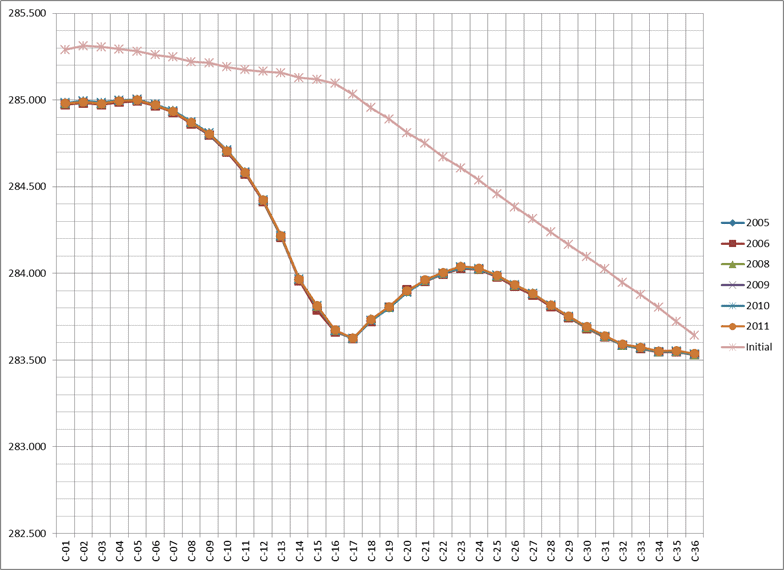
I watched a video presentation about the construction of this particular dam, when they were building it the whole site turned into a watery mess. They tried sinking electrodes into the ground and running electric current through it (??). In hindsight, probably not the best place to build a dam. Not sure exactly how much it weighs, but the dam is 800 feet wide at the base, 24 feet at the top, 9900 feet long, and 83 feet high. So it is heavy. For many years the settlement benchmark was a spike in a tree about 200 feet downstream from the toe of the dam. Then it was replaced by a disk in a concrete monument in about the same location. We started doing the surveys in 2005, at which time we started doing GPS for an external tie. However, it appears that the nearby benchmark is fairly stable, although one would think that the effects of such a heavy structure would extend out from the footprint of the dam. I believe the settlement is due to compression of the soil underneath the dam rather than a "bending" of the bedrock, that is why it doesn't manifest itself in movement of the nearby benchmark. I have no idea how far down it is to bedrock, but the movies I saw didn't show any there, just water and mud.
Posted : October 5, 2017 5:36 am
Page 1 / 2
Next