Reading RPLS is free for the whole profession. Members post, reply, and get the members-only rooms.

Notifications
Clear all
Strictly Surveying
18
Posts
7
Users
0
Reactions
589
Views

Topic starter
Translate
▼
English
Spanish
French
German
Italian
Portuguese
Russian
Chinese
Japanese
Korean
Arabic
Hindi
Dutch
Polish
Turkish
Vietnamese
Thai
Swedish
Danish
Finnish
Norwegian
Czech
Hungarian
Romanian
Greek
Hebrew
Indonesian
Malay
Ukrainian
Bulgarian
Croatian
Slovak
Slovenian
Serbian
Lithuanian
Latvian
Estonian
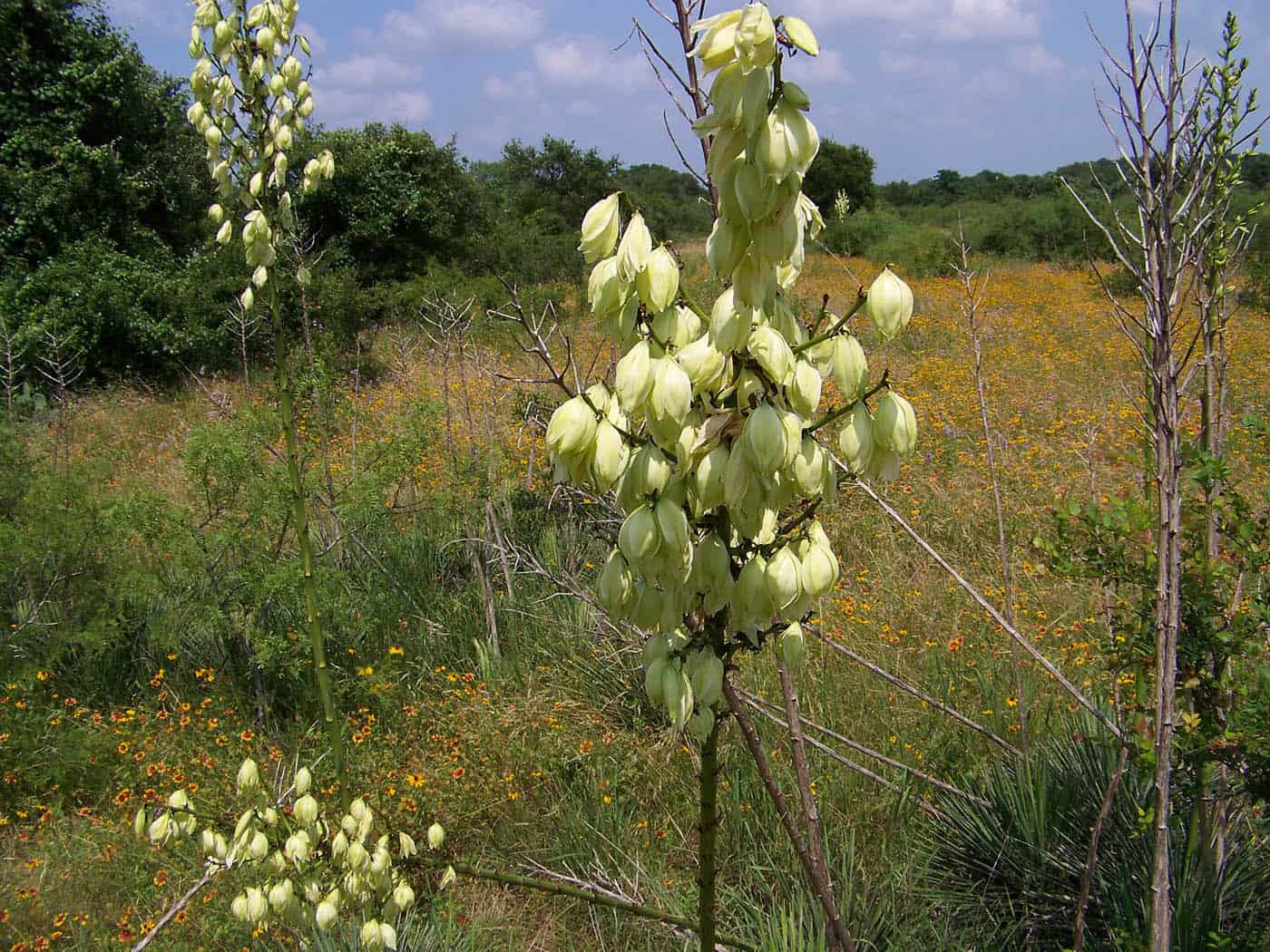
Yes, it was another rough day in the field today. As you can see, the Buckley's yucca (Y. constricta) was in flower along with a few other things. The wild grapes were ripening and there were still a few dewberries on the low vines. One of the neighboring landowners asked me to keep an eye open for one of his cows that had gotten loose. Saw a few hoof prints in the wet ground, but no cow. Quien sabe?
Posted : May 28, 2016 10:06 pm

Translate
▼
English
Spanish
French
German
Italian
Portuguese
Russian
Chinese
Japanese
Korean
Arabic
Hindi
Dutch
Polish
Turkish
Vietnamese
Thai
Swedish
Danish
Finnish
Norwegian
Czech
Hungarian
Romanian
Greek
Hebrew
Indonesian
Malay
Ukrainian
Bulgarian
Croatian
Slovak
Slovenian
Serbian
Lithuanian
Latvian
Estonian
I had about half a dozen of those plants in the corner of my back yard for a number of years. They are pretty when they bloom, but a mess the rest of the year. I thought I got rid of the last one about five years ago....But if it goes a little too long between mows, three or four of them try to poke they little heads back up...tenacious boogers, for sure. Almost as bad as a mulberry bush.
Posted : May 28, 2016 10:16 pm
Topic starter
Translate
▼
English
Spanish
French
German
Italian
Portuguese
Russian
Chinese
Japanese
Korean
Arabic
Hindi
Dutch
Polish
Turkish
Vietnamese
Thai
Swedish
Danish
Finnish
Norwegian
Czech
Hungarian
Romanian
Greek
Hebrew
Indonesian
Malay
Ukrainian
Bulgarian
Croatian
Slovak
Slovenian
Serbian
Lithuanian
Latvian
Estonian
paden cash, post: 374478, member: 20 wrote: I had about half a dozen of those plants in the corner of my back yard for a number of years. They are pretty when they bloom, but a mess the rest of the year.
Well, at least they probably stopped the neighbor kids from climbing the fence in search of aluminum cans when you weren't around. Wait, you probably forgot to plant the mesquites, too, right?
Posted : May 28, 2016 10:22 pm
Translate
▼
English
Spanish
French
German
Italian
Portuguese
Russian
Chinese
Japanese
Korean
Arabic
Hindi
Dutch
Polish
Turkish
Vietnamese
Thai
Swedish
Danish
Finnish
Norwegian
Czech
Hungarian
Romanian
Greek
Hebrew
Indonesian
Malay
Ukrainian
Bulgarian
Croatian
Slovak
Slovenian
Serbian
Lithuanian
Latvian
Estonian
Kent McMillan, post: 374479, member: 3 wrote: Well, at least they probably stopped the neighbor kids from climbing the fence in search of aluminum cans when you weren't around. Wait, you probably forgot to plant the mesquites, too, right?
They actually were a good 'passive' security option. Didn't need them after the Trinidad kids moved away from home. It use to keep them from hopping the back fence to get to their house at night...I guess hoppin' fences is in their genes..
Funny story about mesquite:
My first wife's father came up here to visit from West Texas. We cooked out in the backyard and I used what we have around here...hickory. He couldn't quit talking about the flavor. All they have out there is mesquite. The next time we drove down to visit I took him a mess of hickory. He started up his smoker and three or four of his neighbors came over because "something smelled good". I brought back a mess of mesquite.
Sure enough, when I fired up the mesquite back here in Oklahoma, all the neighbors had to drop by and see "what smelled so good".
I guess it's all about what you're use to and something "new".
Secret tip to Okie backyard pit masters: Blaine County, OK (central part of the State) is full of mesquite brush. The trees don't get quite as big as south of the Red, but it still has that great mesquite smoke quality.
Posted : May 28, 2016 10:50 pm

Translate
▼
English
Spanish
French
German
Italian
Portuguese
Russian
Chinese
Japanese
Korean
Arabic
Hindi
Dutch
Polish
Turkish
Vietnamese
Thai
Swedish
Danish
Finnish
Norwegian
Czech
Hungarian
Romanian
Greek
Hebrew
Indonesian
Malay
Ukrainian
Bulgarian
Croatian
Slovak
Slovenian
Serbian
Lithuanian
Latvian
Estonian
To kill a yucca you first must travel to China to find where the end of the root had to stop growing because it ran out of soil. Then you expose the root to bright sunlight, killing it. It only takes about two years for the news of the death of the root to travel 12000 miles to your backyard and the top end of the yucca.
Posted : May 29, 2016 7:03 am

Translate
▼
English
Spanish
French
German
Italian
Portuguese
Russian
Chinese
Japanese
Korean
Arabic
Hindi
Dutch
Polish
Turkish
Vietnamese
Thai
Swedish
Danish
Finnish
Norwegian
Czech
Hungarian
Romanian
Greek
Hebrew
Indonesian
Malay
Ukrainian
Bulgarian
Croatian
Slovak
Slovenian
Serbian
Lithuanian
Latvian
Estonian
It must be nice to live in mesquite country. Buy a sack of smoking wood, here in Houston, you have to take out the pieces of huisache, green mesquite, assorted river snags. I sometimes wish HEB would let me return the unused portion. :bored:
Posted : May 29, 2016 11:17 am
Topic starter
Translate
▼
English
Spanish
French
German
Italian
Portuguese
Russian
Chinese
Japanese
Korean
Arabic
Hindi
Dutch
Polish
Turkish
Vietnamese
Thai
Swedish
Danish
Finnish
Norwegian
Czech
Hungarian
Romanian
Greek
Hebrew
Indonesian
Malay
Ukrainian
Bulgarian
Croatian
Slovak
Slovenian
Serbian
Lithuanian
Latvian
Estonian
Mesquite is practically an indicator species in Texas. If you see a good-sized mesquite tree, chances are you're in Texas.

There are counties in South Texas and even West Central Texas where nearly all of the bearing tree calls appearing in the field notes of the original surveys are for mesquites, some of which have survived since the 1840s.
Posted : May 29, 2016 12:23 pm

Translate
▼
English
Spanish
French
German
Italian
Portuguese
Russian
Chinese
Japanese
Korean
Arabic
Hindi
Dutch
Polish
Turkish
Vietnamese
Thai
Swedish
Danish
Finnish
Norwegian
Czech
Hungarian
Romanian
Greek
Hebrew
Indonesian
Malay
Ukrainian
Bulgarian
Croatian
Slovak
Slovenian
Serbian
Lithuanian
Latvian
Estonian
I get an orange bag of mesquite at WalMart as there is none locally and that lasts quite a while.
Roughbark hickory is my standard and it takes a constant eye to find among left overs lying around after a timber cutting.
There is an ample supply of the oak family scattered everywhere after storms to provide the heat.
Yucca is a rare find around here. They have been mostly been held at bey with current land use.
Posted : May 29, 2016 12:52 pm
Translate
▼
English
Spanish
French
German
Italian
Portuguese
Russian
Chinese
Japanese
Korean
Arabic
Hindi
Dutch
Polish
Turkish
Vietnamese
Thai
Swedish
Danish
Finnish
Norwegian
Czech
Hungarian
Romanian
Greek
Hebrew
Indonesian
Malay
Ukrainian
Bulgarian
Croatian
Slovak
Slovenian
Serbian
Lithuanian
Latvian
Estonian
A Harris, post: 374533, member: 81 wrote: I get an orange bag of mesquite at WalMart
hmmmmm..Just bought an orange bag from Academy. Don't have to worry about the green mesquite this time, well on it's way to dry rot, but all mesquite with one unidentifiable. Brisket was $1.67/lb at HEB, Debs mad as hell bout that. She won't eat brisket for more than one day.
Posted : May 29, 2016 7:02 pm
Topic starter
Translate
▼
English
Spanish
French
German
Italian
Portuguese
Russian
Chinese
Japanese
Korean
Arabic
Hindi
Dutch
Polish
Turkish
Vietnamese
Thai
Swedish
Danish
Finnish
Norwegian
Czech
Hungarian
Romanian
Greek
Hebrew
Indonesian
Malay
Ukrainian
Bulgarian
Croatian
Slovak
Slovenian
Serbian
Lithuanian
Latvian
Estonian
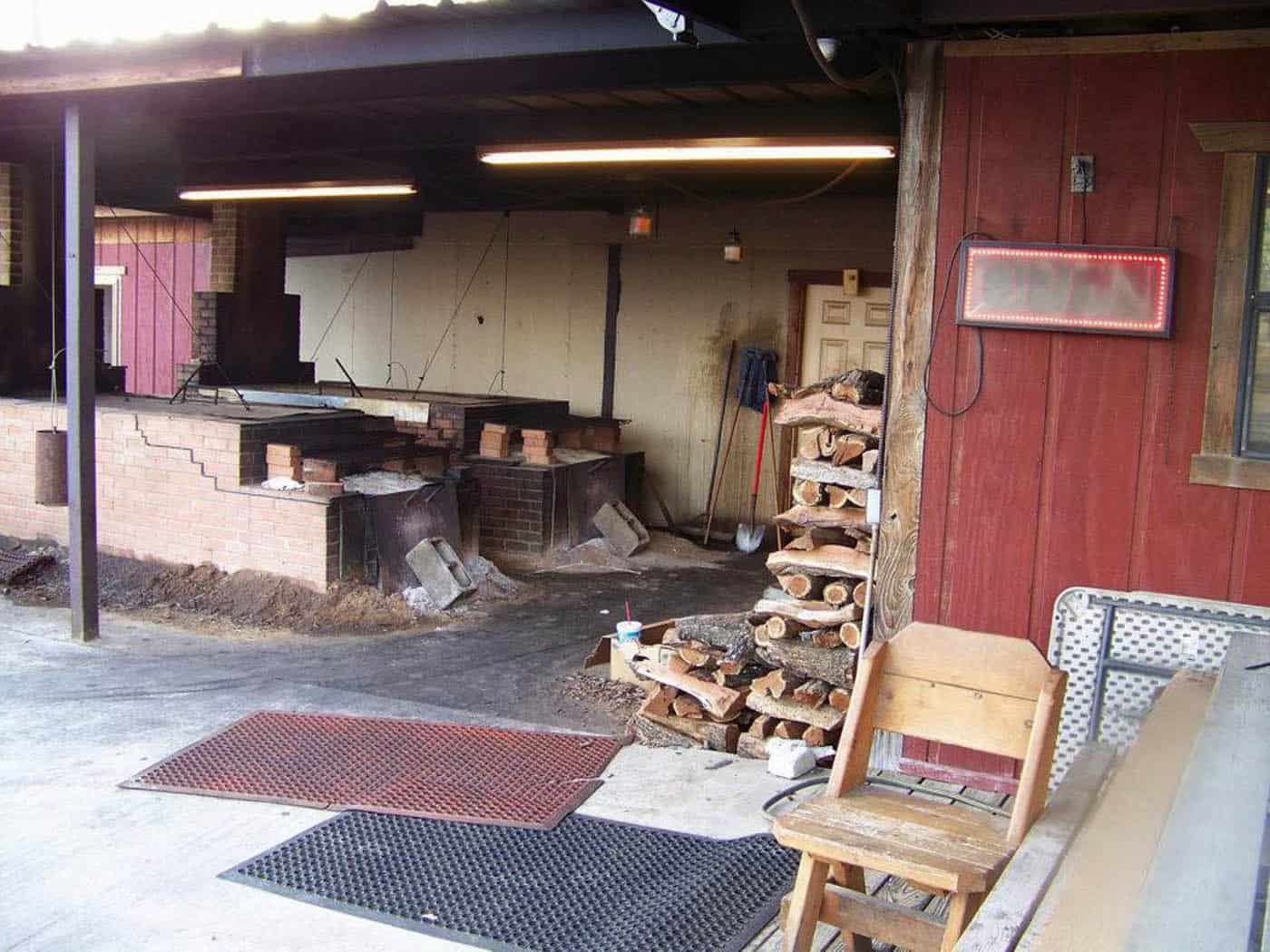
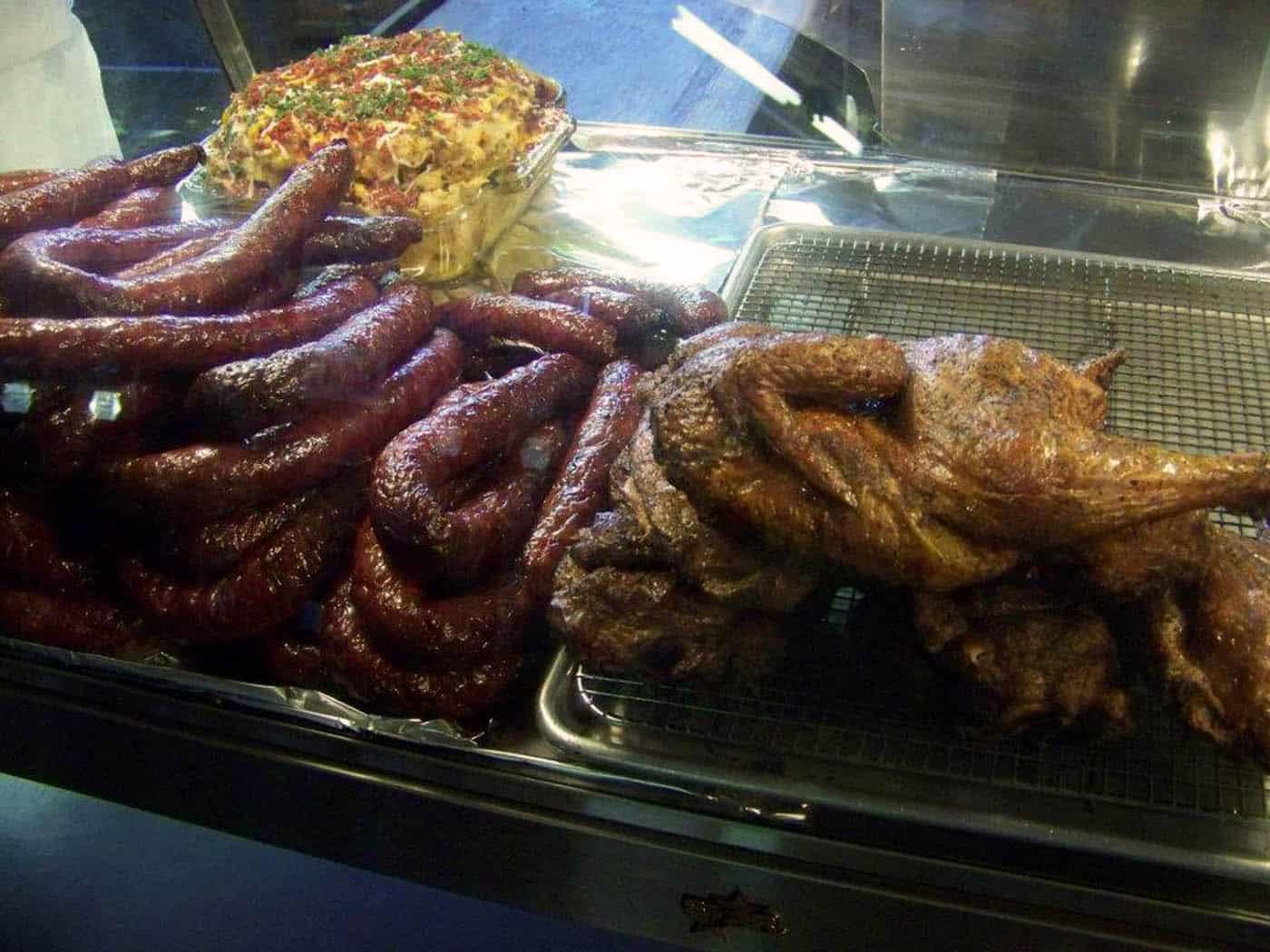
Here is what a typical Texas barbecue joint looks like. Note the pile of (mesquite) wood by the pit. This one is in Atascosa County South of San Antonio.
Posted : May 29, 2016 8:13 pm

Translate
▼
English
Spanish
French
German
Italian
Portuguese
Russian
Chinese
Japanese
Korean
Arabic
Hindi
Dutch
Polish
Turkish
Vietnamese
Thai
Swedish
Danish
Finnish
Norwegian
Czech
Hungarian
Romanian
Greek
Hebrew
Indonesian
Malay
Ukrainian
Bulgarian
Croatian
Slovak
Slovenian
Serbian
Lithuanian
Latvian
Estonian
paden cash, post: 374480, member: 20 wrote: They actually were a good 'passive' security option. Didn't need them after the Trinidad kids moved away from home. It use to keep them from hopping the back fence to get to their house at night...I guess hoppin' fences is in their genes..
Funny story about mesquite:
My first wife's father came up here to visit from West Texas. We cooked out in the backyard and I used what we have around here...hickory. He couldn't quit talking about the flavor. All they have out there is mesquite. The next time we drove down to visit I took him a mess of hickory. He started up his smoker and three or four of his neighbors came over because "something smelled good". I brought back a mess of mesquite.
Sure enough, when I fired up the mesquite back here in Oklahoma, all the neighbors had to drop by and see "what smelled so good".
I guess it's all about what you're use to and something "new".
Secret tip to Okie backyard pit masters: Blaine County, OK (central part of the State) is full of mesquite brush. The trees don't get quite as big as south of the Red, but it still has that great mesquite smoke quality.
I've used all sorts of wood over the years, oak, hickory, pecan, mesquite, apple, peach... My favorite is sassafras, it gives slightly "sweet" taste to the smoke. If you can find a small sassafras harvest the root too, just the smell will remind you of the "old" root beer. Unfortunately it doesn't grow everywhere so you'll just have to take my word for it.
Andy
Posted : May 30, 2016 1:49 pm
Translate
▼
English
Spanish
French
German
Italian
Portuguese
Russian
Chinese
Japanese
Korean
Arabic
Hindi
Dutch
Polish
Turkish
Vietnamese
Thai
Swedish
Danish
Finnish
Norwegian
Czech
Hungarian
Romanian
Greek
Hebrew
Indonesian
Malay
Ukrainian
Bulgarian
Croatian
Slovak
Slovenian
Serbian
Lithuanian
Latvian
Estonian
Andy Bruner, post: 374655, member: 1123 wrote: ...Unfortunately it doesn't grow everywhere so you'll just have to take my word for it.
Andy
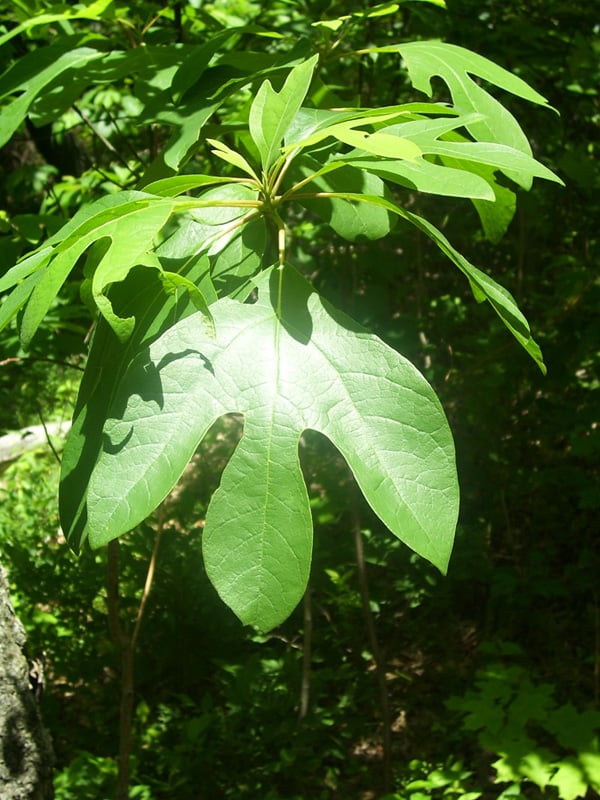
There are specimens in the wet creek areas in the south and east of the state. There are even some as far west as our Little River watershed here east of Norman. Their leaves and bark do have a pleasant odiferosity, but I've never used any for smoke. I'll have to try that.
Over the last five years I've cut down the last two pecan trees here at the house...I still have a pretty good stash. It's dry as a popcorn fart now, but still has a pleasant not-too-acrid smoke.
Posted : May 30, 2016 3:52 pm
Topic starter
Translate
▼
English
Spanish
French
German
Italian
Portuguese
Russian
Chinese
Japanese
Korean
Arabic
Hindi
Dutch
Polish
Turkish
Vietnamese
Thai
Swedish
Danish
Finnish
Norwegian
Czech
Hungarian
Romanian
Greek
Hebrew
Indonesian
Malay
Ukrainian
Bulgarian
Croatian
Slovak
Slovenian
Serbian
Lithuanian
Latvian
Estonian
I thought I remembered reading something about sassafras having been identified as a carcinogen. Yes, here's a link that makes me think it might be prudent to go slow on using sassafras to smoke meats. Your mileage may vary, of course.
https://www.mskcc.org/cancer-care/integrative-medicine/herbs/sassafras
Posted : May 30, 2016 10:59 pm
Translate
▼
English
Spanish
French
German
Italian
Portuguese
Russian
Chinese
Japanese
Korean
Arabic
Hindi
Dutch
Polish
Turkish
Vietnamese
Thai
Swedish
Danish
Finnish
Norwegian
Czech
Hungarian
Romanian
Greek
Hebrew
Indonesian
Malay
Ukrainian
Bulgarian
Croatian
Slovak
Slovenian
Serbian
Lithuanian
Latvian
Estonian
Ground Sassafras is the filet of my gumbo.
😉
Posted : May 31, 2016 12:28 am
Topic starter
Translate
▼
English
Spanish
French
German
Italian
Portuguese
Russian
Chinese
Japanese
Korean
Arabic
Hindi
Dutch
Polish
Turkish
Vietnamese
Thai
Swedish
Danish
Finnish
Norwegian
Czech
Hungarian
Romanian
Greek
Hebrew
Indonesian
Malay
Ukrainian
Bulgarian
Croatian
Slovak
Slovenian
Serbian
Lithuanian
Latvian
Estonian
A Harris, post: 374724, member: 81 wrote: Ground Sassafras is the filet of my gumbo.
From the link above:
"Safrole, the main active constituent, shows cytotoxic effects in human tongue squamous carcinoma SCC-4 cells by apoptosis via the mitochondria- and caspase-dependent signal pathways (7); and through the endoplasmic reticulum stress and intrinsic signaling pathways in human leukemia HL-60 cells (9). It also suppressed myelomonocytic leukemia WEHI-3 cells in vivo, and stimulated macrophage phagocytosis and natural killer cell cytotoxicity in leukemic mice (8).
Toxic effects of safrole in Madin-Darby canine kidney (MDCK) cells were shown to be via induction of an increase in cytosolic free Ca2+ by causing Ca2+ release from the endoplasmic reticulum in a phospholipase C- and protein kinase C-independent fashion, and by inducing Ca2+ influx (16)."
I'm pretty sure that file gumbo can be made without sassafras.
Posted : May 31, 2016 9:04 am

Translate
▼
English
Spanish
French
German
Italian
Portuguese
Russian
Chinese
Japanese
Korean
Arabic
Hindi
Dutch
Polish
Turkish
Vietnamese
Thai
Swedish
Danish
Finnish
Norwegian
Czech
Hungarian
Romanian
Greek
Hebrew
Indonesian
Malay
Ukrainian
Bulgarian
Croatian
Slovak
Slovenian
Serbian
Lithuanian
Latvian
Estonian
Safrole is found in the roots and bark, but not the leaves of the sassafras tree. So feel free to add fil̩ to your gumbo at will.
Posted : May 31, 2016 9:16 am
Translate
▼
English
Spanish
French
German
Italian
Portuguese
Russian
Chinese
Japanese
Korean
Arabic
Hindi
Dutch
Polish
Turkish
Vietnamese
Thai
Swedish
Danish
Finnish
Norwegian
Czech
Hungarian
Romanian
Greek
Hebrew
Indonesian
Malay
Ukrainian
Bulgarian
Croatian
Slovak
Slovenian
Serbian
Lithuanian
Latvian
Estonian
Fil̩ powder, also called gumbo fil̩, is a spicy herb made from the dried and ground leaves of the North American sassafras tree (Sassafras albidum).
Gumbo should cook long enough for the roux flavor to mellow and for any floury taste to dissipate.
Sprinkle in file powder and cook, stirring, 2 minutes more, or pass file at the table for guests to thicken as desired.
WIKI
Posted : May 31, 2016 3:15 pm
Topic starter
Translate
▼
English
Spanish
French
German
Italian
Portuguese
Russian
Chinese
Japanese
Korean
Arabic
Hindi
Dutch
Polish
Turkish
Vietnamese
Thai
Swedish
Danish
Finnish
Norwegian
Czech
Hungarian
Romanian
Greek
Hebrew
Indonesian
Malay
Ukrainian
Bulgarian
Croatian
Slovak
Slovenian
Serbian
Lithuanian
Latvian
Estonian
Let's not leave out the other uses of sassafras that Wikipedia notes, i.e. the treatment of:
"scurvy, skin sores, kidney problems, toothaches, rheumatism, swelling, menstrual disorders and sexually transmitted diseases, bronchitis, hypertension, and dysentery."
Posted : May 31, 2016 3:39 pm