Reading RPLS is free for the whole profession. Members post, reply, and get the members-only rooms.

Notifications
Clear all

Topic starter
Translate
▼
English
Spanish
French
German
Italian
Portuguese
Russian
Chinese
Japanese
Korean
Arabic
Hindi
Dutch
Polish
Turkish
Vietnamese
Thai
Swedish
Danish
Finnish
Norwegian
Czech
Hungarian
Romanian
Greek
Hebrew
Indonesian
Malay
Ukrainian
Bulgarian
Croatian
Slovak
Slovenian
Serbian
Lithuanian
Latvian
Estonian
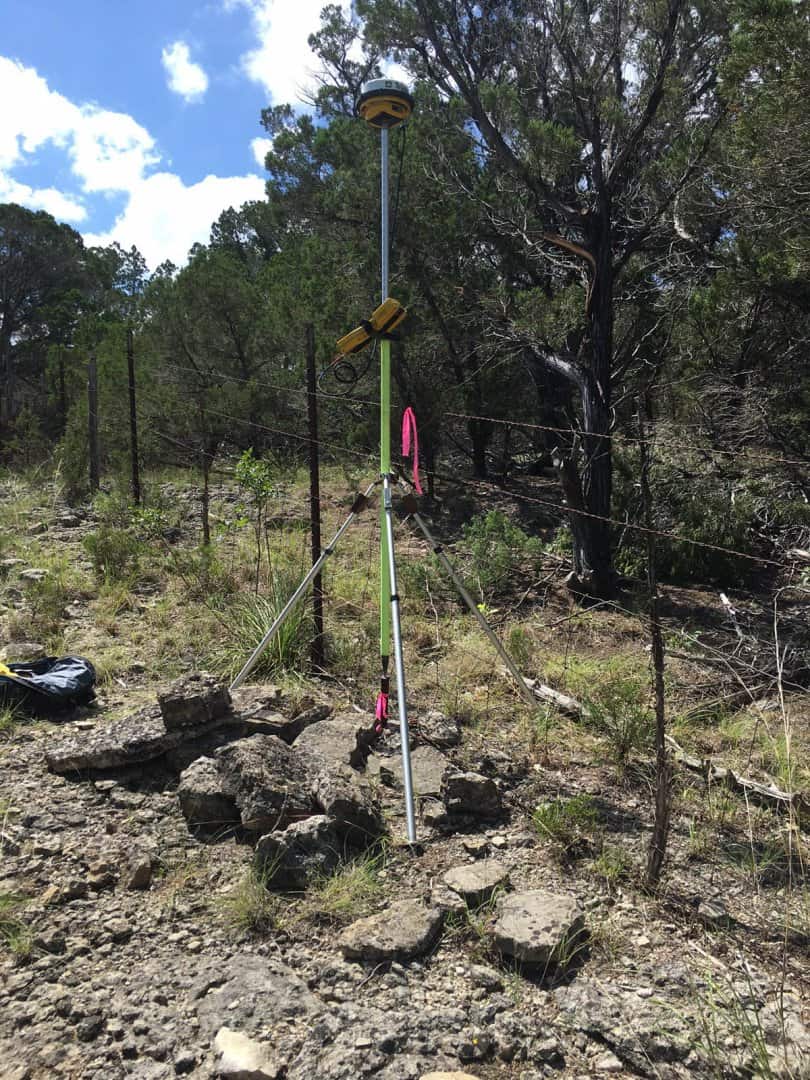
I'm working on a survey of a ranch where at least four of the boundary markers are splined steel shafts made out of a high-strength alloy steel of the sort that you'd expect axles or some other part of an auto drivetrain to be made of. They all appear to be identical in design, i.e. 1.25" dia. nominally with 20 splines and machined center. The high-strength steel is my inference from the general absence of any deformation from driving the things with what probably was one big, ole sledge hammer. I didn't donate a center punch to the metallurgy gods by trying to see if I could add a center to one that didn't have one since my estimate was that the punch would have lost that tussle.
The other clues are that the ground is so rocky that I tend to doubt that the thing is much longer than 16 or 18 inches. Most of the things are about 9 - 10 inches up and it seems unlikely that much more than that is below grade. A couple show the marks of a cutting torch on their exposed end, which probably just means this came from a scrap yard that was selling axles and similar things to surveyors for use as markers.
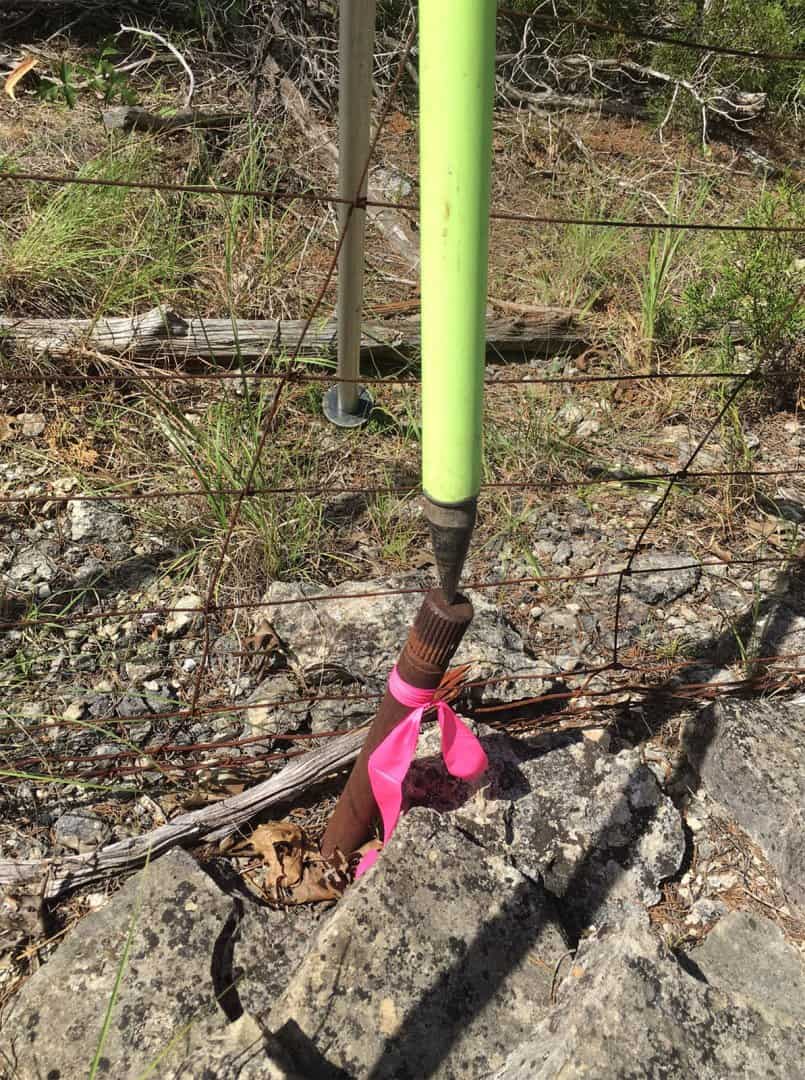
Any ideas about what this probably is?
Posted : June 11, 2017 6:48 pm

Translate
▼
English
Spanish
French
German
Italian
Portuguese
Russian
Chinese
Japanese
Korean
Arabic
Hindi
Dutch
Polish
Turkish
Vietnamese
Thai
Swedish
Danish
Finnish
Norwegian
Czech
Hungarian
Romanian
Greek
Hebrew
Indonesian
Malay
Ukrainian
Bulgarian
Croatian
Slovak
Slovenian
Serbian
Lithuanian
Latvian
Estonian
Looks to me to be a rear axle for a (probably) light truck or older auto...maybe of the Ford variety.
'63 Ford F-100 differential guts:
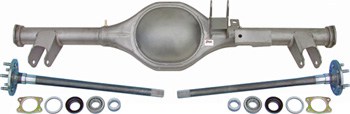
ps - most axles mfg. by DANA are 1.5" diameter with 35 splines. 1.25" dia. is small for anything after 1960 or so. Some 4x4 trucks have 1.4" axles on the front. 20 splines makes me think you're approaching antiquedom.
edit: DANA mfg, a Model 44 with 19 splines and a 1.3" diameter shaft.
Posted : June 11, 2017 7:28 pm
Topic starter
Translate
▼
English
Spanish
French
German
Italian
Portuguese
Russian
Chinese
Japanese
Korean
Arabic
Hindi
Dutch
Polish
Turkish
Vietnamese
Thai
Swedish
Danish
Finnish
Norwegian
Czech
Hungarian
Romanian
Greek
Hebrew
Indonesian
Malay
Ukrainian
Bulgarian
Croatian
Slovak
Slovenian
Serbian
Lithuanian
Latvian
Estonian
paden cash, post: 432080, member: 20 wrote: 20 splines makes me think you're approaching antiquedom.
I think it's a safe bet that whatever it is was manufactured before 1963, but I'm still working on narrowing the time window when the things were set.
Posted : June 11, 2017 7:37 pm
Translate
▼
English
Spanish
French
German
Italian
Portuguese
Russian
Chinese
Japanese
Korean
Arabic
Hindi
Dutch
Polish
Turkish
Vietnamese
Thai
Swedish
Danish
Finnish
Norwegian
Czech
Hungarian
Romanian
Greek
Hebrew
Indonesian
Malay
Ukrainian
Bulgarian
Croatian
Slovak
Slovenian
Serbian
Lithuanian
Latvian
Estonian
Kent McMillan, post: 432082, member: 3 wrote: I think it's a safe bet that whatever it is was manufactured before 1963, but I'm still working on narrowing the time window when the things were set.
That could be tough. Some axles have been mfg. and used on various platforms for years. Identifying the actual application would probably require a length and what the other end looks like (if it's still there).
Cut through it and count the rings....;)
Posted : June 11, 2017 7:45 pm

Translate
▼
English
Spanish
French
German
Italian
Portuguese
Russian
Chinese
Japanese
Korean
Arabic
Hindi
Dutch
Polish
Turkish
Vietnamese
Thai
Swedish
Danish
Finnish
Norwegian
Czech
Hungarian
Romanian
Greek
Hebrew
Indonesian
Malay
Ukrainian
Bulgarian
Croatian
Slovak
Slovenian
Serbian
Lithuanian
Latvian
Estonian
PTO shaft
Posted : June 11, 2017 7:47 pm
Topic starter
Translate
▼
English
Spanish
French
German
Italian
Portuguese
Russian
Chinese
Japanese
Korean
Arabic
Hindi
Dutch
Polish
Turkish
Vietnamese
Thai
Swedish
Danish
Finnish
Norwegian
Czech
Hungarian
Romanian
Greek
Hebrew
Indonesian
Malay
Ukrainian
Bulgarian
Croatian
Slovak
Slovenian
Serbian
Lithuanian
Latvian
Estonian
R.J. Schneider, post: 432085, member: 409 wrote: PTO shaft
I thought about a PTO shaft, but wondered how many of those would have ended up in the scrap yard.
Posted : June 11, 2017 7:58 pm
Translate
▼
English
Spanish
French
German
Italian
Portuguese
Russian
Chinese
Japanese
Korean
Arabic
Hindi
Dutch
Polish
Turkish
Vietnamese
Thai
Swedish
Danish
Finnish
Norwegian
Czech
Hungarian
Romanian
Greek
Hebrew
Indonesian
Malay
Ukrainian
Bulgarian
Croatian
Slovak
Slovenian
Serbian
Lithuanian
Latvian
Estonian
Kent McMillan, post: 432089, member: 3 wrote: I thought about a PTO shaft, but wondered how many of those would have ended up in the scrap yard.
PTO shafts generally have the larger square keyway splines. My bet is that is that is an axle. Pre-war axles had shorter splines than post WWII due to improvements made in differential design. That appears to maybe be post WWII. It's tough to say. I can't find a mfg. that actually cast any numbers on their axles either.
Posted : June 11, 2017 8:03 pm
Topic starter
Translate
▼
English
Spanish
French
German
Italian
Portuguese
Russian
Chinese
Japanese
Korean
Arabic
Hindi
Dutch
Polish
Turkish
Vietnamese
Thai
Swedish
Danish
Finnish
Norwegian
Czech
Hungarian
Romanian
Greek
Hebrew
Indonesian
Malay
Ukrainian
Bulgarian
Croatian
Slovak
Slovenian
Serbian
Lithuanian
Latvian
Estonian
paden cash, post: 432092, member: 20 wrote: PTO shafts generally have the larger square keyway splines. My bet is that is that is an axle. Pre-war axles had shorter splines than post WWII due to improvements made in differential design. That appears to maybe be post WWII. It's tough to say. I can't find a mfg. that actually cast any numbers on their axles either.
I didn't see anything on the shaft below the splines other than one machined groove that might have taken a circlip to hold anything onto the splined end. Is that consistent with a truck axle?
Posted : June 11, 2017 8:18 pm
Translate
▼
English
Spanish
French
German
Italian
Portuguese
Russian
Chinese
Japanese
Korean
Arabic
Hindi
Dutch
Polish
Turkish
Vietnamese
Thai
Swedish
Danish
Finnish
Norwegian
Czech
Hungarian
Romanian
Greek
Hebrew
Indonesian
Malay
Ukrainian
Bulgarian
Croatian
Slovak
Slovenian
Serbian
Lithuanian
Latvian
Estonian
paden cash, post: 432092, member: 20 wrote: PTO shafts generally have the larger square keyway splines.
Don't think I've ever noticed. How about an RPM to PTO shaft ? .... ??
Posted : June 11, 2017 8:27 pm

Translate
▼
English
Spanish
French
German
Italian
Portuguese
Russian
Chinese
Japanese
Korean
Arabic
Hindi
Dutch
Polish
Turkish
Vietnamese
Thai
Swedish
Danish
Finnish
Norwegian
Czech
Hungarian
Romanian
Greek
Hebrew
Indonesian
Malay
Ukrainian
Bulgarian
Croatian
Slovak
Slovenian
Serbian
Lithuanian
Latvian
Estonian
I googled truck axle spline.

Posted : June 11, 2017 8:48 pm
Translate
▼
English
Spanish
French
German
Italian
Portuguese
Russian
Chinese
Japanese
Korean
Arabic
Hindi
Dutch
Polish
Turkish
Vietnamese
Thai
Swedish
Danish
Finnish
Norwegian
Czech
Hungarian
Romanian
Greek
Hebrew
Indonesian
Malay
Ukrainian
Bulgarian
Croatian
Slovak
Slovenian
Serbian
Lithuanian
Latvian
Estonian
Kent McMillan, post: 432094, member: 3 wrote: I didn't see anything on the shaft below the splines other than one machined groove that might have taken a circlip to hold anything onto the splined end. Is that consistent with a truck axle?
Probably the galley for a 'keeper clip'. Both truck and car differentials utilized them. They keep the axle from sliding completely out of the housing.
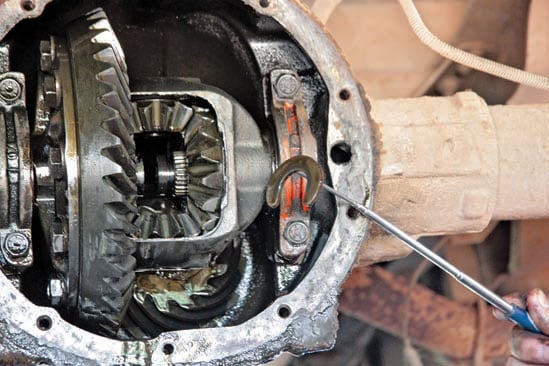
To me that's another clue you're looking at something post-1945.
ps - this is off a Chevy, I believe.
Posted : June 11, 2017 9:00 pm

Translate
▼
English
Spanish
French
German
Italian
Portuguese
Russian
Chinese
Japanese
Korean
Arabic
Hindi
Dutch
Polish
Turkish
Vietnamese
Thai
Swedish
Danish
Finnish
Norwegian
Czech
Hungarian
Romanian
Greek
Hebrew
Indonesian
Malay
Ukrainian
Bulgarian
Croatian
Slovak
Slovenian
Serbian
Lithuanian
Latvian
Estonian
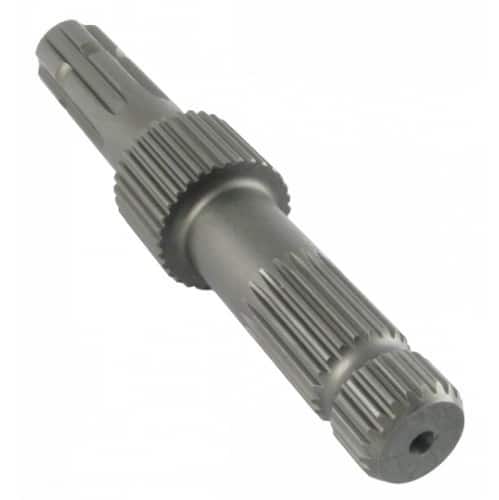
Not a 1000 rpm pto shaft. It would have a groove around it with splines on either side of the groove for a sliding pin to lock the equipment shaft onto.
Posted : June 11, 2017 9:16 pm
Translate
▼
English
Spanish
French
German
Italian
Portuguese
Russian
Chinese
Japanese
Korean
Arabic
Hindi
Dutch
Polish
Turkish
Vietnamese
Thai
Swedish
Danish
Finnish
Norwegian
Czech
Hungarian
Romanian
Greek
Hebrew
Indonesian
Malay
Ukrainian
Bulgarian
Croatian
Slovak
Slovenian
Serbian
Lithuanian
Latvian
Estonian
Kent McMillan, post: 432089, member: 3 wrote: I thought about a PTO shaft, but wondered how many of those would have ended up in the scrap yard.
Ford tractors had a 20 spline PTO shaft similar to what you're photoing. Not sure of the diameters. Looks like they ran from the 5000 model up to a 7300 model
Posted : June 11, 2017 9:19 pm

Translate
▼
English
Spanish
French
German
Italian
Portuguese
Russian
Chinese
Japanese
Korean
Arabic
Hindi
Dutch
Polish
Turkish
Vietnamese
Thai
Swedish
Danish
Finnish
Norwegian
Czech
Hungarian
Romanian
Greek
Hebrew
Indonesian
Malay
Ukrainian
Bulgarian
Croatian
Slovak
Slovenian
Serbian
Lithuanian
Latvian
Estonian
I'll bet those axle shafts replaced the original pile of rocks still scattered around.
Posted : June 11, 2017 9:19 pm
Topic starter
Translate
▼
English
Spanish
French
German
Italian
Portuguese
Russian
Chinese
Japanese
Korean
Arabic
Hindi
Dutch
Polish
Turkish
Vietnamese
Thai
Swedish
Danish
Finnish
Norwegian
Czech
Hungarian
Romanian
Greek
Hebrew
Indonesian
Malay
Ukrainian
Bulgarian
Croatian
Slovak
Slovenian
Serbian
Lithuanian
Latvian
Estonian
Jim Connelley, post: 432102, member: 12008 wrote: I'll bet those axle shafts replaced the original pile of rocks still scattered around.
I think that's a safe bet. The Rock Mounds probably date from 1915 when the land was originally surveyed for purchase from the State of Texas. That particular one in the photo above is the least intact, but they all have at least 20 8-inch and larger rocks in them, which is more consistent with a mound having been built to mark the corner. The steel shafts were almost certainly driven into the center of the mound as found later by some subsequent surveyor to give the corner an exact location.
Posted : June 11, 2017 9:32 pm

Translate
▼
English
Spanish
French
German
Italian
Portuguese
Russian
Chinese
Japanese
Korean
Arabic
Hindi
Dutch
Polish
Turkish
Vietnamese
Thai
Swedish
Danish
Finnish
Norwegian
Czech
Hungarian
Romanian
Greek
Hebrew
Indonesian
Malay
Ukrainian
Bulgarian
Croatian
Slovak
Slovenian
Serbian
Lithuanian
Latvian
Estonian
Im a gear head. Those are definatly axle shafts from a truck or car. Higher splines suggest stronger axle and more recent manufacture. Judging by the rust and being 20 spline id say its likely from a 50's to late 80's vehicle. Could be older than that or newer. Im not suggesting that you counted wrong, but if they happen to be 19 spline 1.30" shafts they would almost without a doubt be from a Dana 44 rear axle in Jeep and Ford vehicles. The Dana 44 axle was extremely popular, and still is. It has been produced for lots of companies since the 40's till now. If they are 19 spline 1.30" shafts that would put the manufacture precisely between 1948 and 1973.
Posted : June 11, 2017 9:33 pm
Topic starter
Translate
▼
English
Spanish
French
German
Italian
Portuguese
Russian
Chinese
Japanese
Korean
Arabic
Hindi
Dutch
Polish
Turkish
Vietnamese
Thai
Swedish
Danish
Finnish
Norwegian
Czech
Hungarian
Romanian
Greek
Hebrew
Indonesian
Malay
Ukrainian
Bulgarian
Croatian
Slovak
Slovenian
Serbian
Lithuanian
Latvian
Estonian
Here, for example, are a couple of the other Axles in what I take to probably be the remains of the 1915 surveyor's rock mounds. My tentative hypothesis at the moment is that the axles were added in the early 1950s when the ranch changed ownership.
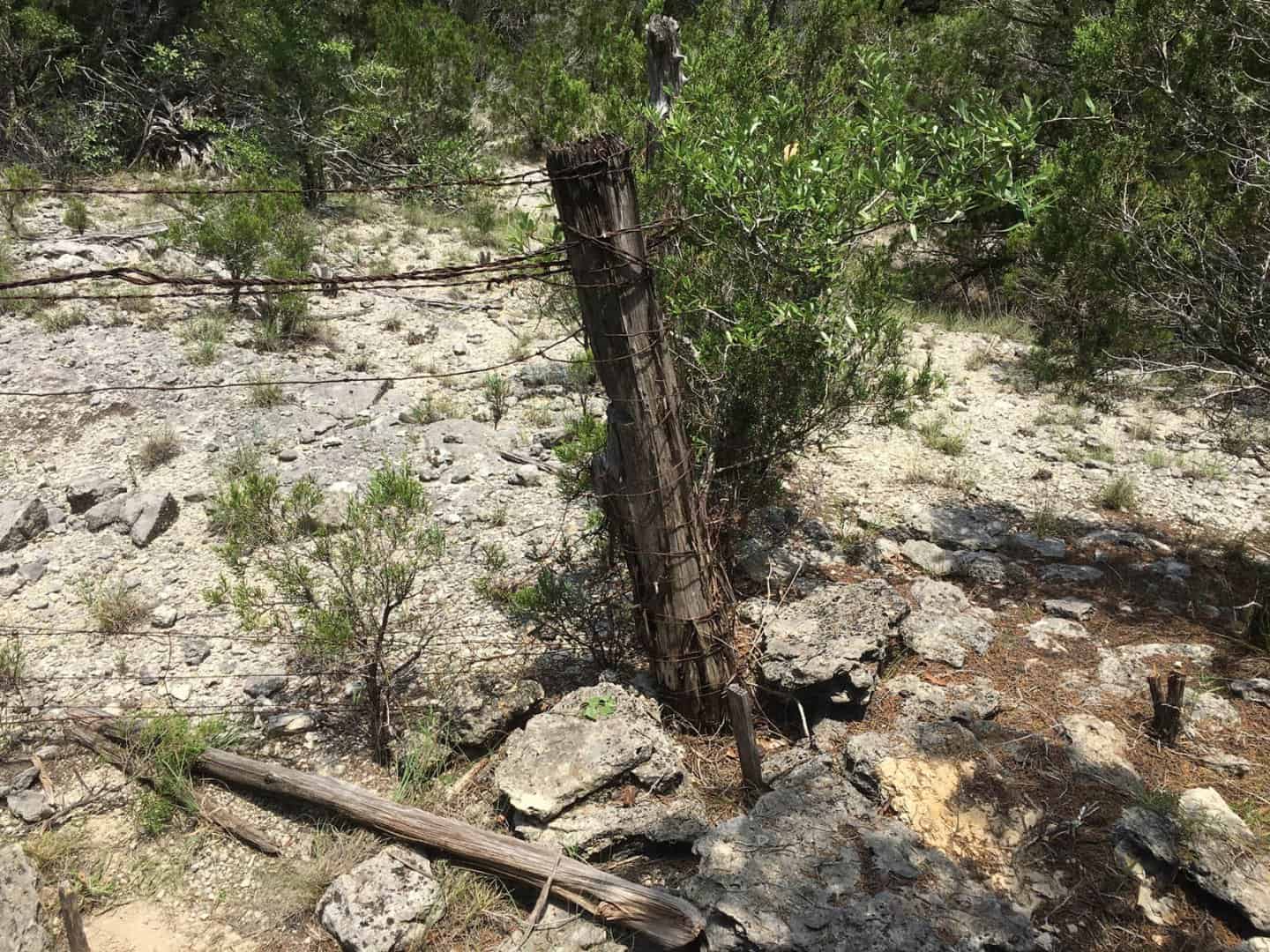
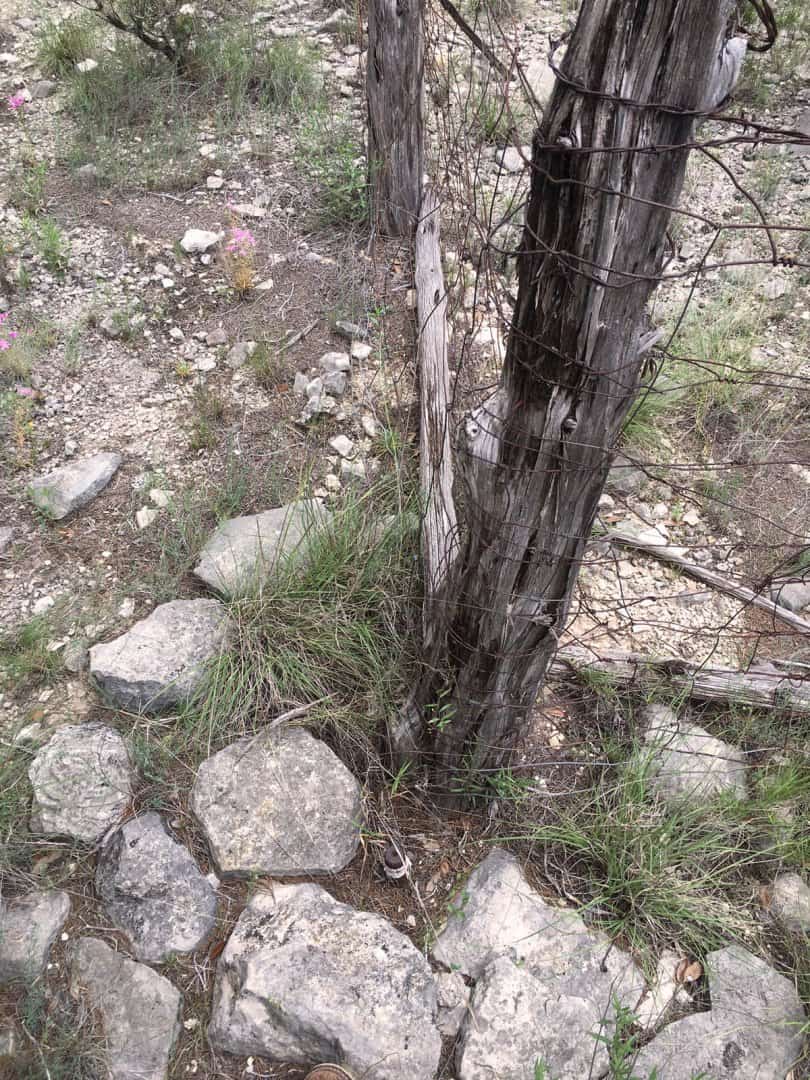
What those photos show, I think, are several generations of the corner. The rock mounds marked the original corners and those were perpetuated and given an exact location by driving the axles into the centers of the mounds. Afterwards, the fence builders arrived and set corner posts from about 0.7 ft. to 2.0 ft. from the axles in the mounds. Those will, of course, be the "established corners" of the future should the axles become difficult to find.
Posted : June 11, 2017 9:48 pm
Topic starter
Translate
▼
English
Spanish
French
German
Italian
Portuguese
Russian
Chinese
Japanese
Korean
Arabic
Hindi
Dutch
Polish
Turkish
Vietnamese
Thai
Swedish
Danish
Finnish
Norwegian
Czech
Hungarian
Romanian
Greek
Hebrew
Indonesian
Malay
Ukrainian
Bulgarian
Croatian
Slovak
Slovenian
Serbian
Lithuanian
Latvian
Estonian
paden cash, post: 432098, member: 20 wrote: Probably the galley for a 'keeper clip'. Both truck and car differentials utilized them. They keep the axle from sliding completely out of the housing.
To me that's another clue you're looking at something post-1945.
ps - this is off a Chevy, I believe.
Considering that I think a cutting torch was used to cut the axles to survey marker lengths, I'll bet that if one were to inspect the bases of those things, he'd find that the same cutting torch was used to put a point on the pieces that the scrap yard sold to the surveyor. That was probably the "iron stake for rocky ground". I've seen some iron pipes that a blacksmith forged points on for roughly the same purpose, but I'll bet high-strength allow axle steel works a lot better.
Posted : June 11, 2017 9:53 pm
Topic starter
Translate
▼
English
Spanish
French
German
Italian
Portuguese
Russian
Chinese
Japanese
Korean
Arabic
Hindi
Dutch
Polish
Turkish
Vietnamese
Thai
Swedish
Danish
Finnish
Norwegian
Czech
Hungarian
Romanian
Greek
Hebrew
Indonesian
Malay
Ukrainian
Bulgarian
Croatian
Slovak
Slovenian
Serbian
Lithuanian
Latvian
Estonian
jsavage977, post: 432104, member: 9464 wrote: Im a gear head. Those are definatly axle shafts from a truck or car. Higher splines suggest stronger axle and more recent manufacture. Judging by the rust and being 20 spline id say its likely from a 50's to late 80's vehicle. Could be older than that or newer. Im not suggesting that you counted wrong, but if they happen to be 19 spline 1.30" shafts they would almost without a doubt be from a Dana 44 rear axle in Jeep and Ford vehicles. The Dana 44 axle was extremely popular, and still is. It has been produced for lots of companies since the 40's till now. If they are 19 spline 1.30" shafts that would put the manufacture precisely between 1948 and 1973.
I'm fairly sure that there were 20 splines on the axles. The diameter could have been 1.30" instead of 1.25", though. I wonder what a WWII-vintage Jeep rear axle looks like. Right now, my working assumption is that when I track down the (private) record of the survey. it will turn out to date from the 1950s.
Posted : June 11, 2017 10:00 pm
Topic starter
Translate
▼
English
Spanish
French
German
Italian
Portuguese
Russian
Chinese
Japanese
Korean
Arabic
Hindi
Dutch
Polish
Turkish
Vietnamese
Thai
Swedish
Danish
Finnish
Norwegian
Czech
Hungarian
Romanian
Greek
Hebrew
Indonesian
Malay
Ukrainian
Bulgarian
Croatian
Slovak
Slovenian
Serbian
Lithuanian
Latvian
Estonian
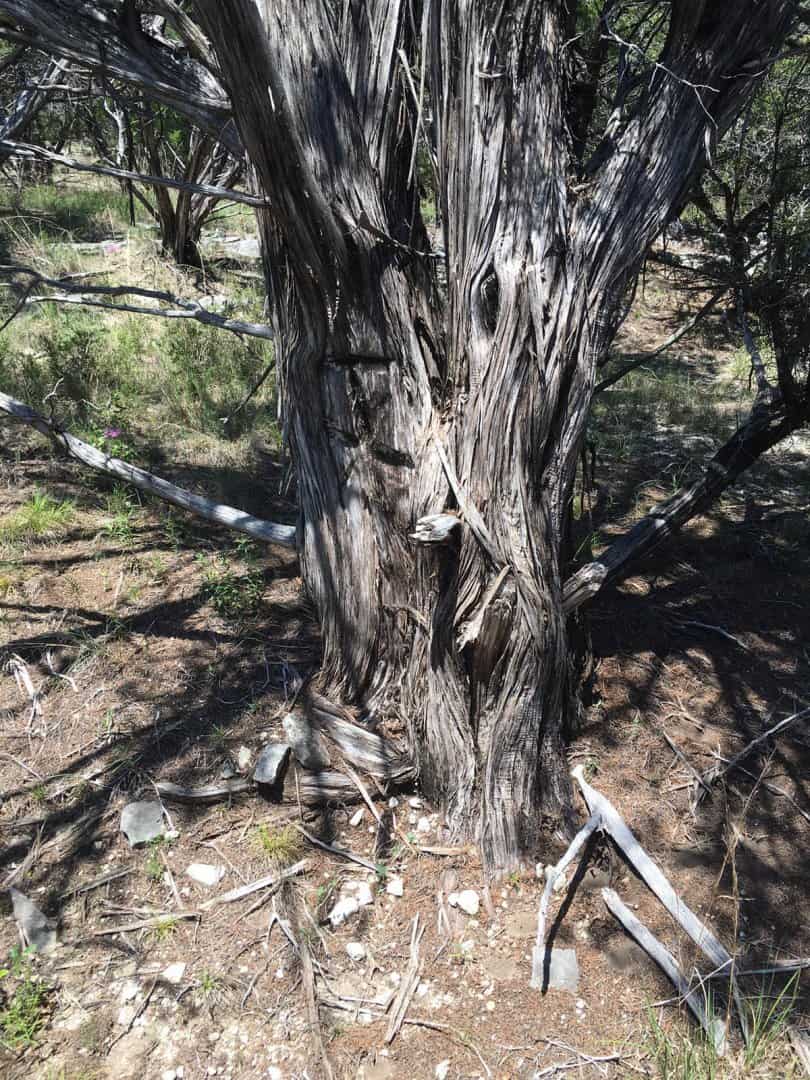
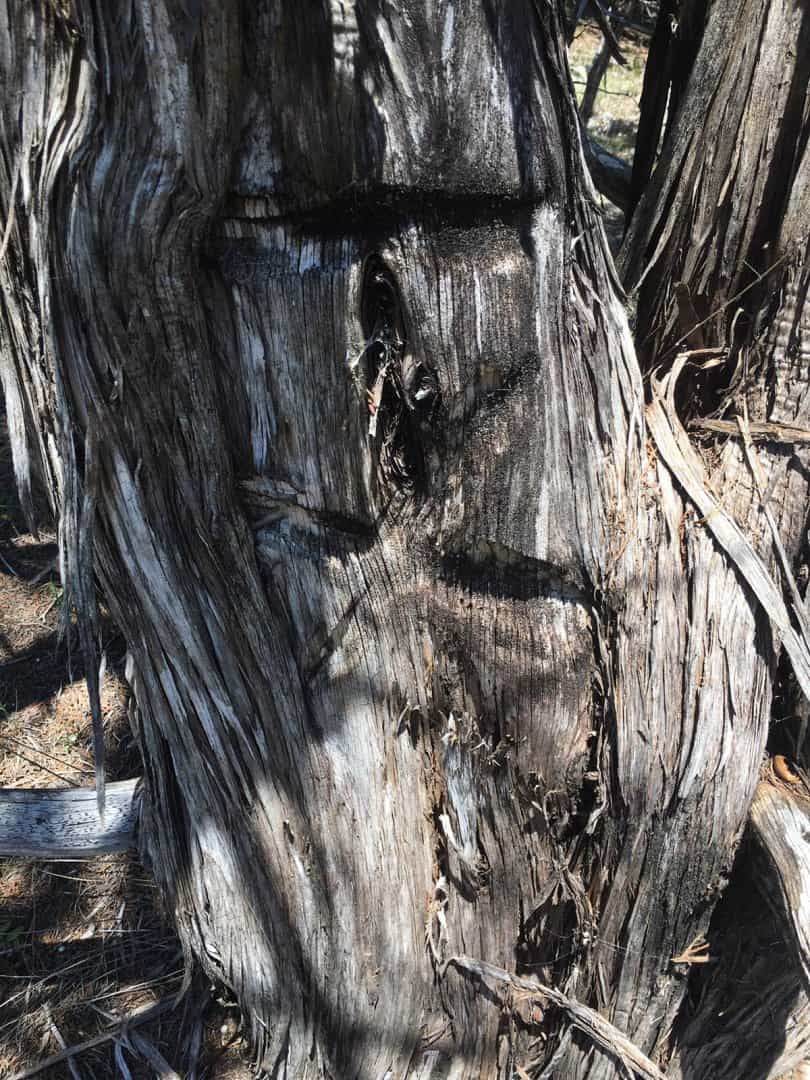
One of the corners had a Cedar (Ashe Juniper) with an old mark cut into it on the side facing the corner that, although not mentioned in any of the records of the original surveys, was almost certainly marked for a bearing tree by some later surveyor. Just from examining the mark and the tree that it was cut into, my guess would be that it was probably marked by the same surveyor who drove the axles into the rock mounds. In Central Texas, different surveyors tended to use their own distinctive marks and this one, the mark "X" with bar above it is exactly how one firm in practice in the county at the time would have marked a bearing tree. Fortunately, their records still exist and are fairly accessible.
Posted : June 11, 2017 10:19 pm
Page 1 / 2
Next