Reading RPLS is free for the whole profession. Members post, reply, and get the members-only rooms.

Notifications
Clear all
Strictly Surveying
31
Posts
15
Users
0
Reactions
715
Views

Topic starter
Translate
▼
English
Spanish
French
German
Italian
Portuguese
Russian
Chinese
Japanese
Korean
Arabic
Hindi
Dutch
Polish
Turkish
Vietnamese
Thai
Swedish
Danish
Finnish
Norwegian
Czech
Hungarian
Romanian
Greek
Hebrew
Indonesian
Malay
Ukrainian
Bulgarian
Croatian
Slovak
Slovenian
Serbian
Lithuanian
Latvian
Estonian
I want the BEST GPS money can buy.
Bring your tools, and lets find out.
Go and meet at a state park, at the pavilion, and let's find out.
I have been trying to figure out a GOOD test.
Post or tell me your ideas, and lets try it.
How about tying a piece of string, (construction string) between some trees, and using a box tape for distance? Set the 2 units up side by side. Maybe a foot or two apart. (For a similar environment) Use plumb bob, and nails, to get them quite close. And, try it out.
I'll bring a laptop, and we can look at the results.
Nate
Posted : November 18, 2016 11:43 am

Translate
▼
English
Spanish
French
German
Italian
Portuguese
Russian
Chinese
Japanese
Korean
Arabic
Hindi
Dutch
Polish
Turkish
Vietnamese
Thai
Swedish
Danish
Finnish
Norwegian
Czech
Hungarian
Romanian
Greek
Hebrew
Indonesian
Malay
Ukrainian
Bulgarian
Croatian
Slovak
Slovenian
Serbian
Lithuanian
Latvian
Estonian
Setting 2 antennae that close will degrade the results of both...
Posted : November 18, 2016 12:05 pm
Topic starter
Translate
▼
English
Spanish
French
German
Italian
Portuguese
Russian
Chinese
Japanese
Korean
Arabic
Hindi
Dutch
Polish
Turkish
Vietnamese
Thai
Swedish
Danish
Finnish
Norwegian
Czech
Hungarian
Romanian
Greek
Hebrew
Indonesian
Malay
Ukrainian
Bulgarian
Croatian
Slovak
Slovenian
Serbian
Lithuanian
Latvian
Estonian
OK... bionic, how far apart will prevent this?
We should be able to set them up at 4' apart?
N
Posted : November 18, 2016 12:07 pm

Translate
▼
English
Spanish
French
German
Italian
Portuguese
Russian
Chinese
Japanese
Korean
Arabic
Hindi
Dutch
Polish
Turkish
Vietnamese
Thai
Swedish
Danish
Finnish
Norwegian
Czech
Hungarian
Romanian
Greek
Hebrew
Indonesian
Malay
Ukrainian
Bulgarian
Croatian
Slovak
Slovenian
Serbian
Lithuanian
Latvian
Estonian
thebionicman, post: 400235, member: 8136 wrote: Setting 2 antennae that close will degrade the results of both...
Why? If it's rtk over a UHF radio I could see how, but not based solely on GPS signal reception.
Sent from my SAMSUNG-SM-N920A using Tapatalk
Posted : November 18, 2016 12:09 pm
Translate
▼
English
Spanish
French
German
Italian
Portuguese
Russian
Chinese
Japanese
Korean
Arabic
Hindi
Dutch
Polish
Turkish
Vietnamese
Thai
Swedish
Danish
Finnish
Norwegian
Czech
Hungarian
Romanian
Greek
Hebrew
Indonesian
Malay
Ukrainian
Bulgarian
Croatian
Slovak
Slovenian
Serbian
Lithuanian
Latvian
Estonian
I think there are tons of factors that would make a GPS the best money can buy. Different units will perform better in different environments. What are the units you're considering?
Sent from my SAMSUNG-SM-N920A using Tapatalk
Posted : November 18, 2016 12:14 pm

Translate
▼
English
Spanish
French
German
Italian
Portuguese
Russian
Chinese
Japanese
Korean
Arabic
Hindi
Dutch
Polish
Turkish
Vietnamese
Thai
Swedish
Danish
Finnish
Norwegian
Czech
Hungarian
Romanian
Greek
Hebrew
Indonesian
Malay
Ukrainian
Bulgarian
Croatian
Slovak
Slovenian
Serbian
Lithuanian
Latvian
Estonian
[SARCASM] Let's not and say we did[/SARCASM]
Posted : November 18, 2016 12:23 pm
Translate
▼
English
Spanish
French
German
Italian
Portuguese
Russian
Chinese
Japanese
Korean
Arabic
Hindi
Dutch
Polish
Turkish
Vietnamese
Thai
Swedish
Danish
Finnish
Norwegian
Czech
Hungarian
Romanian
Greek
Hebrew
Indonesian
Malay
Ukrainian
Bulgarian
Croatian
Slovak
Slovenian
Serbian
Lithuanian
Latvian
Estonian
Putting electronics that close can effect the phase center location. I experimented with a few devices and was surprised. My Eagle Explorer thrashed my Trimble static files at about 3 feet...
Posted : November 18, 2016 12:37 pm
Topic starter
Translate
▼
English
Spanish
French
German
Italian
Portuguese
Russian
Chinese
Japanese
Korean
Arabic
Hindi
Dutch
Polish
Turkish
Vietnamese
Thai
Swedish
Danish
Finnish
Norwegian
Czech
Hungarian
Romanian
Greek
Hebrew
Indonesian
Malay
Ukrainian
Bulgarian
Croatian
Slovak
Slovenian
Serbian
Lithuanian
Latvian
Estonian
I'll keep an eye out for that, Bionic.
It would seem to me, that ALL GPS give off a little rf. So, this is probably a factor, of varying degrees.
A battery short, would be very noisy.
[USER=11740]@Jweiss[/USER] bring what you've got. We are not trying to pick on anybody.
N
Posted : November 18, 2016 12:58 pm
Translate
▼
English
Spanish
French
German
Italian
Portuguese
Russian
Chinese
Japanese
Korean
Arabic
Hindi
Dutch
Polish
Turkish
Vietnamese
Thai
Swedish
Danish
Finnish
Norwegian
Czech
Hungarian
Romanian
Greek
Hebrew
Indonesian
Malay
Ukrainian
Bulgarian
Croatian
Slovak
Slovenian
Serbian
Lithuanian
Latvian
Estonian
Nate The Surveyor, post: 400246, member: 291 wrote: I'll keep an eye out for that, Bionic.
It would seem to me, that ALL GPS give off a little rf. So, this is probably a factor, of varying degrees.
A battery short, would be very noisy.
[USER=11740]@Jweiss[/USER] bring what you've got. We are not trying to pick on anybody.N
I can see the effect those would have. Similar to the bad results I've gotten from control set right next to a traffic control cabinet.
Sent from my SAMSUNG-SM-N920A using Tapatalk
Posted : November 18, 2016 1:41 pm

Translate
▼
English
Spanish
French
German
Italian
Portuguese
Russian
Chinese
Japanese
Korean
Arabic
Hindi
Dutch
Polish
Turkish
Vietnamese
Thai
Swedish
Danish
Finnish
Norwegian
Czech
Hungarian
Romanian
Greek
Hebrew
Indonesian
Malay
Ukrainian
Bulgarian
Croatian
Slovak
Slovenian
Serbian
Lithuanian
Latvian
Estonian
I've tested a lot of receivers within a foot of each other. I've never seen any issues from interference.
A traffic control cabinet I'm sure is producing some interference from the high voltage that must be running through it. A GNSS receiver wouldn't have nearly that sort of issue.
Posted : November 18, 2016 2:13 pm

Translate
▼
English
Spanish
French
German
Italian
Portuguese
Russian
Chinese
Japanese
Korean
Arabic
Hindi
Dutch
Polish
Turkish
Vietnamese
Thai
Swedish
Danish
Finnish
Norwegian
Czech
Hungarian
Romanian
Greek
Hebrew
Indonesian
Malay
Ukrainian
Bulgarian
Croatian
Slovak
Slovenian
Serbian
Lithuanian
Latvian
Estonian
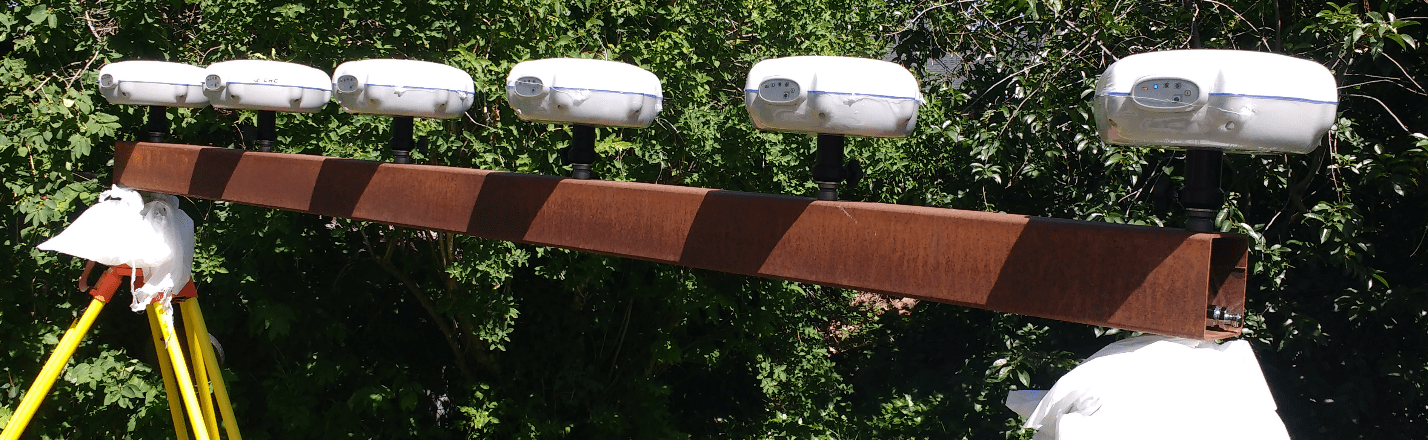
I'll take your five and raise you one.
Posted : November 18, 2016 5:35 pm
Translate
▼
English
Spanish
French
German
Italian
Portuguese
Russian
Chinese
Japanese
Korean
Arabic
Hindi
Dutch
Polish
Turkish
Vietnamese
Thai
Swedish
Danish
Finnish
Norwegian
Czech
Hungarian
Romanian
Greek
Hebrew
Indonesian
Malay
Ukrainian
Bulgarian
Croatian
Slovak
Slovenian
Serbian
Lithuanian
Latvian
Estonian
So, six high precision Chinese receivers go to a bar and...
Posted : November 18, 2016 5:38 pm

Translate
▼
English
Spanish
French
German
Italian
Portuguese
Russian
Chinese
Japanese
Korean
Arabic
Hindi
Dutch
Polish
Turkish
Vietnamese
Thai
Swedish
Danish
Finnish
Norwegian
Czech
Hungarian
Romanian
Greek
Hebrew
Indonesian
Malay
Ukrainian
Bulgarian
Croatian
Slovak
Slovenian
Serbian
Lithuanian
Latvian
Estonian
Shawn Billings, post: 400286, member: 6521 wrote: So, six high precision Chinese receivers go to a bar and...
Order Guinness and a shot of Jameson...
:dizzy:
Posted : November 18, 2016 6:06 pm

Translate
▼
English
Spanish
French
German
Italian
Portuguese
Russian
Chinese
Japanese
Korean
Arabic
Hindi
Dutch
Polish
Turkish
Vietnamese
Thai
Swedish
Danish
Finnish
Norwegian
Czech
Hungarian
Romanian
Greek
Hebrew
Indonesian
Malay
Ukrainian
Bulgarian
Croatian
Slovak
Slovenian
Serbian
Lithuanian
Latvian
Estonian
Is there a test similar to this which is called a zero baseline test where they test the accuracy of the receiver?
Posted : November 18, 2016 6:15 pm
Translate
▼
English
Spanish
French
German
Italian
Portuguese
Russian
Chinese
Japanese
Korean
Arabic
Hindi
Dutch
Polish
Turkish
Vietnamese
Thai
Swedish
Danish
Finnish
Norwegian
Czech
Hungarian
Romanian
Greek
Hebrew
Indonesian
Malay
Ukrainian
Bulgarian
Croatian
Slovak
Slovenian
Serbian
Lithuanian
Latvian
Estonian
sireath, post: 400292, member: 9370 wrote: Is there a test similar to this which is called a zero baseline test where they test the accuracy of the receiver?
Yes,
As I recall it involves an Antenna "splitter" and two Receivers.
This (or used to be) a CORS in Southern California that had/has 1 Antenna and 2 receivers. There were 2 DIFFERENT positions published fro the same ARP (CLOSE but not identical).
Loyal
Posted : November 18, 2016 6:31 pm
Topic starter
Translate
▼
English
Spanish
French
German
Italian
Portuguese
Russian
Chinese
Japanese
Korean
Arabic
Hindi
Dutch
Polish
Turkish
Vietnamese
Thai
Swedish
Danish
Finnish
Norwegian
Czech
Hungarian
Romanian
Greek
Hebrew
Indonesian
Malay
Ukrainian
Bulgarian
Croatian
Slovak
Slovenian
Serbian
Lithuanian
Latvian
Estonian
Well, I'm an "in the dirt" surveyor.
Check the EDM and prism offsets with a box tape, shooting a target 10' away.
Check the GPS in similar fashion.
N
Posted : November 18, 2016 8:19 pm

Translate
▼
English
Spanish
French
German
Italian
Portuguese
Russian
Chinese
Japanese
Korean
Arabic
Hindi
Dutch
Polish
Turkish
Vietnamese
Thai
Swedish
Danish
Finnish
Norwegian
Czech
Hungarian
Romanian
Greek
Hebrew
Indonesian
Malay
Ukrainian
Bulgarian
Croatian
Slovak
Slovenian
Serbian
Lithuanian
Latvian
Estonian
What you want is a signal splitter. I happen to have a 3 way splitter and a 5 way splitter, however I have never used more thn 2 receivers at a time. I have found out that a ProMark 2 with 2 AA batteries can send enough power to n L1//L2 Ashtech Whopper antenna.
In using a signal splitter you need to add DC blockers or have them internal to the signal splitter so the antenna only gets power from one receiver source. What you in fact want to do is called a zero baseline.
Paul in PA
Posted : November 18, 2016 9:53 pm

Translate
▼
English
Spanish
French
German
Italian
Portuguese
Russian
Chinese
Japanese
Korean
Arabic
Hindi
Dutch
Polish
Turkish
Vietnamese
Thai
Swedish
Danish
Finnish
Norwegian
Czech
Hungarian
Romanian
Greek
Hebrew
Indonesian
Malay
Ukrainian
Bulgarian
Croatian
Slovak
Slovenian
Serbian
Lithuanian
Latvian
Estonian
Nate in the old days FGCS (Federal Geodetic Control Subcommittee) did test on GPS Receivers. This was done using base-line points and points that were part of the TCT (Trans Continental Traverse ). Go to:
www.ngs.noaa.gov/FGCS/instruments/reports/leica/1992-GPS200/index.html
This will give you some idea how to test GPS equipment. The same idea can be used today.
JOHN NOLTON
Posted : November 18, 2016 10:26 pm

Translate
▼
English
Spanish
French
German
Italian
Portuguese
Russian
Chinese
Japanese
Korean
Arabic
Hindi
Dutch
Polish
Turkish
Vietnamese
Thai
Swedish
Danish
Finnish
Norwegian
Czech
Hungarian
Romanian
Greek
Hebrew
Indonesian
Malay
Ukrainian
Bulgarian
Croatian
Slovak
Slovenian
Serbian
Lithuanian
Latvian
Estonian
A fix for John Nolton's link. You added an "L" at the end, John. Hope all is well with you!
http://www.ngs.noaa.gov/FGCS/instruments/reports/leica/1992-GPS200/index.htm
Posted : November 18, 2016 10:38 pm
Translate
▼
English
Spanish
French
German
Italian
Portuguese
Russian
Chinese
Japanese
Korean
Arabic
Hindi
Dutch
Polish
Turkish
Vietnamese
Thai
Swedish
Danish
Finnish
Norwegian
Czech
Hungarian
Romanian
Greek
Hebrew
Indonesian
Malay
Ukrainian
Bulgarian
Croatian
Slovak
Slovenian
Serbian
Lithuanian
Latvian
Estonian
Gene Kooper, thanks for the correction. All is OK and thank you for that too.
JOHN NOLTON
Posted : November 18, 2016 10:43 pm
Page 1 / 2
Next